The Genesis of Rock: From Early Pioneers to Global Phenomenon
Rock music, as we know it today, did not simply appear; it evolved from a rich tapestry of blues, jazz, gospel, and country, eventually coalescing into a distinct genre that would redefine popular culture. The mid-20th century witnessed the birth of rock and roll, a sound characterized by its rebellious spirit, electric guitars, and pulsating rhythms. This initial spark ignited a cultural revolution, challenging norms and providing a soundtrack for burgeoning youth movements. The genre’s adaptability allowed it to continuously absorb new influences and splinter into myriad subgenres, each contributing to its expansive and enduring appeal. Understanding the foundational period is crucial to appreciating the subsequent innovations that shaped rock into a global phenomenon.
The Beatles: Revolutionizing Pop and Culture
Emerging from Liverpool in the early 1960s, The Beatles transcended mere musical stardom to become a global cultural force. Their arrival marked a seismic shift, blending catchy melodies with sophisticated songwriting and an unparalleled charisma that captivated millions. Initially celebrated for their infectious pop-rock, they quickly evolved, experimenting with studio techniques, incorporating diverse musical styles from folk to psychedelic rock, and pushing the boundaries of what popular music could achieve. Albums like “Sgt. Pepper’s Lonely Hearts Club Band” and “Abbey Road” are not just records; they are cultural touchstones that demonstrated the artistic depth and commercial viability of rock music. Their influence extended beyond music, impacting fashion, social attitudes, and artistic expression worldwide. The band’s ability to innovate while maintaining mass appeal set a benchmark for all artists who followed, cementing their status as arguably the most influential band in history.
- Early Innovation: Pioneered the blend of rock and pop, establishing a formula for global success.
- Artistic Evolution: Consistently experimented with genres, instrumentation, and recording techniques, fostering psychedelic and experimental rock.
- Cultural Impact: Defined the 1960s counterculture, influencing fashion, politics, and youth identity across continents.
- Songwriting Mastery: Penned timeless classics that remain staples of popular music, showcasing lyrical depth and melodic genius.
The Clash: Punk Rock’s Political Edge
While The Beatles ushered in an era of pop sophistication, The Clash burst onto the scene in the late 1970s as a quintessential voice of the punk rock movement. Hailing from London, they infused the raw energy and rebellious ethos of punk with a potent political consciousness and diverse musical influences, including reggae, dub, and rockabilly. Unlike many of their nihilistic punk contemporaries, The Clash offered a message of social awareness and revolution, tackling themes of unemployment, racial injustice, and anti-establishment sentiment with fervent passion. Their landmark album “London Calling” exemplified their artistic ambition, showcasing a breadth of musical styles rarely seen within the punk genre while delivering sharp, incisive lyrics. The band’s commitment to activism and their refusal to compromise their artistic integrity made them not just a band, but a movement, inspiring generations to use music as a tool for change.
- Punk’s Conscience: Merged raw punk energy with articulate political and social commentary.
- Genre Fusion: Expertly incorporated reggae, dub, and other styles, expanding punk’s sonic palette.
- Iconic Album: “London Calling” is a genre-defining masterpiece showcasing their versatility and lyrical prowess.
- Lasting Legacy: Inspired countless bands to challenge norms and use music for social good, embodying the true spirit of rebellion.

The Evolving Sound: Grunge, Alternative, and Heavy Metal’s Rise
The 1980s and 1990s marked a dramatic diversification in rock music, moving away from the mainstream glitz of hair metal and embracing more raw, introspective, or aggressive forms. This period saw the rise of alternative rock, grunge, and the global expansion of heavy metal, each carving out distinct identities and speaking to different facets of the youth experience. These genres often explored themes of alienation, angst, and societal critique, reflecting the complex social and political landscapes of their time. The shift represented a return to authenticity and a rejection of commercialized rock, leading to some of the most enduring and impactful movements in music history.
Nirvana: The Voice of a Disillusioned Generation
No band encapsulated the angst and disillusionment of the early 1990s quite like Nirvana. Hailing from Seattle, their fusion of punk’s raw aggression with melodic pop sensibilities and deeply introspective lyrics created the genre of grunge. Frontman Kurt Cobain’s tortured yet charismatic persona, combined with their explosive live performances, resonated profoundly with a generation feeling unheard and misunderstood. Their breakthrough album, “Nevermind,” spearheaded the alternative rock explosion, dethroning pop and hair metal from the charts and proving that raw, emotionally honest music could achieve mass appeal. Songs like “Smells Like Teen Spirit” became anthems, defining the sound and spirit of Generation X. Nirvana’s impact was monumental, not just in music but in challenging the commercialism of rock and paving the way for a more authentic, albeit often melancholic, sound.
- Grunge Pioneer: Defined the sound and aesthetic of grunge, blending punk and indie rock.
- Cultural Icon: Kurt Cobain became a reluctant spokesperson for Generation X’s disillusionment.
- “Nevermind” Impact: Propelled alternative rock into the mainstream, shifting the landscape of popular music.
- Emotional Resonance: Their music spoke to themes of alienation, anxiety, and social critique with raw honesty.
Soundgarden: Seattle’s Dark Poetic Grunge
Another titan of the Seattle grunge scene, Soundgarden offered a heavier, more psychedelic, and often darker interpretation of the genre. With Chris Cornell’s unparalleled vocal range and the band’s intricate, often Sabbath-esque riffs, Soundgarden crafted a sound that was both powerful and deeply melancholic. Their music explored themes of spirituality, existential dread, and personal struggle, often with a poetic lyricism that set them apart. Albums like “Badmotorfinger” and the Grammy-winning “Superunknown” showcased their mastery of dynamic shifts, from crushing heavy metal passages to haunting acoustic interludes. Soundgarden’s unique blend of hard rock, heavy metal, and psychedelic elements solidified their place as one of the most innovative and influential bands of the grunge era, demonstrating the genre’s diverse sonic possibilities beyond simple punk-rock aggression.
- Unique Grunge Sound: Fused heavy metal riffs, psychedelic elements, and powerful vocals with grunge’s raw energy.
- Chris Cornell’s Voice: Iconic vocal range and emotive delivery became a defining characteristic.
- Lyrical Depth: Explored complex themes with poetic and often dark imagery.
- Musical Sophistication: Demonstrated intricate songwriting and dynamic arrangements within the grunge framework.
R.E.M.: Alternative Rock’s Gentle Pioneers
Before grunge fully broke, R.E.M. had already spent a decade meticulously building the foundation for alternative rock. Hailing from Athens, Georgia, their jangly guitars, enigmatic lyrics, and Michael Stipe’s distinctive vocals cultivated a sound that was both cerebral and deeply melodic. They championed artistic integrity and independent spirit, gradually moving from college radio darlings to global superstars without compromising their unique vision. Albums like “Out of Time” and “Automatic for the People” brought them mainstream success, showcasing their versatility from upbeat anthems to poignant ballads. R.E.M. proved that intelligent, non-conformist music could achieve massive commercial success, influencing countless bands with their commitment to artistic evolution and their distinctive blend of folk, punk, and pop sensibilities.
- Indie Ethos: Maintained artistic control and integrity throughout their rise to mainstream success.
- Distinctive Sound: Characterized by jangly guitars, cryptic lyrics, and Michael Stipe’s unique vocal delivery.
- Pioneering Alternative: Helped define and popularize the alternative rock genre before its explosion.
- Global Success: Achieved widespread acclaim with albums that balanced commercial appeal with artistic depth.
Metallica: Masters of Thrash and Metal’s Global Reach
While grunge and alternative were rising, Metallica was busy conquering the globe with their relentless, intricate brand of heavy metal. Emerging from the thrash metal scene of the early 1980s, they quickly distinguished themselves with their speed, technical prowess, and ambitious songwriting. Their early albums, such as “Master of Puppets,” are considered seminal works in metal, showcasing complex arrangements, socio-political lyrics, and a raw power that redefined the genre. Metallica’s journey from underground heroes to stadium-filling legends demonstrated metal’s potential for global conquest. They broadened metal’s appeal without sacrificing its intensity, proving that heavy music could be both intellectually stimulating and viscerally thrilling. Their enduring success and constant evolution have cemented their status as one of the most influential and commercially successful metal bands of all time, inspiring generations of heavy music artists.
- Thrash Metal Innovators: Defined the thrash metal subgenre with speed, aggression, and technicality.
- Lyrical Depth: Explored complex themes including war, injustice, and mental health.
- Global Dominance: Achieved unprecedented commercial success for a heavy metal band, selling millions of albums worldwide.
- Enduring Influence: Inspired countless metal bands and broadened the appeal of heavy music across the globe.

Britpop, Garage Revival, and Nu-Metal’s Impact
The mid-1990s into the early 2000s saw new waves of rock emerging, often as reactions to the grunge era or as fresh interpretations of classic rock sounds. Britpop celebrated British identity and melodic songwriting, while the garage rock revival stripped rock back to its raw essentials. Simultaneously, nu-metal emerged as a powerful, genre-blending force, incorporating elements of hip-hop and industrial music. These movements showcased rock’s continuous evolution and its ability to reinvent itself while retaining its core rebellious spirit and cultural relevance.
Oasis: Britpop’s Anthem Architects
In the mid-1990s, as grunge dominated airwaves, Oasis emerged from Manchester as the undisputed kings of Britpop. Their sound was a confident, anthemic embrace of classic British rock, infused with the swagger and working-class defiance of their generation. Led by the feuding but musically brilliant Gallagher brothers, Oasis crafted sing-along hymns that resonated deeply with audiences yearning for optimism and larger-than-life rock stars. Albums like “Definitely Maybe” and “(What’s the Story) Morning Glory?” were packed with instantly recognizable hits that defined an era, selling millions and becoming cultural touchstones. Oasis’s unapologetic rock ‘n’ roll attitude, combined with their knack for writing timeless melodies, ensured their place as one of Britain’s most beloved and iconic bands, influencing a generation of musicians with their blend of raw energy and pop sensibility.
- Britpop Defining: Spearheaded the Britpop movement with anthemic, guitar-driven rock.
- Iconic Songwriting: Crafted numerous chart-topping hits and sing-along stadium anthems.
- Cultural Phenomenon: Embodied the confidence and swagger of 1990s British youth culture.
- Enduring Appeal: Their songs remain popular, showcasing timeless melodies and rock ‘n’ roll attitude.
The Strokes: Igniting the Garage Rock Revival
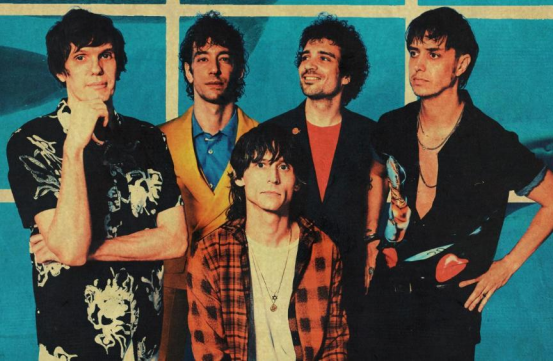
At the turn of the millennium, amidst a landscape of nu-metal and pop-punk, The Strokes burst out of New York City, spearheading a much-needed garage rock revival. Their debut album, “Is This It,” was a breath of fresh air, characterized by raw, lo-fi production, angular guitar riffs, and Julian Casablancas’s distinctively nonchalant vocals. They brought a cool, effortless aesthetic back to rock, echoing the stripped-down energy of 1970s punk and new wave bands. The Strokes eschewed elaborate solos and polished production for an immediate, authentic sound that felt both nostalgic and utterly contemporary. Their influence was immediate and profound, inspiring a wave of bands to rediscover the simplicity and visceral power of rock and roll, proving that sometimes, less is indeed more.
- Garage Rock Vanguard: Led the charge in the early 2000s garage rock revival.
- Lo-Fi Aesthetic: Embraced raw production and stripped-down instrumentation, influencing indie rock.
- Iconic Debut: “Is This It” became a definitive album for a new generation of rock fans.
- Stylistic Influence: Their cool, urban sound and image inspired countless bands in the indie scene.
Linkin Park: Blending Genres for a New Millennium
As the 2000s dawned, Linkin Park emerged as revolutionaries, masterfully blending heavy rock, hip-hop, and electronic elements to create the nu-metal sound that defined a generation. Their debut album, “Hybrid Theory,” became an instant phenomenon, resonating with a massive audience through its raw emotional honesty, dual vocal attack of Chester Bennington’s soaring screams and Mike Shinoda’s rap verses, and expertly crafted production. They tackled themes of alienation, anxiety, and mental health with a directness that spoke to millions of young listeners. Linkin Park’s ability to seamlessly fuse disparate genres made them trailblazers, breaking down musical barriers and paving the way for a more diverse and experimental approach to rock music. Their commercial success proved the immense appetite for music that was both heavy and emotionally intelligent, leaving an indelible mark on the sound of the new millennium.
- Nu-Metal Architects: Defined the sound of nu-metal by expertly blending rock, hip-hop, and electronic music.
- Emotional Resonance: Tackled themes of angst, mental health, and alienation, connecting deeply with a generation.
- Dual Vocal Dynamic: The interplay between Chester Bennington’s screams and Mike Shinoda’s raps was iconic.
- Massive Commercial Success: “Hybrid Theory” became one of the best-selling debut albums of all time, proving genre fusion’s appeal.

Contemporary Rock: Diverse Sounds and Enduring Appeal
The 21st century has seen rock music continue its journey of evolution and diversification. While some bands carry the torch of classic rock traditions, others fearlessly push boundaries, incorporating elements from pop, electronic, and even orchestral music. The landscape of contemporary rock is broad and dynamic, showcasing the genre’s enduring appeal and its capacity to adapt to new cultural contexts. From stadium-filling anthems to introspective soundscapes, modern rock bands demonstrate that the genre remains a powerful force in global music, constantly reinventing itself while staying true to its rebellious and innovative roots.
Green Day: Sustaining the Punk Legacy
Emerging from the California punk scene in the late 1980s, Green Day evolved from pop-punk stalwarts to rock opera maestros, consistently proving the enduring power of punk rock. While their early work was characterized by catchy, fast-paced anthems, their mid-career resurgence with “American Idiot” demonstrated a new level of ambition, tackling political and social commentary with a theatrical flair. They successfully updated punk’s rebellious spirit for a new generation, combining accessible melodies with sharp, often satirical lyrics. Green Day’s ability to remain relevant and creatively vibrant for decades, selling out arenas worldwide, showcases their mastery of songwriting and their unwavering commitment to the punk ethos. They are not just kings of punk revival; they are standard-bearers for the genre’s continued vitality.
- Punk Rock Longevity: Sustained a decades-long career, evolving from pop-punk to rock opera.
- Political Commentary: “American Idiot” and subsequent works offered sharp social and political critiques.
- Mass Appeal: Combined catchy melodies with punk energy, attracting a broad audience.
- Live Performance Power: Known for energetic and engaging live shows that captivate stadium crowds.
Coldplay: Gentle Rock Poets of the 21st Century
In stark contrast to the raw aggression of punk or metal, Coldplay carved out a niche as the most gentle and introspective rock poets of the 21st century. Hailing from London, their melancholic yet uplifting anthems, driven by Chris Martin’s distinctive vocals and a shimmering soundscape, quickly propelled them to global stardom. From the emotional depth of “Parachutes” to the stadium-filling grandeur of “A Rush of Blood to the Head” and beyond, Coldplay mastered the art of crafting universally resonant songs that blend introspection with hope. Their music, often characterized by lush instrumentation and poignant lyrics, speaks to themes of love, loss, and perseverance, offering solace and inspiration to millions. Coldplay’s immense success demonstrates that rock music’s emotional spectrum is vast, proving that gentleness and profound lyrical beauty can be just as impactful as raw power.
- Melancholic Anthems: Known for crafting emotionally resonant and uplifting rock ballads.
- Chris Martin’s Vocals: Distinctive and emotive vocal style is central to their sound.
- Global Stadium Phenomenon: Achieved massive worldwide success with their accessible and heartfelt music.
- Lyrical Poignancy: Explored themes of love, hope, and existential reflection with poetic grace.
Imagine Dragons: Chart-Toppers Breaking Pop-Rock Boundaries
Imagine Dragons has risen to become one of the most commercially successful and ubiquitous rock bands of the contemporary era, known for their powerful, arena-ready sound that seamlessly blends rock, pop, and electronic elements. Hailing from Las Vegas, their music is characterized by booming drums, soaring vocals from Dan Reynolds, and often anthemic, motivational lyrics. They have consistently delivered chart-topping hits that defy strict genre categorization, proving the fluidity of modern rock. From the infectious energy of “Radioactive” to the emotional depth of “Believer,” Imagine Dragons have a knack for crafting universally appealing songs that resonate across diverse audiences. Their success highlights the ongoing evolution of rock music, demonstrating its capacity to integrate mainstream pop sensibilities while retaining a powerful, driving core.
- Genre Blending: Masterfully fuses rock, pop, and electronic music for a broad appeal.
- Arena-Ready Sound: Known for powerful, anthemic songs designed for large venues.
- Chart Dominance: Consistently produces global hit singles that top charts worldwide.
- Motivational Themes: Lyrics often focus on resilience, self-belief, and overcoming adversity.
The Enduring Legacy and Cultural Resonance of Rock Icons
The bands explored in this pillar page represent just a fraction of rock music’s rich history, yet their collective impact is immeasurable. From The Beatles’ revolutionary pop to Nirvana’s grunge explosion and Metallica’s metal mastery, each group contributed vital elements to rock’s ever-evolving narrative. Their legacies are not confined to their discographies; they are woven into the fabric of global culture, influencing subsequent generations of musicians, artists, and activists. The enduring power of rock lies in its ability to adapt, to reflect the times, and to consistently provide a voice for the collective human experience, whether through rebellion, introspection, or pure, unadulterated joy.
Influence on Modern Music
The stylistic innovations, lyrical themes, and performance aesthetics pioneered by these iconic rock bands continue to shape contemporary music across all genres. Modern artists frequently cite these legends as primary inspirations, not just for their sound but for their artistic integrity and stage presence. The fusion of genres seen in bands like Linkin Park has become a blueprint for many contemporary artists, blurring lines between rock, pop, hip-hop, and electronic music. Furthermore, the storytelling and emotional depth found in the works of R.E.M. or Coldplay remain aspirational goals for songwriters today, underscoring rock’s foundational role in the broader musical ecosystem.
- Genre Fusion Blueprints: Pioneering blends by bands like Linkin Park set precedents for modern genre-bending.
- Songwriting & Lyrical Depth: The narrative and emotional complexity of bands like R.E.M. and Coldplay continue to inspire lyricists.
- Performance Aesthetics: The stage presence and live energy of bands from The Clash to Green Day inform contemporary live acts.
- Artistic Integrity: The commitment to unique vision, exemplified by Radiohead (not explicitly detailed above but known for this), remains a guiding principle for many artists.
Social and Political Impact
Beyond their musical contributions, many iconic rock bands have served as powerful conduits for social and political commentary. The Clash’s outspoken critiques of injustice, Green Day’s anti-war statements
Related Posts
The Ultimate Guide to Iconic Rock Bands: Legends Who Shaped Music History
Dive deep into the legendary histories of the greatest rock bands of all time. From the bad-boy rebellion of The…

The Rock & Roll Hall of Fame: The Ultimate Guide to Its Enduring Legacy and Controversies
Dive deep into the Rock & Roll Hall of Fame, exploring its foundational vision, intricate induction process, and the persistent…