Rock and roll is more than just a genre; it’s a cultural force, a vessel for storytelling, and a source of anthems that define generations. Certain songs transcend their time, becoming permanent fixtures in the soundtrack of our lives. They are characterized by unforgettable riffs, powerful vocals, groundbreaking structures, and lyrics that resonate with universal themes of love, loss, rebellion, and hope. This guide delves into the stories, musical genius, and lasting impact of the most iconic rock songs ever recorded, exploring how they broke rules, defined eras, and continue to captivate audiences worldwide.
The Architects of Epic Rock: Operatic and Progressive Masterpieces
Some rock songs are not just songs; they are sprawling, multi-part epics that challenge the conventional verse-chorus structure. These masterpieces pushed the boundaries of what a rock track could be, incorporating elements of classical, folk, and opera to create unforgettable sonic journeys.
Queen’s “Bohemian Rhapsody”: A Rule-Breaking Rock Opera
Arguably one of the most ambitious songs in music history, “Bohemian Rhapsody” by Queen is a six-minute suite that defies categorization. Released in 1975, it features no chorus, instead weaving together an introductory ballad, a guitar solo, an operatic passage, a hard rock section, and a reflective coda. The song’s complex vocal harmonies, famously overdubbed by Freddie Mercury, Brian May, and Roger Taylor hundreds of times, created a quasi-choral effect that was unprecedented in popular music. Its lyrical narrative, a cryptic confession from a young man, has fueled decades of debate, but its emotional power is undeniable. The song’s success proved that audiences were ready for complex, theatrical rock, cementing Queen’s legendary status.
Led Zeppelin’s “Stairway to Heaven”: A Folk-to-Hard-Rock Journey
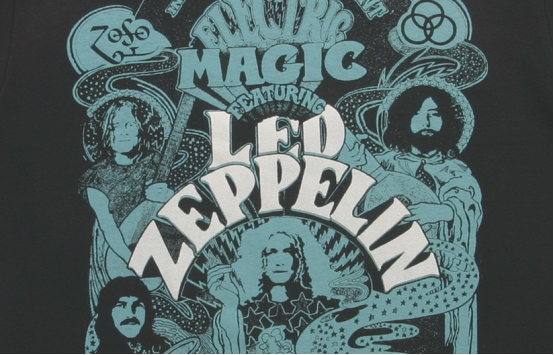
A cornerstone of classic rock radio, “Stairway to Heaven” by Led Zeppelin is a masterclass in dynamic progression. The eight-minute track begins as a gentle acoustic folk piece, gradually layering in electric pianos, bass, and drums before culminating in one of the most celebrated guitar solos of all time by Jimmy Page. The song’s structure, which builds in intensity and complexity, mirrors its mystical lyrics that explore themes of spirituality and materialism. Its refusal to be released as a single in the UK forced fans to buy the album, Led Zeppelin IV, which went on to become one of the best-selling albums in history. “Stairway to Heaven” is the quintessential album-oriented rock track, a testament to the band’s musical vision and ambition.
David Bowie’s “Space Oddity”: A Sci-Fi Musical Revolution
Released just days before the Apollo 11 moon landing in 1969, David Bowie’s “Space Oddity” captured the public’s fascination with space exploration. The song introduced the world to the fictional astronaut Major Tom, whose journey into the void serves as a powerful metaphor for isolation and alienation. Musically, the track was revolutionary, using a Mellotron and a Stylophone to create an otherworldly, futuristic soundscape. Its dynamic shifts, from the simple acoustic strumming of the countdown to the soaring, orchestral outro, create a cinematic experience that was unlike anything else at the time. “Space Oddity” marked Bowie’s arrival as a major artistic force, showcasing his talent for blending narrative storytelling with groundbreaking musical arrangements.

Hard Rock Riffs and Anthemic Choruses
At the heart of many rock anthems is a single, undeniable guitar riff—a musical hook so powerful it becomes instantly recognizable. These songs combine raw, distorted guitar power with choruses designed to be shouted by thousands in a stadium, creating a visceral and communal experience.
Deep Purple’s “Smoke on the Water”: The Story of an Iconic Riff
Built on a simple yet monumental four-note blues scale riff by Ritchie Blackmore, “Smoke on the Water” by Deep Purple is often the first song aspiring guitarists learn. Its genius lies in its simplicity and power. The song’s lyrics tell the true story of a fire that destroyed the Montreux Casino in Switzerland during a Frank Zappa concert, which the band witnessed from their hotel. The title refers to the smoke from the fire spreading over Lake Geneva. This direct, narrative style, combined with the unforgettable riff, made “Smoke on the Water” a global smash and one of the defining songs of hard rock.
Guns N’ Roses’ “Sweet Child O’ Mine”: From Warm-Up to Legend
What began as a simple string-skipping exercise by guitarist Slash transformed into one of the most beloved rock songs of all time. “Sweet Child O’ Mine” from Guns N’ Roses’ debut album, Appetite for Destruction, stands out for its melodic, almost gentle opening riff, a stark contrast to the band’s usually aggressive sound. Axl Rose’s heartfelt lyrics, written about his then-girlfriend Erin Everly, give the song an emotional vulnerability that resonated deeply with listeners. The track builds to a powerful, emotionally charged guitar solo that is consistently ranked among the greatest in rock history, showcasing the band’s incredible range and musicianship.
Boston’s “More Than a Feeling”: The Soul of Arena Rock
“More Than a Feeling” is the quintessential arena rock anthem, a perfect blend of acoustic melancholy and electric guitar grandeur. Written by Boston’s mastermind Tom Scholz, the song took five years to perfect. Its signature riff, a combination of arpeggiated acoustic chords and soaring electric leads, creates a rich, layered sound that defined the band’s style. The song’s theme of nostalgia and the power of music to evoke memories of a lost love is a universal sentiment, while Brad Delp’s soaring, high-pitched vocals provide the emotional core. It’s a technical marvel of studio production that still sounds immense and emotionally resonant decades later.
The Power Ballad: Rock’s Emotional Core
While rock is often associated with rebellion and aggression, its softer side has produced some of its most enduring hits. The power ballad became a staple in the 80s and 90s, allowing hard rock and heavy metal bands to showcase their melodic sensibilities and emotional depth, often resulting in massive commercial success.
Guns N’ Roses’ “November Rain”: An Orchestral Rock Epic
Another masterpiece from Guns N’ Roses, “November Rain” is a nine-minute orchestral epic that showcases the band’s cinematic ambitions. Axl Rose’s piano-led composition is a tragic love story, complemented by a sweeping string arrangement and three distinct, emotionally powerful guitar solos by Slash. The song’s accompanying music video was one of the most expensive ever made at the time, and its dramatic narrative of a wedding and a funeral became iconic. “November Rain” demonstrated that a hard rock band could create a work of profound emotional complexity and orchestral scale.
Foreigner’s “I Want to Know What Love Is”: A Gospel-Infused Anthem
By blending rock with gospel, Foreigner created one of the most powerful and heartfelt ballads of the 1980s. “I Want to Know What Love Is” features a prominent gospel choir, which elevates the song’s themes of yearning and spiritual searching into a transcendent experience. Lou Gramm’s raw, emotional vocal performance conveys a deep sense of vulnerability, while the song’s slow, deliberate build to a massive choral crescendo is both moving and unforgettable. It became a number-one hit worldwide, proving the universal appeal of its message and its powerful musical arrangement.
Bon Jovi’s “Always”: An Emotional Swan Song
Originally written for a film soundtrack but ultimately shelved, “Always” became one of Bon Jovi’s biggest international hits. This quintessential power ballad is a declaration of undying love and devotion, driven by Jon Bon Jovi’s passionate vocal delivery and a soaring guitar solo from Richie Sambora. The song’s structure is a masterclass in the power ballad formula: a soft, piano-driven verse that builds to a massive, emotionally charged chorus. Its themes of heartbreak and eternal commitment made it an anthem for romantics everywhere and solidified Bon Jovi’s status as kings of the genre.
Metallica’s “Nothing Else Matters”: Heavy Metal’s Tender Side
For a band known for its aggressive thrash metal sound, “Nothing Else Matters” was a shocking and beautiful departure. Written by James Hetfield while on the phone with his girlfriend, the song is a deeply personal expression of love and connection. Its finger-picked acoustic intro, open-string arpeggios, and later inclusion of a symphony orchestra revealed a musical sophistication and vulnerability that many fans had never seen. While some purists were initially critical, the song became one of Metallica’s most beloved tracks, demonstrating that even the heaviest bands could create moments of profound tenderness.
Songs of Hope, Freedom, and the Open Road
Many classic rock anthems tap into the universal desires for hope, freedom, and the promise of a better tomorrow. These songs often tell stories of small-town dreamers, life on the road, and the relentless pursuit of one’s goals, becoming timeless motivational soundtracks.
Journey’s “Don’t Stop Believin'”: An Eternal Song of Perseverance
With its iconic piano introduction and uplifting message, “Don’t Stop Believin'” by Journey has become a global anthem of hope. The song’s narrative follows a “small town girl” and a “city boy” on their journey, capturing a sense of shared experience and optimism. Structurally, it is unconventional, saving its title and main chorus for the final moments of the song, creating a massive payoff that leaves the listener energized. Decades after its release, it gained a massive resurgence in popularity through its use in television and film, proving its timeless appeal and cementing its place as an eternal song of perseverance.
Lynyrd Skynyrd’s “Free Bird”: An Ode to the Free Spirit
A staple of Southern rock, “Free Bird” is a two-part epic that stands as an ode to freedom and independence. The song begins as a soulful, slide-guitar-driven ballad, with lyrics that declare an unwillingness to be tied down. However, it is the song’s second half that has made it legendary: a blistering, extended triple-guitar solo that builds in speed and intensity, becoming a showcase of instrumental prowess. At concerts, the cry of “Play ‘Free Bird’!” has become a cultural meme, but it speaks to the song’s enduring power as a symbol of untamed rock and roll spirit.
Journey’s “Faithfully”: A Tribute to Life on Tour
Written by keyboardist Jonathan Cain, “Faithfully” is a poignant power ballad that captures the unique struggles and emotional toll of being a touring musician. The lyrics paint a vivid picture of life on the road—”another town, another show”—while expressing a deep commitment to a loved one back home. Steve Perry’s soaring, emotional vocals perfectly convey the song’s themes of love, loneliness, and loyalty. “Faithfully” resonated not only with other musicians but with anyone who has had to spend time away from family for work, making it one of Journey’s most heartfelt and enduring classics.
Genre-Bending and Musical Innovation
The most forward-thinking rock artists have always borrowed from other genres, creating new sounds that pushed music in new directions. These songs fuse rock with pop, funk, soul, and gospel, demonstrating the incredible versatility and experimental potential of the genre.
Michael Jackson’s “Billie Jean”: Where Rock Meets Pop and Funk
While Michael Jackson is the King of Pop, “Billie Jean” features a dark, driving bassline and a raw energy that is pure rock and roll. The song’s crossover appeal was immense, breaking down racial barriers on radio and MTV. Its tale of paranoia and false accusation is delivered with a vocal intensity that is both desperate and defiant. The song’s iconic bassline, tight rhythm section, and Jackson’s electrifying performance—including the debut of the moonwalk—made it a cultural phenomenon that blurred the lines between pop, rock, and funk.
Prince’s “Purple Rain”: A Fusion of Rock, Soul, and Gospel
The title track from his legendary 1984 album and film, “Purple Rain” is Prince’s magnum opus. A majestic blend of rock, soul, and gospel, the song is a sweeping power ballad that builds to an emotional, cathartic climax. Prince’s passionate vocals and his virtuosic, searing guitar solo create a spiritual and transcendent experience. Recorded live, the song captures the raw energy of his performance, solidifying his status as both a rock god and a genre-defying innovator. It is a timeless classic that showcases his unparalleled musical talent.
U2’s “With or Without You”: The Power of Musical Restraint
A highlight from their seminal album The Joshua Tree, “With or Without You” is a masterwork of tension and release. The song is built on a simple bassline and features The Edge’s innovative “Infinite Guitar,” which creates a sustained, ethereal sound. Bono’s lyrics explore the conflict and turmoil of a relationship, and his vocal performance moves from a restrained whisper to a desperate, passionate cry. Unlike many rock anthems that rely on bombast, the power of U2’s classic lies in its slow, deliberate build and its use of space and atmosphere, creating an intensely emotional and unforgettable track.
The Voice of a Generation: Grunge and Social Commentary
Rock music has always been a platform for social commentary and a voice for disaffected youth. In the early 1990s, the grunge movement channeled a generation’s angst and apathy into a powerful new sound, while other artists used the rock anthem format to comment on monumental world events.
Nirvana’s “Smells Like Teen Spirit”: The Tipping Point of a Revolution
With its quiet-loud dynamic and Kurt Cobain’s snarling, indecipherable lyrics, “Smells Like Teen Spirit” was the song that single-handedly launched the alternative rock revolution. It was an anthem for Generation X, capturing a sense of disillusionment, irony, and frustration that mainstream rock had ignored. The song’s explosive chorus and Cobain’s raw, pained vocals were a stark contrast to the polished hair metal that dominated the charts. The phenomenal success of Nirvana’s hit reshaped the music landscape overnight, bringing grunge and alternative rock into the mainstream and changing the industry forever.
Scorpions’ “Wind of Change”: A Rock Declaration for a New Era
Inspired by the band’s visit to the Soviet Union, “Wind of Change” by German rock band Scorpions became the unofficial anthem for the end of the Cold War. The song’s hopeful lyrics and its iconic whistled intro captured the optimism felt across the world as the Berlin Wall fell and a new era of peace seemed possible. It is a power ballad with a profound political and historical weight, a rock declaration that transcended entertainment to become a symbol of global change and unity. Its massive success, particularly in Europe, cemented its legacy as a song intrinsically linked to a pivotal moment in modern history.
The Enduring Anthems of the 80s
The 1980s was a decade defined by a unique blend of synthesizer-driven sounds and classic rock sensibilities. The era produced countless anthems that captured the spirit of the time, from high-energy rockers to emotionally charged ballads that remain staples of rock radio today.
Night Ranger’s “Sister Christian”: Capturing 80s Emotional Delivery
“Sister Christian” by Night Ranger is a quintessential 80s power ballad that tells the story of a younger sister growing up too fast. Written by drummer Kelly Keagy for his sister, Christy, the song’s lyrics about “motoring” and protecting innocence resonated with a generation of teenagers and parents alike. The track is famous for its slow, piano-led build-up that explodes into a powerful, drum-and-guitar-driven chorus. Its dramatic structure and heartfelt emotional delivery made it a massive hit and an enduring symbol of the 80s rock sound, perfectly capturing the decade’s unique blend of sincerity and bombast.
Frequently Asked Questions (FAQ)
- Q1: What defines a “classic rock” anthem?
- A classic rock anthem is typically a song that has transcended its original time of release to achieve timeless popularity. Key characteristics include a memorable melody or guitar riff, a powerful, often sing-along chorus, and lyrics that tap into universal themes like love, freedom, or rebellion. These songs often have a significant cultural impact, defining a particular era or moment in music history, and continue to be celebrated by subsequent generations.
- Q2: Why are power ballads so prominent in rock music?
- Power ballads became a crucial part of the rock landscape, especially for hard rock and heavy metal bands in the 80s and 90s. They provided a way for these bands to showcase
Music and arts context note: This article is independent music, song, performance, sports-culture, or arts commentary. It is not official artist, label, publisher, game studio, sports body, venue, brand, or rights-holder material, and it does not provide legal, business, training, medical, safety, or purchase advice.Independent commentary note: Names of songs, bands, artists, games, films, Olympic bodies, teams, brands, halls of fame, characters, tournaments, and other rights holders are used only for identification and commentary. This site is not affiliated with, sponsored by, authorized by, or endorsed by those parties, and it does not claim official status, licensing, rankings, or ownership of the referenced works.