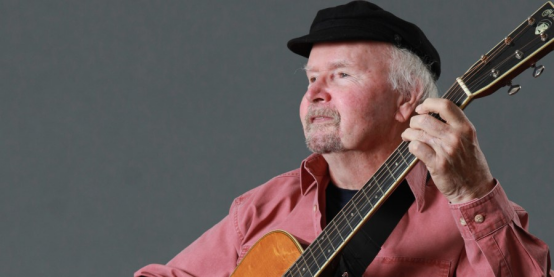
Folk music, in its purest form, is the voice of the people. It’s a tradition of storytelling, a vessel for social commentary, and a profound reflection of the human experience. Throughout the 20th and 21st centuries, a select group of artists have elevated this genre, transforming simple melodies and acoustic guitars into powerful tools for change and introspection. These legendary folk singers did more than just write songs; they chronicled their times, challenged the status quo, and penned the anthems for entire generations. This guide delves into the lives, music, and enduring legacies of these iconic figures, from the dust-caked roads of Woody Guthrie’s America to the poetic depths of Leonard Cohen’s soul.
The Forefathers of American Protest Folk
The American folk revival was intrinsically linked to social and political activism. These artists used their music as a platform to speak for the disenfranchised, protest injustice, and rally communities. They laid the groundwork for generations of musicians who believed a song could be a force for change.
Woody Guthrie: The Dust Bowl Prophet
Woodrow Wilson Guthrie is arguably the foundational figure of American folk music. His experiences during the Great Depression and the Dust Bowl of the 1930s shaped his worldview and his music. Guthrie traveled the country, guitar in hand, documenting the hardships of migrant workers, union laborers, and ordinary people struggling to survive. His guitar, famously emblazoned with the words “This Machine Kills Fascists,” was a symbol of his commitment to using art as a weapon against oppression. His songs are characterized by their simple, direct language and profound empathy. Guthrie’s vast catalog, including timeless anthems like “This Land Is Your Land,” “Pastures of Plenty,” and “Union Maid,” became the bedrock of the American folk songbook, influencing nearly every folk singer who followed.
Pete Seeger: The Unwavering Activist
A contemporary and friend of Woody Guthrie, Pete Seeger was a tireless advocate for social justice and environmentalism for over seven decades. As a member of The Weavers, he helped popularize folk music in the 1950s, but his career was derailed by the McCarthy-era blacklist due to his political beliefs. Undeterred, Seeger continued to perform at colleges, union halls, and civil rights rallies. He was instrumental in popularizing songs that became anthems of social movements, such as “We Shall Overcome” and “If I Had a Hammer.” Seeger’s belief in the power of communal singing was central to his philosophy; he viewed concerts as opportunities for collective action, often teaching audiences to sing along in harmony. His legacy is not just in his music but in his unwavering dedication to his principles.
Phil Ochs: The Conscience of a Generation
Phil Ochs was one of the most pointed and prolific political songwriters of the 1960s folk scene. While often compared to Bob Dylan, Ochs’s work was more explicitly political, earning him the label of a “singing journalist.” He tackled subjects like the Vietnam War, civil rights, and labor struggles with biting wit and uncompromising conviction. Songs like “I Ain’t Marching Anymore” and “Draft Dodger Rag” became staples of the anti-war movement. Ochs’s idealism was matched by his deep disillusionment with American politics, a struggle that was reflected in his later, more personal and orchestral work. Though his life was tragically cut short, his music remains a powerful testament to the role of the artist as a social conscience.
Tom Paxton: Chronicler of Modern Times
A key figure in the Greenwich Village folk scene of the 1960s, Tom Paxton is celebrated for his ability to blend protest with poignant, personal storytelling. His topical songs were so timely that he was known to write a song one day and perform it on stage the next. Paxton’s enduring compositions like “The Last Thing on My Mind,” “Ramblin’ Boy,” and the satirical “What Did You Learn in School Today?” showcase his versatility as a writer. Unlike some of his peers who moved into rock, Paxton has remained a dedicated folk singer throughout his long career, consistently writing songs that reflect on the political and social issues of the day with warmth, humor, and humanity.

The Poet Laureates: Weaving Words and Melody
While rooted in the traditions of protest, another branch of folk music elevated the genre to the level of high poetry. These artists focused on lyrical complexity, metaphorical depth, and narrative storytelling, proving that a three-minute song could contain the emotional weight and literary richness of a novel or poem.
Bob Dylan: From Folk Prodigy to Nobel Laureate
No single artist has had a more profound impact on folk and popular music than Bob Dylan. Arriving in New York City in 1961, he quickly became the reluctant voice of a generation with anthems like “Blowin’ in the Wind” and “The Times They Are a-Changin’.” However, Dylan consistently defied expectations. His 1965 decision to “go electric” at the Newport Folk Festival was a seminal moment in music history, alienating folk purists but opening the door for the fusion of folk’s lyrical depth with rock’s sonic power. His true genius lies in his songwriting, a surreal and poetic blend of political commentary, personal confession, and literary allusion that ultimately earned him the Nobel Prize in Literature in 2016. Albums like Blonde on Blonde and Blood on the Tracks are considered masterpieces of modern songwriting.
Leonard Cohen: The Poet of Darkness and Light
Before he was a musician, Leonard Cohen was an accomplished Canadian poet and novelist. He brought this literary sensibility to his music, crafting songs that explored themes of love, faith, depression, and mortality with unparalleled grace and gravitas. His deep, resonant voice and intricate nylon-string guitar playing created an intimate, almost sacred atmosphere. Cohen’s compositions are meticulously crafted, often taking years to perfect. His most famous song, “Hallelujah,” has become a modern standard, a testament to his ability to weave together the sacred and the profane. Throughout his career, from Songs of Love and Hate to his final album You Want It Darker, Cohen remained a master of poetic expression and emotional depth.
Don McLean: Master of the Folk Narrative
Don McLean secured his place in music history with the epic 1971 song “American Pie,” an 8.5-minute allegorical journey through the history of rock and roll and the loss of innocence in America. This single song demonstrates his mastery of the long-form folk narrative. But McLean’s talent extends far beyond his most famous work. Songs like “Vincent (Starry, Starry Night),” a beautiful tribute to Vincent van Gogh, and the tender ballad “And I Love You So” showcase his skill as a sensitive and melodic songwriter. He is a quintessential American troubadour, capturing moments of cultural significance and personal reflection with a storyteller’s touch.

The British Invasion and Its Melancholic Echoes
Across the Atlantic, British musicians were reinterpreting American folk and blues, infusing them with their own ancient folk traditions and unique sensibilities. This movement produced some of the most innovative and emotionally resonant music of the era.
Richard Thompson: The Virtuoso of British Folk-Rock
As a founding member of the seminal band Fairport Convention, Richard Thompson was a chief architect of British folk-rock. His innovative guitar playing, which blends traditional Celtic and English folk styles with rock and roll energy, is legendary. After leaving the band, he embarked on a long and critically acclaimed solo career, often alongside his then-wife Linda Thompson. His songwriting is characterized by its dark humor, complex characters, and incisive social commentary. Thompson is a “triple threat”: a world-class guitarist, a powerful singer, and a songwriter of immense skill and depth, with classic songs like “1952 Vincent Black Lightning” solidifying his status as a musician’s musician.
Nick Drake: The Enigmatic and Melancholic Poet
Nick Drake’s music is a world unto itself. In his short lifetime, he recorded three exquisite albums—Five Leaves Left, Bryter Layter, and the starkly beautiful Pink Moon—that sold poorly but have since garnered a massive and devoted cult following. His music is characterized by intricate, jazz-inflected guitar tunings, hushed vocals, and deeply melancholic, autumnal lyrics. Drake’s profound shyness and reluctance to perform live contributed to his obscurity during his lifetime. His work explores themes of alienation, nature, and depression with a haunting beauty that has resonated deeply with subsequent generations of listeners and musicians.
Cat Stevens (Yusuf Islam): A Spiritual Journey in Song
Cat Stevens rose to international fame in the early 1970s with a string of gentle, melodic, and spiritually inquisitive songs. His albums Tea for the Tillerman and Teaser and the Firecat produced hits like “Wild World,” “Father and Son,” and “Morning Has Broken,” which defined the softer side of the singer-songwriter movement. His music often grappled with a search for meaning and purpose, a journey that led him to convert to Islam in 1977 and change his name to Yusuf Islam. After a long hiatus from popular music, he returned to recording and performing, bridging his past and present with a message of peace and understanding.

The Confessional Troubadours: Charting the Inner Landscape
As folk music evolved, many artists turned inward, using the genre’s inherent intimacy to explore the complexities of personal relationships, emotional turmoil, and self-discovery. These confessional troubadours created a deeply personal and often raw body of work.
Jackson Browne: Witness to an Era
Jackson Browne is a quintessential figure of the 1970s Southern California singer-songwriter scene. His meticulously crafted songs chart the highs and lows of love, life, and the search for identity with remarkable lyrical precision and emotional honesty. Albums like Late for the Sky and Running on Empty are masterpieces of confessional songwriting, capturing the hopeful yet weary spirit of his generation. Browne’s work often serves as a witness to his time, blending the personal with the political, particularly in his later career as he became more involved in anti-nuclear and environmental activism.
Elliott Smith: The Voice of Emotional Honesty
Elliott Smith’s music is defined by its fragile beauty and unflinching emotional honesty. His quiet, multi-tracked vocals, complex chord progressions, and darkly poetic lyrics created a sound that was both intimate and unsettling. Smith wrote openly about his struggles with depression, addiction, and loneliness, connecting deeply with listeners who felt alienated or misunderstood. His breakthrough came with his contribution to the Good Will Hunting soundtrack, which earned him an Oscar nomination for “Miss Misery.” Albums like Either/Or and XO are treasured for their raw, vulnerable songwriting, cementing his legacy as a voice for the lonely and the heartbroken.
Damien Rice: From Busker to Folk Prophet
Emerging from the streets of Dublin where he began as a busker, Irish singer-songwriter Damien Rice captivated audiences with his emotionally charged performances and dynamic musical arrangements. His debut album, O, became a word-of-mouth sensation, celebrated for its raw, unfiltered exploration of love and loss. Rice’s music is known for its dramatic shifts in volume, from a whispered vocal to a full-throated roar, mirroring the tumultuous emotions in his lyrics. Songs like “The Blower’s Daughter” and “Cannonball” are powerful examples of his ability to build intense, cinematic soundscapes with simple acoustic instruments.

Global Voices: Folk Music Beyond Borders
The spirit of folk music—giving voice to a culture’s stories and struggles through song—is a global phenomenon. While the American and British movements are most famous, powerful folk traditions exist worldwide, with artists who become national icons.
Bulat Okudzhava: The Soul of Russian Folk Poetry
Bulat Okudzhava was one of the most significant figures in the Soviet “bard” movement, a tradition of singer-songwriters who performed unofficial, poetic songs outside the state-sanctioned music industry. With his simple, often melancholic guitar accompaniment, Okudzhava’s songs were deeply personal and historical, touching on the experiences of war, the quiet hopes of the intelligentsia, and the romanticism of Moscow’s old streets. His work was a subtle form of resistance against the rigid cultural conformity of the Soviet Union. Okudzhava’s poetic lyrics and gentle melodies made him a beloved cultural hero, his songs passed around on clandestine tape recordings, becoming an integral part of the Russian cultural consciousness.
Frequently Asked Questions (FAQ)
- What defines a “folk singer” in the modern era?
- In the modern era, a folk singer is typically defined by a focus on lyrical content, acoustic instrumentation, and a style rooted in storytelling or social commentary. While the traditional definition is tied to passing down anonymous, traditional songs, the term now encompasses singer-songwriters who compose their own material in the spirit of folk traditions. Authenticity, emotional directness, and often a connection to political or social issues remain key characteristics.
- How did Bob Dylan’s shift to electric guitar impact folk music?
- Bob Dylan’s decision to play an electric guitar at the 1965 Newport Folk Festival was a watershed moment. It created a major schism in the folk community, with purists feeling he had betrayed the acoustic tradition. However, its long-term impact was monumental. It legitimized the fusion of folk’s lyrical intelligence with the power and reach of rock music, creating the genre of “folk-rock.” This move paved the way for countless artists like The Byrds, Simon & Garfunkel, and Richard Thompson to explore new sonic territories while retaining a songwriter’s focus.
- What is the difference between American and British folk music?
- While they share common roots, American and British folk music have distinct characteristics. American folk is a melting pot of traditions, heavily influenced by Appalachian, blues, gospel, and country music, often focusing on themes of labor, travel, and social protest. British folk, particularly the folk-rock revival, drew more from ancient Celtic and English ballads, with themes often involving mythology, historical events, and rural life. British folk-rock also pioneered the electrification of traditional jigs and reels, a style less common in its American counterpart.
- Why are many folk singers associated with social activism?
- Folk music has long been called “the people’s music” because it historically served as a way for ordinary, often illiterate, communities to share stories, preserve history, and voice grievances. This inherent function makes it a natural vehicle for social and political commentary. In the 20th century, artists like Woody Guthrie and Pete Seeger solidified this connection, using their songs to support the labor and civil rights movements. The genre’s emphasis on clear, direct language makes it an effective tool for communicating a message and fostering a sense of community around a cause.