The Rolling Stones: The Bad Boys and Eternal Thugs of Rock History
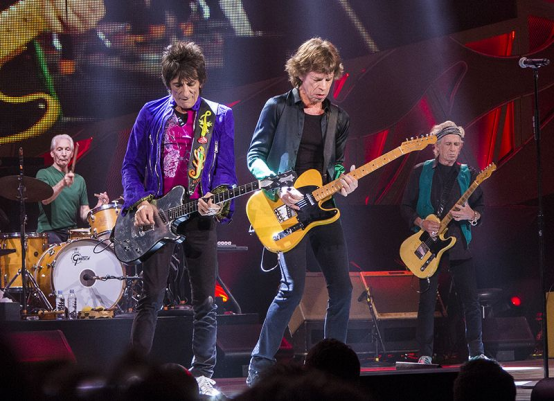
When discussing the foundational pillars of modern rock music, it is impossible to overlook the monumental influence of The Rolling Stones. Emerging from the gritty blues clubs of London in the early 1960s, the band was deliberately marketed as the dangerous, rebellious counter-image to the clean-cut Beatles. This calculated persona quickly transcended marketing, cementing them as the ultimate “bad boys” of rock and roll. Their music, heavily steeped in American Chicago blues, brought a raw, unapologetic sexuality and swagger to the forefront of popular culture, fundamentally altering the trajectory of rock history.
The Genesis of the Anti-Establishment Persona
The Rolling Stones did not just play music; they embodied a lifestyle that challenged the conservative norms of the era. The dynamic synergy between frontman Mick Jagger and guitarist Keith Richards became the blueprint for the quintessential rock frontman-guitarist partnership. Jagger’s kinetic, hyper-sexualized stage presence, combined with Richards’ mastery of open-G guitar tunings, created a sound that was both loose and undeniably heavy. This lethal combination allowed them to dominate the cultural landscape as eternal thugs of the rock world.
- Blues Authenticity: Unlike many of their pop-oriented contemporaries, the Stones remained fiercely loyal to their blues roots, covering artists like Muddy Waters and Howlin’ Wolf before penning their own gritty anthems.
- Cultural Rebellion: Tracks like Satisfaction and Sympathy for the Devil tapped into the sociopolitical unrest of the 1960s, providing a soundtrack for a disillusioned generation.
- Enduring Longevity: Their ability to continuously tour and produce culturally relevant music across six decades is a testament to their foundational talent and relentless drive.
Beyond their musical output, the band’s survival through decades of excess, shifting musical trends, and internal friction highlights their resilience. They transformed rock from a fleeting teenage fad into a lifelong, stadium-filling enterprise, proving that the rebellious spirit of rock and roll has no expiration date.

The Who: The Destruction and Rebirth of Rock and Roll
If The Rolling Stones represented the swagger of rock, The Who represented its explosive, kinetic energy. Originating from the British Mod subculture, The Who pioneered a highly theatrical, aggressively loud style of performance that bordered on performance art. They were not merely playing instruments; they were weaponizing them. The concept of “auto-destructive art” became their hallmark, famously culminating in the smashing of guitars and the detonation of drum kits at the end of their live sets, a visual metaphor for the frustration and angst of youth culture.
Pioneering Auto-Destructive Art and Sonic Innovation
The musical architecture of The Who was entirely unique, driven by the disparate yet complementary talents of its four members. Pete Townshend utilized power chords and feedback as compositional tools, while John Entwistle played the bass guitar as a lead instrument, filling the sonic space with intricate, rapid-fire lines. Above this, Keith Moon approached the drums with a chaotic, non-linear style that completely ignored traditional timekeeping, and Roger Daltrey provided the muscular, roaring vocals that anchored the chaos.
- The Windmill and The Smash: Townshend’s signature windmill guitar strum and subsequent instrument destruction set a new standard for live rock theatricality, influencing countless punk and hard rock acts.
- Synthesizer Integration: The Who were early adopters of sequencing and synthesizers in rock, most notably on tracks like Baba O’Riley and Won’t Get Fooled Again, proving that hard rock could embrace cutting-edge technology.
- The Anthem of a Generation: My Generation articulated the stuttering, furious frustration of working-class youth, featuring one of the first prominent bass solos in rock history.
The Birth of the Rock Opera
Perhaps The Who’s most enduring legacy is the invention and popularization of the “rock opera.” With the release of Tommy in 1969, and later the profoundly complex Quadrophenia, Townshend elevated rock music to the level of classical narrative art. These sprawling, multi-album narratives explored themes of trauma, spiritual enlightenment, and adolescent alienation, proving that rock music was capable of sustaining deep, long-form storytelling.

Led Zeppelin: The Epic Creators of Hard Rock
In the late 1960s, out of the ashes of The Yardbirds, emerged a behemoth that would definitively shape the future of heavy music: Led Zeppelin. They are widely regarded as the epic creators of hard rock, forging a sound that was unprecedented in its sheer volume, technical proficiency, and dynamic range. Led Zeppelin did not just play loud; they understood the crucial interplay between light and shade, blending bone-crushing heavy metal riffs with delicate acoustic English folk, Celtic mysticism, and deep Delta blues.
Forging a New Heavy Metal Blueprint
The genius of Led Zeppelin lay in the meticulous production and visionary direction of guitarist Jimmy Page. Page utilized innovative studio techniques, such as distance miking and reverse echo, to capture the massive, ambient sound of John Bonham’s thunderous drumming. Paired with John Paul Jones’ sophisticated bass and keyboard arrangements, and Robert Plant’s ethereal, wailing vocals, the band created a sonic template that every subsequent hard rock and heavy metal band would attempt to emulate.
- Riff-Driven Architecture: Tracks like Whole Lotta Love and Kashmir showcased Page’s ability to construct entire musical universes around hypnotic, cyclical guitar riffs.
- The Rhythm Section: Bonham and Jones formed arguably the most formidable rhythm section in rock history, characterized by a heavy, behind-the-beat groove that gave their music a massive, swinging momentum.
- Acoustic and World Influences: Zeppelin’s willingness to incorporate mandolins, mellotrons, and Middle Eastern scales expanded the vocabulary of hard rock beyond simple blues progressions.
Their magnum opus, Stairway to Heaven, remains the ultimate distillation of their “light and shade” philosophy, seamlessly transitioning from a fragile acoustic ballad to a blistering hard rock climax. Led Zeppelin’s refusal to release singles, focusing instead on the album as a complete, cohesive artistic statement, fundamentally changed how rock music was consumed and marketed.

Queen: The Theatrical Rock Legends of Stadium Anthems
While Led Zeppelin mastered the heavy groove, Queen conquered the world through sheer theatricality, virtuosic musicianship, and genre-defying composition. Queen was a band of extremes, seamlessly blending heavy metal, vaudeville, progressive rock, and classical opera into a sound that was entirely their own. At the center of this musical kaleidoscope was Freddie Mercury, arguably the greatest frontman in the history of rock, whose multi-octave vocal range and magnetic stage presence turned every concert into an interactive spectacle.
Redefining the Boundaries of Operatic Rock
Queen’s approach to studio recording was incredibly meticulous. Guitarist Brian May used his custom-built “Red Special” guitar to layer dozens of tracks, creating a thick, orchestral guitar sound that mimicked string and brass sections. Alongside drummer Roger Taylor and bassist John Deacon, the band built complex, multi-part vocal harmonies that became their sonic signature. They rejected the raw, unpolished aesthetic of their peers in favor of a highly produced, flawless studio execution.
- Bohemian Rhapsody: A defiance of all commercial radio rules, this six-minute suite lacked a traditional chorus and featured a massive operatic middle section, yet it became one of the best-selling singles of all time.
- The Art of the Stadium Anthem: Songs like We Will Rock You and We Are the Champions were explicitly designed for mass audience participation, transforming rock concerts into communal, quasi-religious experiences.
- Genre Fluidity: Queen refused to be pigeonholed, effortlessly pivoting from the rockabilly of Crazy Little Thing Called Love to the funk-driven basslines of Another One Bites the Dust.
Their legendary 20-minute set at Live Aid in 1985 is universally cited as the pinnacle of live rock performance. Mercury’s ability to hold 72,000 people in the palm of his hand demonstrated the ultimate power of rock and roll as a unifying global force.

Guns N’ Roses: The Last Titans of Unapologetic Hard Rock
By the late 1980s, mainstream rock had become saturated with polished, heavily hair-sprayed glam metal bands that lacked the danger and authenticity of rock’s founding fathers. Enter Guns N’ Roses. Emerging from the sleazy, drug-fueled underbelly of the Sunset Strip in Los Angeles, they stripped away the synthesizers and pop-metal sheen, injecting a lethal dose of punk rock aggression, classic blues-rock swagger, and raw, unfiltered street reality back into the genre. They are widely considered the last true titans of unapologetic hard rock.
Bringing Danger Back to the Sunset Strip
The release of their 1987 debut album, Appetite for Destruction, was a cultural earthquake. It remains the best-selling debut album in U.S. history, a visceral document of urban decay, addiction, and hedonism. The band’s sound was anchored by the dual-guitar attack of Slash and Izzy Stradlin, who wove intricate, Joe Perry-inspired blues licks with ferocious punk power chords. Over this volatile mix, frontman Axl Rose delivered deeply personal, often harrowing lyrics with a unique, screeching vocal rasp that could instantly pivot to a haunting croon.
- Authentic Grit: Unlike their contemporaries singing about endless partying, Guns N’ Roses wrote about the dark, dangerous reality of life on the streets, as heard in the menacing Welcome to the Jungle.
- The Power Ballad Perfected: Tracks like Sweet Child O’ Mine and the later epic November Rain proved that the band possessed a deep sense of melody and orchestral ambition beneath their gritty exterior.
- Volatile Chemistry: The internal tension and unpredictable nature of the band members added to their mystique, making every live show feel like a powder keg waiting to explode.
Guns N’ Roses effectively bridged the gap between the classic rock era of Aerosmith and the impending grunge revolution of the 1990s. They proved that massive commercial success did not require the sacrifice of rock and roll’s inherently dangerous, rebellious soul.

The Cultural Impact and Evolution of the Hard Rock Sound
The collective impact of The Rolling Stones, The Who, Led Zeppelin, Queen, and Guns N’ Roses forms the very DNA of modern popular music. While each band emerged from different cultural moments and geographical locations, they all shared a commitment to pushing the boundaries of volume, theatricality, and emotional intensity. To truly understand their legacy, we must look at how their distinct sonic innovations evolved and influenced one another over the decades.
| Rock Legend | Core Musical Innovation | Signature Cultural Impact | Defining Masterpiece |
|---|---|---|---|
| The Rolling Stones | Infusing Chicago blues with dangerous, hyper-sexualized rock swagger. | Pioneered the “bad boy” image and the concept of the eternal touring rock band. | Exile on Main St. |
| The Who | Auto-destructive performance art and synthesizer integration. | Invented the Rock Opera, elevating rock to high narrative art. | Tommy / Quadrophenia |
| Led Zeppelin | Heavy, riff-driven blues mixed with acoustic folk and mysticism. | Created the blueprint for heavy metal and album-oriented rock (AOR). | Led Zeppelin IV |
| Queen | Operatic vocal harmonies and multi-layered, orchestral guitar production. | Perfected the stadium rock anthem and interactive live spectacles. | A Night at the Opera |
| Guns N’ Roses | Stripped-down, punk-infused blues-rock with raw, gritty lyricism. | Destroyed the glam-metal era, bringing authentic danger back to mainstream rock. | Appetite for Destruction |
These bands did not just reflect the culture of their times; they actively shaped it. They turned the electric guitar into a symbol of freedom, the drum kit into an engine of rebellion, and the microphone into a pulpit for the disenfranchised. Their music continues to be discovered by new generations, proving that the visceral thrill of a perfectly executed guitar riff or a soaring vocal melody is truly timeless.
Frequently Asked Questions (FAQ)
- Q1: What defines the “hard rock” sound created by bands like Led Zeppelin and The Who?
- The hard rock sound is primarily characterized by aggressive, heavily amplified electric guitars playing power chords and cyclical riffs, supported by a massive, driving rhythm section. Led Zeppelin introduced the concept of “light and shade,” contrasting extreme volume with quiet acoustic passages, while The Who contributed sheer kinetic energy and the integration of feedback and synthesizers to expand the genre’s sonic palette.
- Q2: How did The Rolling Stones maintain their longevity compared to other rock bands?
- The Rolling Stones’ longevity is rooted in their unyielding dedication to their blues foundations, their shrewd business acumen, and the irreplaceable songwriting partnership between Mick Jagger and Keith Richards. Furthermore, their willingness to adapt to changing musical eras—incorporating elements of disco, punk, and country—while never losing their core “bad boy” identity allowed them to remain culturally relevant for over six decades.
- Q3: Why is Queen’s performance at Live Aid in 1985 considered one of the greatest in rock history?
- Queen’s Live Aid performance is legendary because it perfectly encapsulated their mastery of stadium rock in a condensed, 20-minute set. Freddie Mercury’s unparalleled vocal power and charismatic crowd control united a global audience of over a billion people. They rehearsed meticulously to deliver a flawless medley of their biggest anthems, proving that their theatrical, operatic rock was the ultimate live experience.
- Q4: What impact did Guns N’ Roses have on the late 1980s music scene?
- In the late 1980s, the mainstream rock scene was dominated by highly polished, image-conscious glam metal bands. Guns N’ Roses shattered this paradigm with Appetite for Destruction, a gritty, punk-infused hard rock album that brought authentic danger, street-level lyricism, and raw blues-rock back to the radio. They effectively paved the way for the alternative and grunge movements of the 1990s by demanding authenticity in rock music.
- Q5: How did the concept of the “rock opera” change the music industry?
- Pioneered largely by The Who with albums like Tommy, the rock opera changed the industry by proving that rock music was capable of sustaining complex, album-length narratives and deep thematic explorations. It shifted the industry’s focus away from simple, three-minute pop singles toward ambitious, conceptual album-oriented rock (AOR), influencing progressive rock and heavy metal bands for decades to come.