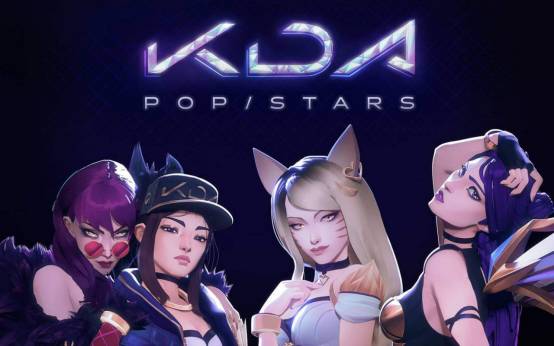
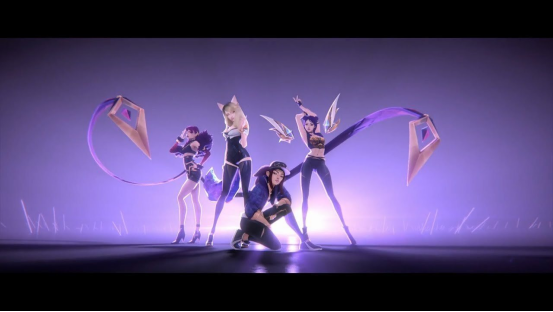
“POP/STARS” is undoubtedly a bold cross-border innovation attempt by Riot Games in the “League of Legends” series. It is not just a song, but also the birth of a cultural phenomenon. Since the global success of “League of Legends”, the Riot Games team has been constantly looking for new ways to connect the virtual world and the real world, and the birth of K/DA is the crystallization of this creativity. This virtual girl music group, composed of four popular characters in the game – Ahri, Akali, Evelynn and Kaisa, breaks the boundary between virtual and real life and brings players a brand new entertainment experience. So, why did Riot Games choose K-pop as the basis of its virtual music group? How does it show cross-cultural integration and innovation through “POP/STARS”?
K-pop’s global appeal: The inspiration behind virtual idols
If we want to find one of the reasons behind the success of “POP/STARS”, K-pop is undoubtedly the most direct source of inspiration. From Korean pop music to a global phenomenon, K-pop has captured the hearts of fans around the world with its dynamic rhythm, gorgeous dance choreography and attractive idol images. The combination of virtual idols and K-pop seems to be a perfect contract between Riot Games and the global cultural trend.
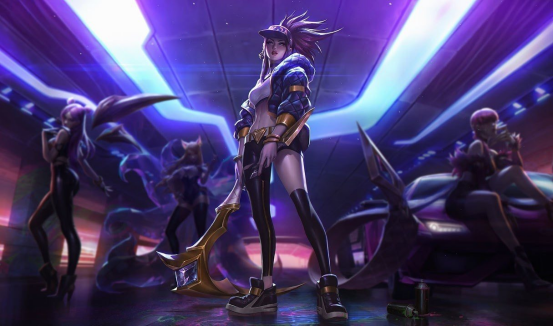
The essence of K-pop is a product of fusion culture. It is not only a performance of music, but also a comprehensive integration of vision, fashion and art. The birth of K/DA is a “tribute” to this cultural phenomenon by Riot Games. By placing the virtual characters of “League of Legends” on the stage of K-pop, the boundary between virtual and reality begins to blur. Every player is no longer just watching these characters “fighting” in the game, they seem to see themselves in the music: Ahri’s agility, Akali’s rebelliousness, Evelynn’s mystery, Kai’Sa’s bravery – these virtual images with distinct personalities are establishing a deeper emotional connection with fans through music.
Isn’t this cultural symbol of K-pop meant to convey the “sense of reality in the virtual world”? In this regard, POP/STARS is not just entertainment, it is also a collision of culture and art, and a spiritual resonance between global fans and virtual idols.
Cross-cultural music fusion: the perfect combination of Eastern and Western music
The music style of “POP/STARS” is obviously not limited to a certain culture. Its creation fundamentally reflects the deep integration of Eastern and Western music. In the song, you can hear the strong rhythm of K-pop – those fast drum beats, highly layered harmonies, and rhythmic dance beats. At the same time, it cleverly integrates elements of Western pop music, such as the use of electronic sound effects, the addition of synthesizers, and more international melody design.
This is fully reflected in the selection of the creative team. (G)I-DLE members Jeon Soyeon and Cho Wiyeon from South Korea are responsible for singing the Korean part of the song, while Madison Beer and Jaira Burns from the United States are responsible for the English part. This language switching and cultural collision makes the song more international, allowing listeners from all countries to find resonance.
The Korean part of the song showcases the dynamic rhythm and melody fluctuations common in K-pop, while the English part focuses more on fluency and emotional expression. The two complement each other, just like the dialogue and collision between virtual idols and real singers, presenting us with a visual and auditory feast.
Is it because of this fusion of Eastern and Western musical elements that “POP/STARS” has been able to attract widespread love from fans around the world?

Lyrics and emotions: inspiring dreams and passion through music
The lyrics of “POP/STARS” are full of positive emotions, and can almost be said to be a direct cry to the heart of every player. The words “We are the Pop Stars” and “Rise up” in the lyrics undoubtedly convey a sense of strength and confidence, as if telling every listener: No matter who you are, no matter where you come from, as long as you have a dream, you can become a star.
This is not only K/DA’s belief, but also the emotional resonance of every listener. In a sense, these characters in the game represent all those who are brave enough to challenge and express themselves. In “POP/STARS”, they become “stars” in the virtual world, and we in reality can also feel the motivation to push ourselves forward.
The arrangement of the lyrics is well thought out, not only telling the independence and strength of the virtual characters, but also reflecting the players’ struggles in League of Legends. Every game is a self-challenge, and it is this spirit of self-challenge that inspires players to keep moving forward.
The creation of virtual idols: cross-border innovation behind the scenes
The success of “POP/STARS” is also inseparable from the tremendous efforts made by the Riot Games team behind the scenes. From music composition to visual design to stage performance planning, every decision made by Riot Games is trying to break the rules and break the boundaries. They are not just making a song, but creating a cultural symbol, a bond that can connect the virtual and the real, the emotional bond between players and idols.
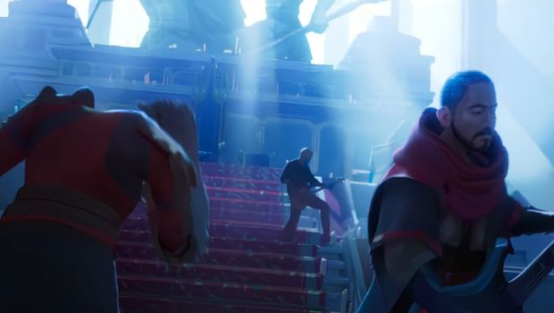
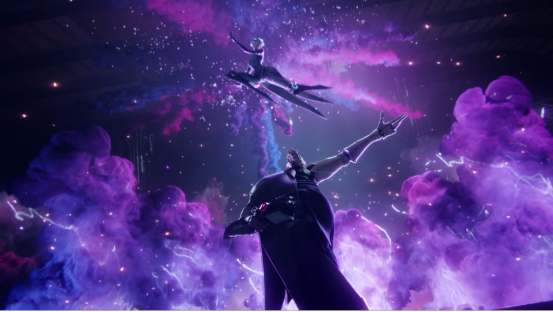
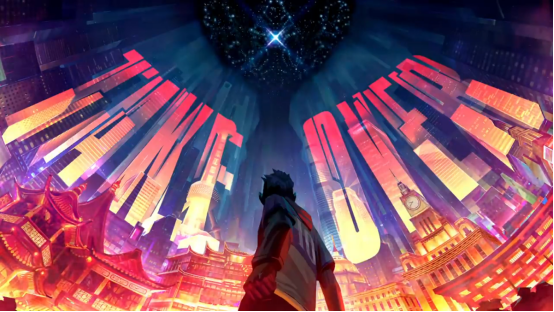
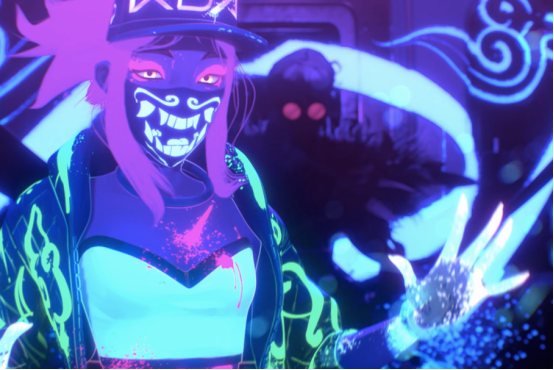
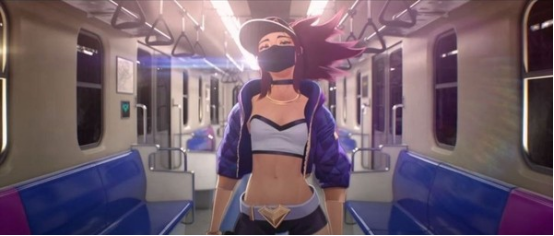
The music video of the song is also a wonderful presentation of virtual idol culture. Through exquisite CGI technology, the four members of K/DA are not just singing and dancing on the screen, they have almost become “real idols” in the eyes of fans. Their every dance move and every eye contact seems to tell the audience: We are not far away from you, we are right beside you.
In the combination of virtual idols and real idols, what Riot Games is doing is not just the pursuit of music, but a leap between human emotions and digital art.
Conclusion: The bridge between virtual and reality
“POP/STARS” is not just an entertaining song, it has become a bridge between virtual and reality. Through the integration of K-pop culture and cross-cultural creation and performance, this song successfully gave new life to the virtual characters in “League of Legends”. This cross-border attempt also shows us that the potential of virtual idols is far more than the image in the game. They have become part of global culture.
Through POP/STARS, Riot Games presents players with a world that is both virtual and real, where the characters not only exist on the screen, but their music, their dance, and their emotions seem to be within reach. This is not only a technical victory, but also a cultural collision and innovation. Will the boundaries of virtual idols be further expanded? What kind of surprises will this cross-border artistic exploration bring us? These questions may only be answered by time.