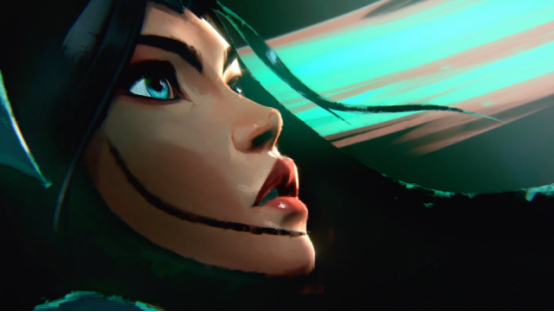
“Dragon Anthem,” the theme song for the 12th League of Legends World Championship, performed by Chinese folk musician Wu Mochou, blends traditional Chinese cultural elements with modern electronic music. The song is not only a passionate tribute to the tournament but also a profound expression of Chinese esports culture. Especially given the growing popularity of League of Legends in China, “Dragon Anthem” is a clear display of cultural confidence. Through the symbolic cultural symbol of the Chinese dragon, the song highlights the powerful influence of the Chinese esports market and conveys a deep understanding of the competition and the spirit behind it.
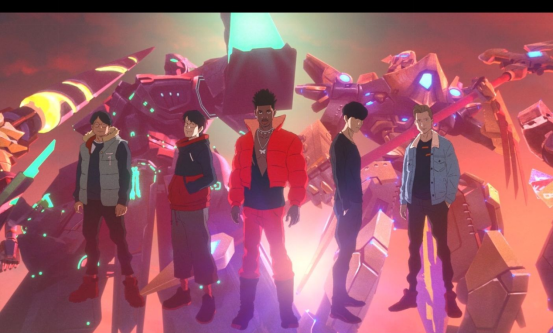
The Mystery and Power of the Chinese Dragon
The most distinctive feature of “Dragon Anthem” is its cultural heritage—the Chinese dragon. In Chinese culture, the dragon symbolizes strength, wisdom, dignity, and majesty. It not only represents the long history and cultural heritage of the Chinese nation, but also signifies supreme glory and unrivaled power. In this song, Wu Mochou’s powerful voice perfectly captures the dragon’s mystery and majesty.
The song’s opening is imbued with a sense of mystery, blending traditional drum beats with modern electronic rhythms. It evokes the feeling of a mighty dragon soaring from ancient times, traversing time and space, bearing the power and aura of Chinese culture. The lyrics, “Dragon’s World, King Supreme,” are a profound interpretation of this cultural symbolism—not only a tribute to Chinese tradition, but also a call to all League of Legends players, teams, and tournaments: In this virtual world of esports, every player can become a king and embrace their own moment of glory.
Lyrics: The embodiment of confidence and glory
The lyrics of “Dragon Anthem” profoundly reflect the Chinese esports community’s love and reverence for League of Legends. The line “Dragon’s World, Kings Supreme” in particular repeatedly conveys the esports world’s dominant spirit and confidence. Whether in the real world or the virtual arena, the lyrics convey a sense of upward mobility and unyielding strength, inspiring all esports enthusiasts: Only through continuous struggle and hard work can one stand out in this silent battle and achieve ultimate victory.
Behind these lyrics lies not only a respect for the League of Legends World Championship, but also a pride in the Chinese esports market, and specifically the growing prominence of Chinese teams on the global stage. In recent years, Chinese teams have consistently achieved outstanding results in the League of Legends global arena, gradually reaching the top of the world, and this song is a powerful expression of this rise.
The fusion of modern music and traditional culture
“Dragon Anthem” not only incorporates traditional Chinese culture in its lyrics and cultural elements, but also skillfully combines modern electronic elements with Chinese folk music in its musical production style, creating an atmosphere that is both traditional and modern. Wu Mochou’s unique voice, sometimes calm and sometimes passionate, perfectly matches the song’s melody.
The song utilizes a variety of traditional instruments, such as the erhu, guzheng, and flute, combined with modern electronic synthesizers to create a musical experience that transcends time and space. This fusion of tradition and modernity not only evokes a rich sense of Chinese culture, but also provides a refreshing listening experience for League of Legends fans around the world.

The rise and globalization of Chinese esports
Dragon Anthem is also a symbol of the rise of Chinese esports culture. With the continued expansion of League of Legends in the Chinese market, esports has become not only a popular entertainment activity for young people but also a cultural phenomenon. Chinese teams have repeatedly achieved strong results in the global finals, earning the support and attention of countless fans. The release of Dragon Anthem is a cultural expression within this context, signaling the importance of Chinese esports on a global scale.
In recent years, China’s esports industry has flourished, with League of Legends, in particular, as a leading player, attracting not only a vast number of players but also a global audience. The strong performance of the LPL (China Professional League) and the outstanding achievements of Chinese teams have made China a force to be reckoned with on the global esports stage. The song, through the symbol of the dragon, expresses pride and confidence in this achievement, while also serving to vindicate Chinese esports culture.
Conclusion: The interweaving of glory and dreams
“Dragon Anthem” isn’t just a song tailor-made for the 12th League of Legends World Championship; it’s a tribute to Chinese esports culture and a resonance with the spirit of esports fans around the world. By combining a strong national flavor with modern music, it adds a vibrant touch to this global event.
Every player competing in the League of Legends World Championship is the embodiment of that soaring dragon. They embrace challenges with courage and wisdom, ultimately striving for their own glory on the world stage. This song undoubtedly ignites the flame of their dreams, inspiring them to constantly surpass themselves on the field and reach greater heights.
Dragon Anthem isn’t just a part of the League of Legends tournament; it’s also become a cultural symbol of the rise of Chinese esports. Every time its melody plays, it brings to mind the classic lyrics—”Dragon’s World, King Supreme”—reminding every player: On this virtual playing field, you could be the next king.