Metal music is far more than a genre; it is a global subculture with a rich tapestry of history, symbolism, and social significance. From its origins in the industrial cities of England to its current status as a worldwide phenomenon, metal has provided a powerful voice for rebellion, a sanctuary for outsiders, and a universal language that transcends cultural and geographical barriers. This guide delves into the multifaceted world of metal culture, exploring its visual identity, thematic core, global reach, and the profound impact it has on its dedicated followers.
At its heart, metal culture is built on a foundation of non-conformity and freedom of expression. It challenges societal norms, questions authority, and provides a cathartic outlet for emotions ranging from anger and frustration to empowerment and joy. This shared ethos creates a powerful sense of community, a global brotherhood and sisterhood of fans known as “metalheads,” who are united by their passion for the music and its underlying values.
The Core of Metal: Rebellion, Freedom, and Social Commentary
The thematic heart of metal music has always been intertwined with rebellion. Emerging from the working-class struggles of the late 1960s and 1970s, bands like Black Sabbath channeled the bleakness of their industrial surroundings into a dark, heavy sound that was a stark contrast to the optimistic pop music of the era. This spirit of defiance became a cornerstone of the genre. Metal lyrics frequently explore themes of social injustice, political corruption, war, and personal struggle, offering a critical perspective on the world.
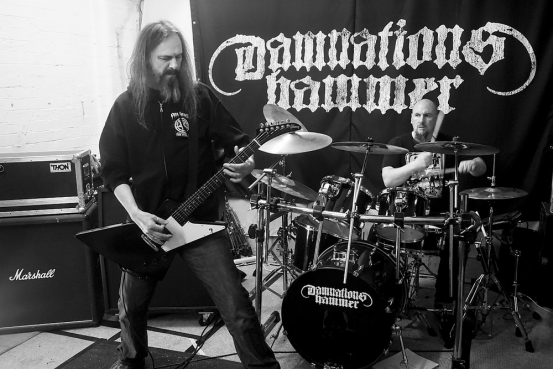
This rebellious nature provides a powerful form of catharsis for fans. The aggressive energy of the music, characterized by distorted guitars, thunderous drums, and powerful vocals, allows for a release of pent-up emotions in a controlled and communal environment, such as a live concert featuring a mosh pit or collective headbanging. It’s a way to confront the darker aspects of life and transform them into a source of strength and empowerment. For many, metal is not about promoting negativity but about acknowledging and overcoming it.
A Voice for the Voiceless
Metal often serves as a platform for marginalized individuals and groups. It creates a space where those who feel like outsiders can find a sense of belonging and identity. The culture embraces individuality and rejects the pressure to conform to mainstream standards of appearance or behavior. This inclusive aspect is a key reason for its enduring appeal, as it offers a community built on mutual respect for shared musical and ideological passions, rather than on societal status or background.

Visual Identity: The Aesthetics of Metal Culture
The visual culture of metal is as iconic and important as the music itself. It’s a deliberate statement of identity that communicates allegiance to the subculture and its values of strength, authenticity, and non-conformity. The aesthetic is a powerful blend of dark imagery, DIY ethics, and intimidating style that creates an instantly recognizable look.
Clothing and Fashion
Metal fashion is practical, durable, and symbolic. It draws heavily from biker and punk subcultures, emphasizing a rugged, anti-establishment look. Key elements include:
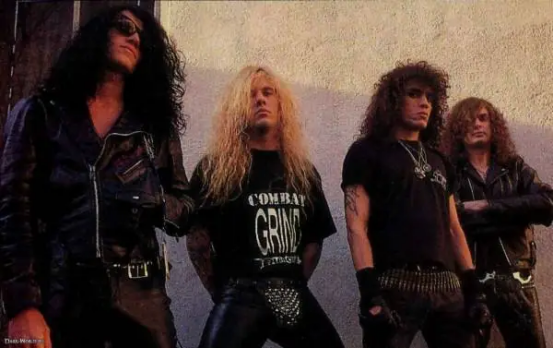
- Band T-Shirts: The most fundamental piece of the metal uniform. Wearing a band’s t-shirt is a declaration of loyalty and a way to connect with other fans. The artwork is often intricate, featuring dark, fantastical, or provocative imagery.
- Leather and Denim: Black leather jackets and denim vests (often called a “battle vest” or “kutte”) are staples. These garments are frequently customized with band patches, studs, and pins, turning them into a personalized chronicle of a fan’s musical journey.
- Combat Boots and Dark Colors: Practical and imposing footwear like combat boots or Dr. Martens is common, complementing an overall color palette dominated by black, which signifies seriousness, rebellion, and a rejection of mainstream fashion’s colorful trends.
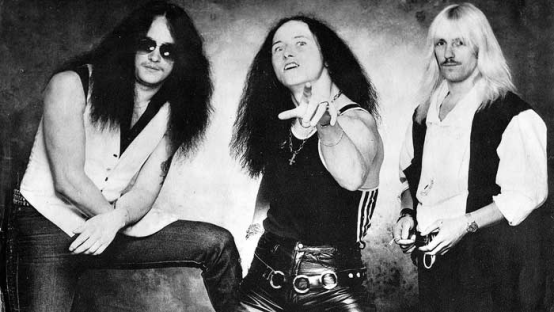
- Long Hair: Traditionally, long hair has been a symbol of rebellion and is closely associated with the act of headbanging. While not a requirement, it remains a prevalent feature of the classic metalhead look for all genders.
Symbols and Iconography
Metal culture employs a range of powerful symbols, some of which are often misunderstood by outsiders. These symbols are used to convey themes of power, defiance, and a fascination with the occult or mythology. Common symbols include the “horns” hand gesture (popularized by Ronnie James Dio), the inverted cross, the pentagram, and various mythological or demonic figures. These are not typically used to promote evil, but rather as tools of rebellion against conventional religious and social authority, representing freedom of thought and a rejection of dogma.

Behind the Veil: The Power and Symbolism of Masks in Metal
Masks and elaborate face paint hold a special place within the visual theater of metal music. They are a powerful tool for artists to transcend their personal identities and create larger-than-life personas that enhance the musical and thematic experience. This practice transforms a concert into a multi-sensory spectacle, where the visual performance is as crucial as the sound.
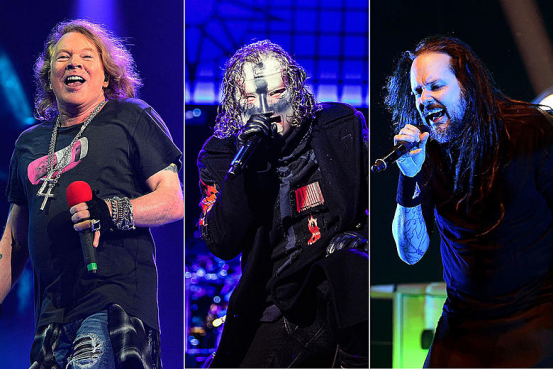
Bands like Slipknot are perhaps the most famous example, with each member’s unique mask representing a facet of their personality or inner turmoil. The masks create a sense of terrifying anonymity and unity, shifting the focus from the individuals to the collective, monstrous entity of the band itself. Similarly, the enigmatic face paint of bands like KISS or black metal pioneers such as Mayhem and Immortal (known as “corpse paint”) is used to evoke feelings of death, winter, and anti-humanism, perfectly complementing their bleak and aggressive sound.
Anonymity, Persona, and Artistic Freedom
The use of masks provides several key functions within the genre. Firstly, it grants anonymity, allowing musicians to separate their private lives from their public personas. This can be a protective measure, but it also liberates them artistically, enabling them to explore darker themes and more extreme performances without personal reservation. Secondly, it creates a distinct and memorable brand identity. The masked visage of Ghost’s Papa Emeritus or the monstrous look of GWAR’s members are instantly recognizable and central to their appeal. Finally, it deepens the audience’s immersion. By obscuring the human face, masks allow fans to project their own interpretations onto the music, making the experience more personal and profound.

A Global Brotherhood: Metal’s Influence Across Borders
While metal originated in the UK and US, its power and appeal have proven to be truly universal. The genre has spread to every corner of the globe, where it is often adapted and fused with local cultures and musical traditions to create unique and vibrant scenes. This global expansion demonstrates that the core themes of metal—frustration, empowerment, and the search for identity—are part of the universal human experience.
Metal in Non-Western Cultures
The reception and expression of metal vary significantly across different cultural landscapes. In many regions, playing or listening to metal is an act of significant social or political defiance.
- Latin America: Boasts some of the most passionate fan bases in the world. Bands like Brazil’s Sepultura famously integrated indigenous tribal rhythms into their thrash metal sound, creating a unique subgenre and putting the region on the global metal map.
- Japan: Known for its highly technical and visually extravagant scenes. The “Visual Kei” movement combines metal and glam rock with androgynous aesthetics, while bands like Babymetal have gained international fame by fusing heavy metal with J-pop.
- The Middle East: Metal scenes exist in many Middle Eastern countries, often underground and in the face of severe social and governmental opposition. For fans and musicians there, metal is a risky but vital form of self-expression and rebellion against strict cultural and religious norms.

Case Study: The Dark Power of Metal in China
The development of metal music in China provides a fascinating case study of the genre’s adaptation within a restrictive political environment. Metal arrived in China relatively late, primarily in the 1980s through “dakou” tapes—cut-out cassette tapes and CDs imported as plastic scrap from the West. This underground circulation allowed a generation of Chinese youth to discover the raw power of bands like Metallica and Megadeth.
From Underground Rebellion to Niche Acceptance
The first major Chinese metal band, Tang Dynasty, emerged in the late 1980s. They pioneered a unique sound by blending Western heavy metal with traditional Chinese musical elements and lyrical themes drawn from Chinese history and poetry. Their success demonstrated that metal could resonate with Chinese audiences. However, the path for metal in China has been fraught with challenges, including government censorship and a lack of mainstream support. The authorities are often suspicious of the genre’s rebellious and counter-cultural themes.
Despite these obstacles, the Chinese metal scene has persevered and diversified. Today, it includes a wide range of subgenres, from folk metal bands like Voodoo-Kungfu, who incorporate traditional folk instruments and spiritual themes, to extreme black metal and death metal acts. The scene remains largely underground but is supported by a dedicated network of fans, small venues, and independent record labels. For Chinese metalheads, the music is a powerful statement of individuality and a connection to a global community in a society that often prioritizes collectivism.
Frequently Asked Questions (FAQ)
- Q1: Is metal music associated with violence and negativity?
- This is a common misconception often fueled by media sensationalism. While the music is aggressive and explores dark themes, the culture itself promotes catharsis, community, and emotional release in a positive way. Studies have shown that metal fans are often intelligent, creative, and gentle individuals. The aggressive energy is a tool for confronting negative emotions, not for causing harm.
- Q2: What is the significance of the “horns” hand gesture in metal?
- The “mano cornuta” or horns gesture was popularized in metal culture by vocalist Ronnie James Dio. He claimed his Italian grandmother used it to ward off the “evil eye.” In the context of metal, it has become a universal sign of appreciation and unity, used by both performers and fans to show their connection to the music and the community during live shows.
- Q3: Why is black the dominant color in metal fashion?
- Black is a core color in the metal aesthetic for several reasons. It represents a rejection of colorful, frivolous mainstream fashion. It is associated with themes of seriousness, death, darkness, and rebellion that are common in metal lyrics. Furthermore, it creates a strong, uniform look that unifies the community while allowing individual expression through band logos and custom patches.
- Q4: How has metal music evolved over the decades?
- Metal is an incredibly diverse genre that has constantly evolved since its inception. It began with the heavy blues-rock of the early 1970s (Black Sabbath, Led Zeppelin) and then splintered into numerous subgenres. The 1980s saw the rise of the New Wave of British Heavy Metal (Iron Maiden), thrash metal (Metallica), and glam metal (Mötley Crüe). The 1990s and 2000s brought even more diversity with death metal, black metal, groove metal, nu-metal, and metalcore, each with its own unique sound and cultural identity.