The Roots of Folk Music and Oral Tradition
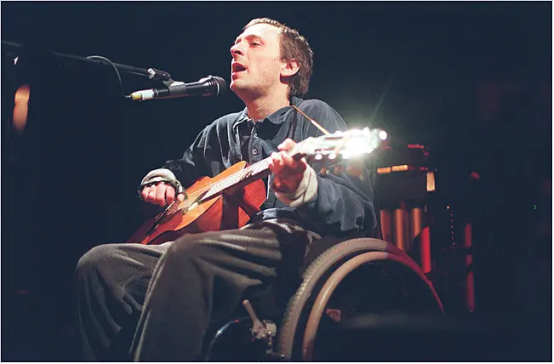
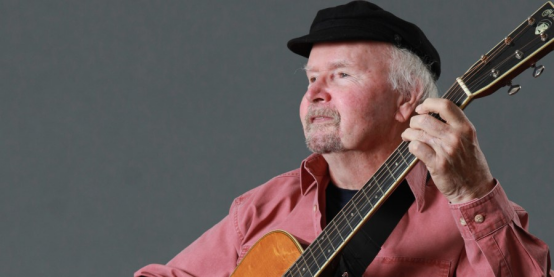
Folk music serves as the foundational narrative of human civilization. Unlike commercialized genres, folk is inherently tied to the community, acting as an oral archive of history, struggle, and cultural identity. It relies on acoustic instrumentation and lyrical depth to convey universal truths.
Key Characteristics of Traditional Folk
- Narrative Focus: Songs are designed to preserve stories, often passed down through generations without formal notation.
- Acoustic Authenticity: The reliance on organic instruments ensures a raw, intimate connection between the performer and the listener.
The Role of Storytelling in Culture
By transforming personal experience into collective memory, folk musicians act as cultural custodians. This genre bridges the gap between the past and the present, ensuring that regional dialects and local legends remain vibrant in an increasingly globalized world.

Jazz: The Soul of Improvisation and Swing
Emerging from the intersections of blues, ragtime, and classical influence, Jazz represents the pinnacle of musical spontaneity. It is less about the rigidity of a written score and more about the “pulse”—the rhythmic heartbeat that dictates the flow of improvisation.
The Mechanics of Improvisation
Improvisation is the act of spontaneous composition. Jazz musicians utilize complex harmonic structures to create new melodic lines in real-time, requiring deep technical mastery and high-level collaborative listening skills.
The Swing Influence
Swing introduced a rhythmic “lilt” that transformed popular music, encouraging dance and physical engagement. It moved music from the parlor to the ballroom, creating a communal experience based on rhythmic syncopation.

The Collision of Electronic Organ and Rock
The mid-20th century saw a paradigm shift as the electronic organ entered the rock arena. This integration challenged the traditional guitar-bass-drums lineup, introducing textures that were previously confined to church or theatrical settings.
Technological Innovation in Rock
The introduction of the Hammond organ and early synthesizers allowed rock bands to experiment with sustained chords and atmospheric soundscapes. This created a “storm on the keyboard” effect, where power chords met the versatility of electronic signal manipulation.
Sonic Expansion and Genre-Bending
By blending the percussive nature of rock with the sustain of the organ, artists were able to produce symphonic-level complexity in a live band setting, paving the way for progressive rock and eventually, electronic dance music.

The EDM Era: Bits and Heartbeats
In the contemporary landscape, Electronic Dance Music (EDM) stands as the successor to the rhythmic traditions of jazz and the technological advancements of rock. It uses digital production suites to curate “listening carnivals” where the audience is fully immersed in synthetic sound.
Synthesizing the Human Experience
Modern EDM utilizes “drops,” build-ups, and intricate layering to manipulate listener emotion. While the process is digital, the goal remains the same as folk music: to create a shared, cathartic experience that resonates with the collective heartbeat of the audience.
The Future of Digital Soundscapes
| Genre | Primary Driver | Traditional Basis |
|---|---|---|
| Folk | Storytelling | Oral Tradition |
| Jazz | Improvisation | Syncopation |
| Rock | Performance | Amplification |
| EDM | Production | Digital Synthesis |
Frequently Asked Questions (FAQ)
- Q1: How does folk music influence modern electronic music?
- Modern EDM often utilizes “organic” samples and storytelling structures inherited from folk, proving that the core desire for narrative remains constant regardless of the medium.
- Q2: Why is improvisation central to Jazz?
- Improvisation allows for individual expression within a collective framework, making every performance of a jazz piece a unique, one-time event.
- Q3: Did the electronic organ change the structure of rock songs?
- Yes, it allowed for longer, more melodic, and texturally dense compositions that moved rock music beyond simple chord progressions.
- Q4: What is the significance of the “drop” in EDM?
- The drop functions as a climactic release of tension, serving a similar emotional purpose to the solo sections in jazz or the emotional peaks in folk ballads.