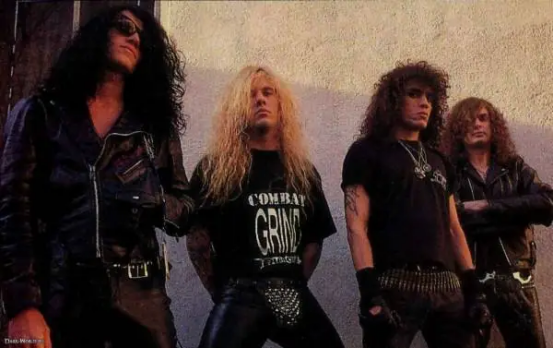
Metal music, often characterized by its aggressive, powerful, and intense sound, is a global phenomenon that transcends mere genre classification. It represents a vast and intricate cultural landscape, built upon a foundation of heavy guitar riffs, thunderous drumming, and often extreme vocal styles. Far from a monolithic entity, metal music encompasses a staggering array of subgenres, each with its own distinctive sonic patterns, lyrical preoccupations, and philosophical underpinnings. This guide aims to provide a comprehensive exploration, dissecting the core elements that define metal, from the raw collaboration between instruments to the profound narratives woven into its lyrical tapestry, and the innovative fusions that continually push its boundaries.
The Sonic Architecture of Metal: Instruments and Production
The distinctive sound of metal music is not accidental; it is a meticulously crafted sonic architecture built upon specific instrumental roles and production techniques. At its heart lies a powerful interplay, particularly between the guitars and drums, creating a dense, often overwhelming, auditory experience.
Guitar and Bass Dominance: Riffs, Tunings, and Distortion
The electric guitar is arguably the most iconic instrument in metal, serving as the primary generator of riffs that define a song’s character and aggression. Metal guitarists frequently employ heavily distorted tones, achieved through various pedals and amplifiers, to create a thick, abrasive sound. The choice of tuning is also crucial, with many subgenres opting for drop tunings (e.g., Drop D, Drop C) or even lower tunings (e.g., Baritone guitars in B or A) to achieve a heavier, darker resonance. This lower tuning allows for chugging riffs and an overall more menacing sonic profile. The bass guitar, while often less prominent in the mix than guitars, provides the critical low-end foundation, adding weight and depth to the sound. Its role is not merely to follow the guitar but to interlock with the drums, creating a rhythmic backbone that drives the music forward.
- Power Chords: The cornerstone of metal guitar playing, offering a powerful, resonant sound with fewer notes, ideal for heavy riffing.
- Palm-Muting: A technique used to create a tight, percussive “chug” sound, essential for rhythmic intensity and aggression.
- Harmonics: Both natural and artificial harmonics are frequently used to add texture, squeals, and atmospheric elements to riffs and solos.
Drumming Intensity: Speed, Complexity, and Double Bass
Metal drumming is characterized by its remarkable speed, precision, and endurance. Drummers are often tasked with providing a relentless rhythmic drive, frequently employing advanced techniques to achieve this intensity. The double bass pedal is a hallmark of many metal subgenres, allowing drummers to play rapid, continuous sixteenth notes on the bass drum, creating a powerful, driving rhythm that underpins fast guitar riffs. Blast beats, another extreme drumming technique, involve extremely fast and synchronized snare and bass drum hits, often used in genres like death metal and black metal to convey overwhelming intensity and chaos. Beyond sheer speed, metal drumming also incorporates complex polyrhythms, intricate fills, and dynamic shifts to maintain listener engagement and contribute to the overall structural integrity of the music.
The collaboration between guitar and drums is paramount in metal. Riffs are often constructed with the drum beat in mind, creating a tight, synchronized attack that enhances the music’s impact. The drummer’s ability to lock into the guitarists’ often complex rhythmic patterns is what gives metal its characteristic precision and power.
Vocal Extremes: Growls, Screams, and Operatic Styles
Metal vocals are incredibly diverse, ranging from traditional clean singing to highly aggressive and unconventional techniques. Guttural growls and high-pitched screams are prevalent in extreme metal subgenres like death metal and black metal, respectively. These techniques are not just about aggression; they are used to convey raw emotion, despair, anger, and often to create a sense of horror or otherworldliness. In contrast, power metal often features soaring, operatic clean vocals, while progressive metal vocalists may employ a wide range of styles, sometimes within a single song. The vocal delivery is integral to the thematic content, amplifying the mood and message of the lyrics.
Production Techniques: Amplification and Mixing for Impact
The sound of metal is also heavily influenced by recording and mixing techniques. Engineers often prioritize a “wall of sound” approach, where multiple layers of guitars are recorded to create a thick, dense texture. Compression is heavily used to maximize the impact and sustain of instruments, especially drums and guitars. Modern production increasingly leverages digital tools to achieve precise, powerful, and often highly polished sounds, while still retaining the raw energy that defines the genre. The goal is always to deliver maximum sonic impact, whether through crushing heaviness or piercing clarity.

Subgenres and Their Distinctive Sound Patterns: Exploring Variety
The beauty and complexity of metal music truly shine through its myriad subgenres, each evolving its own unique sonic identity. These distinctions are not merely stylistic but often reflect different philosophical stances, cultural influences, and musical innovations.
Death Metal’s Extreme and Violent Sonics
Death metal emerged in the mid-1980s as a more extreme, aggressive, and technically proficient offshoot of thrash metal. Its sound pattern is characterized by several key elements that contribute to its “extreme and violent” reputation:
- Highly Distorted, Down-Tuned Guitars: Often tuned to D, C, or even lower, creating a heavy, guttural resonance. Riffs are typically complex, fast, and often dissonant, featuring tremolo picking and intricate melodic lines over a brutal rhythmic foundation.
- Guttural Vocals: The signature “death growl,” a deep, guttural vocalization that often renders lyrics unintelligible without a lyric sheet. This vocal style contributes significantly to the genre’s dark and menacing atmosphere, evoking imagery of horror and decay.
- Blast Beats and Complex Drumming: Drummers utilize blast beats extensively, alongside intricate fills and rapid double bass drumming, creating a relentless and often chaotic percussive assault. The drumming is not just fast but often technically demanding, requiring immense precision and stamina.
- Abrupt Tempo Changes and Complex Song Structures: Death metal songs often feature multiple sections, with sudden shifts in tempo and rhythm, moving from blistering speed to slower, crushing breakdowns. This structural complexity adds to the genre’s challenging and immersive nature.
- Lyrical Themes: Predominantly focused on themes of death, gore, violence, anti-religion, horror, and existential dread. The lyrical content is often graphic and confrontational, designed to shock and provoke thought.
Specific examples like the technicality of bands like Death, the brutal force of Cannibal Corpse, or the melodic intricacies of early At The Gates showcase the diverse interpretations within the death metal sound.
Electronic Metals: The Fusion of Industry and the Future
Electronic metal, or industrial metal as it’s often known, represents a fascinating fusion where the raw power of metal meets the synthetic textures and rhythmic precision of electronic and industrial music. This genre is defined by its innovative integration of technology into the traditional metal framework.
- Synthesizers and Samples: Electronic elements are not just ornamental; they are often integral to the song’s structure and atmosphere. Synthesizers provide dark, atmospheric pads, aggressive arpeggios, or even lead melodies. Samples, ranging from industrial noises (e.g., machinery, clangs, drills) to spoken word snippets, are used to create dystopian soundscapes or to add rhythmic complexity.
- Machine-Like Rhythms: While live drumming is often present, electronic drum machines and programmed beats are frequently used to achieve a precise, mechanistic, and often repetitive rhythmic quality that mimics industrial processes. This creates a hypnotic yet powerful groove.
- Heavy, Repetitive Riffs: Guitar riffs in electronic metal often lean towards a more repetitive, rhythmic, and sometimes simpler structure than in other metal genres, designed to lock in with the electronic elements and create a monolithic, grinding sound.
- Thematic Content: Lyrical themes often revolve around technology, dehumanization, societal critique, industrial decay, dystopian futures, and psychological torment, reflecting the cold, mechanical sound.
Pioneers like Godflesh, Ministry, and later bands like Rammstein exemplify how electronic elements can enhance metal’s aggression and expand its expressive range, creating something that is both recognizably metal and distinctly futuristic.
Other Key Subgenres: A Spectrum of Sound
The metal landscape is incredibly broad, with each subgenre offering a unique interpretation of heaviness and aggression:
- Thrash Metal: Known for its fast tempos, aggressive riffs, and often socio-political lyrics. Bands like Metallica, Slayer, and Megadeth defined this sound.
- Black Metal: Characterized by raw production, tremolo-picked guitars, blast beats, high-pitched shrieking vocals, and themes of misanthropy, anti-Christianity, and nature.
- Power Metal: Features melodic, often high-pitched clean vocals, anthemic choruses, fantasy-oriented lyrics, and fast, technically proficient guitar work.
- Doom Metal: Emphasizes slow tempos, heavy, crushing riffs, and a pervasive sense of dread and despair.
- Progressive Metal: Defined by complex song structures, unconventional time signatures, virtuoso musicianship, and often conceptual lyrical themes.

Lyrical Themes: Darkness, Philosophy, and Social Commentary
Beyond the formidable sonic assault, metal music distinguishes itself through its often profound and challenging lyrical content. While frequently stereotyped as solely aggressive or nihilistic, metal lyrics delve into a rich tapestry of themes, exploring the human condition from multiple, often dark or philosophical, perspectives.
Exploration of Dark Themes: Anguish, Despair, and Horror
Many metal subgenres, particularly extreme ones, embrace themes of darkness, anguish, and despair. This is not merely for shock value but often serves as a cathartic exploration of difficult emotions and uncomfortable realities. Lyrics might depict:
- Existential Anguish: The pain of existence, the search for meaning in a meaningless world.
- Horror and the Macabre: Drawing inspiration from literature and film, lyrics often delve into graphic depictions of violence, gore, and supernatural horror, especially in death metal.
- Personal Struggle: Battles with mental illness, addiction, loss, and internal demons are common subjects, offering a raw and unflinching look at human vulnerability.
This engagement with darkness allows both artists and listeners to confront and process aspects of life that are often suppressed or ignored in mainstream culture, providing a unique form of emotional release and introspection.
Philosophical Underpinnings: Existentialism and the Human Condition
Metal music frequently grapples with complex philosophical questions, offering critiques of societal norms, religious dogma, and the very nature of human existence. Bands might explore:
- Nihilism: The belief that life is without objective meaning, purpose, or intrinsic value. This often manifests in lyrics that question authority and conventional morality.
- Atheism/Anti-Theism: A direct challenge to organized religion, often criticizing its hypocrisy, dogma, or perceived oppressive nature. Black metal, in particular, has strong anti-religious themes.
- Human Nature: An examination of humanity’s capacity for good and evil, often focusing on the darker aspects like cruelty, greed, and the destructive impulse.
These philosophical explorations elevate metal lyrics beyond simple storytelling, positioning the genre as a vehicle for intellectual inquiry and critical thought, challenging listeners to question their own beliefs and perceptions.
Social and Political Critique: Anti-Establishment and Environmental Concerns
From its early days, metal has often served as a voice for the disaffected, offering sharp social and political commentary. Lyrics frequently express:
- Anti-Establishment Sentiments: A distrust of government, corporations, and other powerful institutions, criticizing corruption, warfare, and injustice. Thrash metal, in particular, has a strong tradition of political lyrics.
- Environmentalism: Concerns about ecological destruction, pollution, and humanity’s impact on the planet, often presented with a sense of urgency and despair.
- War and Conflict: Graphic depictions and critiques of war, its futility, and its devastating human cost.
This critical lens allows metal to function as a form of protest music, channeling anger and frustration into powerful artistic statements that resonate with those who feel marginalized or unheard.
Storytelling and Mythology: Epic Narratives and Ancient Lore
Beyond direct commentary, many metal bands engage in intricate storytelling, drawing from mythology, fantasy literature, history, and personal narratives. This includes:
- Epic Sagas: Power metal and progressive metal often feature long, multi-part songs or concept albums that tell elaborate stories of heroes, battles, and mythical realms.
- Historical Events: Lyrics might recount historical battles, political upheavals, or significant cultural moments, often with a dramatic and intense flair.
- Personal Narratives: Some bands use fictionalized or allegorical stories to explore personal struggles, psychological states, or societal issues in a more abstract way.
This narrative depth adds another layer of engagement, allowing listeners to immerse themselves in rich, imaginative worlds that complement the intensity of the music.

The Evolution and Future of Metal Music: Adapting and Innovating
Metal music is not static; it is a constantly evolving entity, adapting to new technologies, cultural shifts, and the creative impulses of new generations of musicians. Its journey from nascent beginnings to a global phenomenon is marked by continuous innovation and diversification.
Historical Milestones: From Black Sabbath to Modern Innovators
The genesis of metal is widely attributed to Black Sabbath in the late 1960s, whose heavy riffs, dark lyrics, and blues-infused sound laid the groundwork. The 1970s saw the rise of bands like Led Zeppelin and Deep Purple, further solidifying hard rock and early metal sounds. The New Wave of British Heavy Metal (NWOBHM) in the late 70s and early 80s, featuring bands like Iron Maiden and Judas Priest, injected speed, technicality, and a more aggressive edge, paving the way for the explosion of subgenres in the mid-80s, including thrash, death, and black metal. Each decade since has witnessed new waves of innovation, from the groove-oriented sounds of the 90s to the progressive and highly technical bands of the 21st century, demonstrating metal’s remarkable capacity for reinvention.
Technological Integration: Digital Production and Electronic Elements
The advent of digital music production has profoundly impacted metal. Modern studios offer unprecedented control over sound, allowing for complex layering, pristine clarity, and the creation of incredibly dense sonic textures. This has facilitated the rise of genres like electronic metal, where synthesizers, samples, and programmed beats are seamlessly integrated with traditional metal instrumentation. Bands now utilize advanced software for guitar modeling, drum programming, and vocal effects, pushing the boundaries of what is sonically achievable. The digital age has also democratized music production, allowing independent artists to create high-quality recordings and distribute their music globally, fostering even greater diversity within the genre.
Global Reach and Cultural Impact: Expanding Influence
Initially a Western phenomenon, metal music has achieved a truly global reach. Bands and fan bases have emerged in virtually every corner of the world, from the thriving scenes in Scandinavia and Germany to burgeoning movements in Asia, South America, and Africa. This global expansion has led to unique cultural fusions, where traditional folk instruments or regional musical styles are incorporated into metal, creating entirely new subgenres like folk metal or oriental metal. Metal festivals attract hundreds of thousands of fans worldwide, showcasing the genre’s immense cultural impact and its ability to unite diverse communities through shared passion for intense, thought-provoking music. The genre continues to inspire new artistic expressions, challenging norms and offering a powerful voice for a global audience.

Conclusion: The Enduring Power of Metal Music
Metal music stands as a testament to the power of artistic expression, a genre that has continuously defied expectations and pushed the boundaries of sound and thematic depth. From the raw, collaborative energy between guitars and drums that forge its sonic identity, to the extreme and violent sound patterns of death metal, the industrial fusion of electronic metals, and the profound philosophical and dark narratives woven into its lyrics, metal offers an unparalleled richness. It is a genre that demands attention, rewards deep listening, and provides a powerful outlet for both artists and fans to explore complex emotions, challenge societal norms, and celebrate a unique form of musical artistry. As it continues to evolve and embrace new influences, the enduring power and cultural significance of metal music remain undeniable, promising a future as dynamic and intense as its past.
Frequently Asked Questions (FAQ)
- Q1: What are the defining characteristics of metal music’s sound?
- Metal music is defined by its heavy, distorted electric guitar riffs, powerful and often complex drumming (frequently utilizing double bass pedals and blast beats), and a wide range of vocal styles from clean singing to guttural growls and high-pitched screams. Lower tunings, aggressive tempos, and a focus on instrumental collaboration for maximum impact are also key.
- Q2: How do subgenres like Death Metal and Electronic Metal differ in their sonic approach?
- Death Metal is characterized by extremely distorted, down-tuned guitars, guttural vocals, blast beats, and complex, often dissonant song structures, focusing on themes of death and horror. Electronic Metal (Industrial Metal) fuses traditional metal with synthesizers, samples, and programmed, machine-like rhythms, often exploring themes of technology, dehumanization, and dystopian futures, creating a more synthetic and mechanistic sound.
- Q3: Are metal lyrics always about darkness and aggression?
- While darkness and aggression are prevalent themes, metal lyrics are far more diverse. They often delve into profound philosophical questions (existentialism, nihilism), social and political commentary (anti-establishment, environmental concerns), historical events, and epic storytelling (mythology, fantasy). The “darkness” often serves as a vehicle for deep introspection and critique.
- Q4: What role does instrumental collaboration play in metal music?
- Instrumental collaboration, particularly between guitars and drums, is crucial. Guitar riffs are often designed to lock in with complex drum patterns, creating a synchronized, powerful rhythmic foundation. The bass guitar provides a vital low-end anchor, complementing both the drums and guitars. This tight interplay is essential for achieving metal’s characteristic density, precision, and aggressive impact.
- Q5: How has technology influenced the evolution of metal music?
- Technology has significantly shaped metal’s evolution, particularly through digital music production. It allows for advanced layering, precise mixing, and the integration of electronic elements like synthesizers and samples, leading to new subgenres and soundscapes. Digital tools have also made high-quality production more accessible, fostering greater diversity and global reach for metal artists.
Related Posts
The Ultimate Guide to Metal and Film: From The Dark Knight to Alien
Dive deep into the compelling, often dark, synergy between heavy metal music and cinematic storytelling. This ultimate guide explores how…
The Evolution of Metal Music: From Industrial Roots to Modern Subgenres
An exhaustive exploration of heavy metal's history, tracing its journey from the industrial landscape of Birmingham to the emergence of…

The Global Culture of Metal Music: A Deep Dive into Its Symbols, Impact, and Worldwide Influence
Beyond the thunderous riffs and guttural vocals lies a rich, global culture defined by rebellion, community, and a powerful visual…