Heavy metal is not merely a genre of music; it is a profound cultural phenomenon that emerged from the soot and steel of post-war industrial landscapes. Characterized by distorted guitars, emphatic rhythms, and a sense of rebellion, it has evolved from a niche movement into a global tapestry of diverse subgenres. This comprehensive guide explores the intricate history of metal, the technical shifts that separated it from classic rock, and the legendary figures who forged its identity.
The Industrial Origins of Heavy Metal
The genesis of heavy metal is inextricably linked to the industrial city of Birmingham, England, in the late 1960s. The repetitive, heavy thud of machinery and the bleak economic outlook of the working class provided the sonic and emotional blueprint for what would become the world’s loudest music. This era was marked by a desire to break away from the flower-power optimism of the 1960s, replacing it with a grittier, more realistic reflection of life.
The Birmingham Sound and Black Sabbath
Black Sabbath is widely credited with inventing the heavy metal sound. When Tony Iommi lost the tips of his fingers in a factory accident, he was forced to downtune his guitar and use lighter strings, creating a darker, heavier tone. This accidental innovation, combined with Geezer Butler’s occult-inspired lyrics and Bill Ward’s jazz-influenced yet thunderous drumming, birthed a new aesthetic. The use of the “Diabolus in Musica” or the tritone—a musical interval once banned by the medieval church for its dissonant, “evil” sound—became the cornerstone of the genre’s harmonic language.

The Divergence of Metal and Classic Rock
While heavy metal grew out of the blues-rock tradition, it eventually diverged into a distinct entity. Classic rock, represented by bands like The Rolling Stones or The Who, maintained a strong connection to blues structures and swing. In contrast, metal intensified the volume, increased the distortion, and moved toward more rigid, driving rhythms. The transition was not instantaneous but a gradual hardening of the musical shell.
Structural and Tonal Differences
The primary difference lies in the treatment of the riff. In classic rock, riffs are often melodic and blues-based. In heavy metal, the riff becomes a rhythmic engine, often played with palm-muted “chugging” and power chords. Furthermore, metal vocals began to move away from the soulful delivery of the blues toward more aggressive, operatic, or even guttural styles, reflecting the intensity of the instrumental backdrop.

Led Zeppelin’s Influence on Heavy Sound
Led Zeppelin is often debated as either the last great classic rock band or the first true heavy metal band. Their contribution to the genre’s DNA is undeniable. Jimmy Page’s production techniques, specifically his use of ambient miking for drums and layered guitar tracks, created a “wall of sound” that provided the template for metal’s massive sonic presence.
The Power of the Power Chord
Songs like “Whole Lotta Love” and “Immigrant Song” showcased the power of the repetitive, heavy riff. John Bonham’s drumming, characterized by its sheer weight and behind-the-beat groove, gave the music a physical impact that classic rock had previously lacked. While Led Zeppelin retained deep acoustic and folk influences, their “heavy” side set the stage for the genre’s expansion.

The Sonic Architecture of Early Metal
The early 1970s saw a refinement of the metal sound. This period was defined by the “Big Three”: Black Sabbath, Led Zeppelin, and Deep Purple. Each band contributed a different element to the architecture. Deep Purple introduced classical music influences and high-speed virtuosity, particularly through the keyboard work of Jon Lord and the guitar mastery of Ritchie Blackmore.
Technical Comparison of Genres
| Feature | Classic Rock | Heavy Metal |
|---|---|---|
| Guitar Tone | Overdriven/Crunchy | High Distortion/High Gain |
| Rhythm | Swing/Bluesy | Driving/Straight/Aggressive |
| Lyrical Themes | Love, Life, Social Issues | Fantasy, Horror, Philosophy, Rebellion |
| Song Structure | Verse-Chorus-Bridge | Complex, Multi-sectional, Riff-heavy |

The Cultural Rebellion of the 1970s
Metal music became a sanctuary for those who felt alienated by mainstream society. During the 1970s, as the UK and US faced economic stagnation and social unrest, metal’s aggressive sound provided an outlet for frustration. It was a “cultural symbol” of rebellion, often misunderstood by the media as being purely about darkness, when in fact it was about empowerment and community.
The “Devil’s Interval” and Symbolism
The use of the tritone mentioned earlier was complemented by visual symbolism. Bands began to use imagery from horror films, mythology, and the occult. This wasn’t necessarily an endorsement of these themes but a way to shock the establishment and create a distinct “outsider” identity for the fans.

Deep Purple and the Virtuosity of Metal
Deep Purple brought a level of technical sophistication to metal that elevated the genre. Their 1970 album, In Rock, is a foundational text. Ritchie Blackmore’s neo-classical guitar solos and Ian Gillan’s incredible vocal range—capable of soaring screams—pushed the boundaries of what a rock band could achieve. This focus on individual skill would later lead to the “shred” guitar movement of the 1980s.

The Rise of the New Wave of British Heavy Metal
By the late 1970s, the original metal pioneers were aging or changing styles. In response, a new generation of bands emerged in the UK, known as the New Wave of British Heavy Metal (NWOBHM). This movement stripped away the remaining blues influences and replaced them with the speed and DIY energy of punk rock, creating a faster, leaner version of metal.
Iron Maiden and the Galloping Rhythm
Iron Maiden became the standard-bearers of this movement. With Steve Harris’s distinctive “galloping” bass lines and Bruce Dickinson’s operatic vocals, they introduced complex storytelling and historical themes. Their mascot, Eddie, became an iconic symbol of the genre, proving that metal could be as much about visual branding as it was about the music.

Judas Priest and the Leather-and-Studs Aesthetic
If Black Sabbath gave metal its sound, Judas Priest gave it its look. Rob Halford introduced the leather-and-studs aesthetic, borrowed from the subcultures of London, which became the universal uniform for metalheads. Musically, Judas Priest refined the twin-guitar attack, with K.K. Downing and Glenn Tipton creating intricate, harmonized leads that defined the sound of 1980s metal.

The Birth of Extreme Metal: The First Wave
As the 1980s progressed, a faction of the metal community sought to push the genre to its absolute limits of speed and darkness. This led to the birth of “Extreme Metal.” The “First Wave” of black metal and thrash metal began simultaneously, with bands like Venom, Bathory, and Hellhammer discarding traditional melody in favor of raw, abrasive soundscapes.
Venom and the Naming of Black Metal
The English band Venom released their second album, Black Metal, in 1982. While their sound was technically closer to speed metal or thrash, their satanic lyrics and “low-fi” production style gave a name to a burgeoning movement. They prioritized energy and shock value over technical perfection, a philosophy that would later define the Norwegian scene.

Bathory and the Scandinavian Influence
Quorthon, the mastermind behind the Swedish band Bathory, is arguably the most influential figure in extreme metal. His early work perfected the “shrieked” vocal style and the blizzard-like guitar tone that became black metal staples. Later, he transitioned into “Viking Metal,” incorporating epic themes of Norse mythology and folk melodies, showing that extreme metal could also be atmospheric and grand.

The Norwegian Second Wave: A Dark Legacy
In the early 1990s, the “Second Wave” of black metal emerged from Norway. This movement was characterized by a strict “anti-commercial” stance and a commitment to extreme ideologies. Bands like Mayhem, Burzum, Darkthrone, and Emperor created a sound that was deliberately harsh, often recorded with poor equipment to maintain “purity.”
Mayhem and the Philosophy of Black Metal
Mayhem is perhaps the most notorious band in the history of the genre. Their story involves real-life tragedies, including the suicide of vocalist Dead and the murder of guitarist Euronymous by Varg Vikernes (Burzum). Despite the controversy, their album De Mysteriis Dom Sathanas is considered a masterpiece of the genre, featuring complex drumming by Hellhammer and haunting, operatic vocals by Attila Csihar.

The Technical Evolution of Metal Subgenres
As metal matured, it splintered into dozens of subgenres, each with its own technical requirements and fanbases. The evolution was driven by both geographical scenes and technological advancements in guitar amplification and drum triggers.
- Thrash Metal: Focused on high-speed tremolo picking and complex song structures. Defined by the “Big Four”: Metallica, Slayer, Megadeth, and Anthrax.
- Death Metal: Took the aggression of thrash and added guttural “growled” vocals and “blast beat” drumming. Focuses on themes of mortality and gore.
- Doom Metal: A return to the slow, heavy roots of Black Sabbath. Bands like Candlemass and Saint Vitus emphasized atmosphere and crushing weight over speed.

Power Metal: Fantasy and High Octave Vocals
In stark contrast to the darkness of black and death metal, Power Metal emerged as an uplifting, melodic subgenre. Drawing heavily from NWOBHM and classical music, power metal features clean, high-pitched vocals, “galloping” rhythms, and lyrics focused on fantasy, mythology, and triumph. Bands like Helloween, Blind Guardian, and DragonForce exemplify this style’s technicality and epic scale.

Nu-Metal and the Fusion of Modern Styles
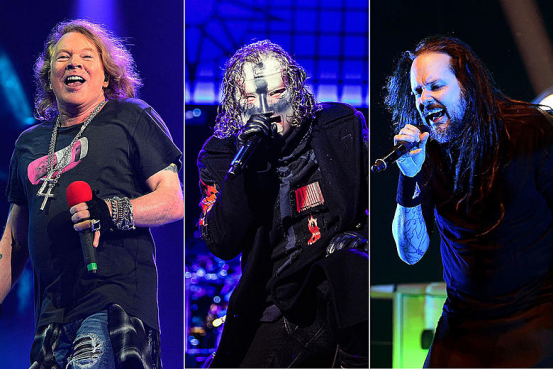
In the late 1990s and early 2000s, metal began to fuse with other genres such as hip-hop, industrial, and alternative rock. This era, known as Nu-Metal, brought the genre back into the mainstream. Bands like Korn, Linkin Park, and Slipknot focused on rhythmic “groove” and emotional vulnerability, reaching a massive new audience while polarizing traditional metal fans.

Metal as a Global Cultural Symbol
Today, metal is a global language. From the “Samba Metal” of Brazil (Sepultura) to the folk-infused metal of Japan and Mongolia (The Hu), the genre has proven its ability to adapt to different cultures. It remains a symbol of resilience, technical excellence, and a refusal to conform to mainstream musical trends.

Frequently Asked Questions (FAQ)
- Q1: What is the main difference between classic rock and heavy metal?
- The primary differences lie in the level of distortion, the rhythmic structure, and the vocal style. Heavy metal uses significantly more gain (distortion), focuses on driving, non-swinging rhythms, and often employs more aggressive or operatic vocal techniques compared to the blues-based roots of classic rock.
- Q2: Why is Black Sabbath considered the first heavy metal band?
- Black Sabbath was the first band to consistently use the tritone (the devil’s interval), downtuned guitars for a heavier sound, and occult-themed lyrics. While other bands had “heavy” elements, Sabbath was the first to combine them into a cohesive aesthetic that defined the genre.
- Q3: What are the “Big Four” of Thrash Metal?
- The “Big Four” refers to the four bands that dominated and defined the thrash metal scene in the 1980s: Metallica, Slayer, Megadeth, and Anthrax. They are credited with bringing extreme metal to a wider audience.
- Q4: How did Black Metal get its name?
- The name originates from the 1982 album Black Metal by the English band Venom. Although Venom’s sound was closer to speed metal, their satanic imagery and raw production laid the groundwork for the genre that would later be refined in Norway.
- Q5: Is Led Zeppelin a heavy metal band?
- Led Zeppelin is often considered a “bridge” band. While they were a classic rock band with deep blues and folk roots, their heavy riffs, loud volume, and production techniques were instrumental in creating the blueprint for heavy metal.