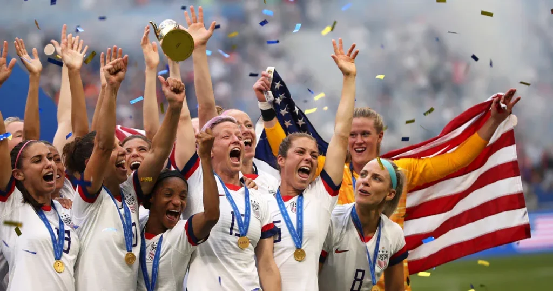
The story of women’s soccer in the United States is one of resilience, pioneering spirit, and unparalleled achievement. From humble beginnings on dusty fields to global dominance on the Olympic stage, the U.S. Women’s National Team (USWNT) has not only redefined athletic excellence but also championed equality and inspired generations. This ultimate guide unpacks the historical context, chronicles the pivotal moments, celebrates the legendary figures, and analyzes the strategic pathways that have paved Team USA’s road to the Olympics, solidifying their status as true pioneers.
The Genesis of Greatness: Early Struggles and Title IX’s Rise
Before the roar of packed stadiums and the gleam of Olympic medals, women’s soccer in the United States faced significant hurdles. For much of the 20th century, organized sports for girls and women were often neglected or actively discouraged, seen as unfeminine or less important than their male counterparts. Funding was scarce, facilities were substandard, and opportunities for competitive play were minimal. The prevailing cultural narrative prioritized men’s sports, leaving aspiring female athletes with limited pathways to pursue their passion.
Pre-Title IX Landscape: A Barren Field
In the decades leading up to the 1970s, women’s soccer existed largely in informal leagues or through isolated club teams. Access to coaching, proper equipment, and competitive structures was a luxury. Girls who wanted to play often had to join boys’ teams, if any were available, or simply play recreationally without the promise of advancement. This period was characterized by a lack of institutional support, which severely hampered the development of talent and the growth of the sport nationwide.
Title IX: A Game-Changer and Its Profound Impact
The landscape began to shift dramatically with the passage of Title IX of the Education Amendments of 1972. This landmark federal law prohibited sex-based discrimination in any education program or activity receiving federal financial assistance. While not explicitly about sports, Title IX’s mandate had a revolutionary effect on athletic opportunities for women and girls. It compelled schools and universities to provide equitable resources, facilities, and scholarships for female athletes, fundamentally altering the trajectory of women’s sports. For soccer, this meant an explosion in participation at the youth, high school, and collegiate levels, laying the essential groundwork for the future USWNT. The “why” behind Team USA’s later success is inextricably linked to this legislative act, which created a deep talent pool previously unimaginable.

Forging the USWNT: The Birth of a Dynasty
With the foundational changes brought by Title IX, the stage was set for the emergence of a national team. The U.S. Women’s National Team was officially formed in 1985, initially facing an uphill battle against more established international teams. However, the American spirit of determination, combined with a growing pool of athletic talent, quickly propelled them onto the global stage. This era marked the transition from nascent ambition to undeniable excellence, culminating in groundbreaking victories that would define a generation.
The 1991 World Cup Breakthrough: Announcing Arrival
The inaugural FIFA Women’s World Cup in 1991, held in China, was a watershed moment. Under coach Anson Dorrance, the USWNT, featuring stars like Michelle Akers, Mia Hamm, and April Heinrichs, showcased an aggressive, physically dominant style of play that caught the world by surprise. Their triumphant victory over Norway in the final, securing the first-ever Women’s World Cup title, was not just a win; it was a powerful declaration of intent. It proved that American women could compete and win at the highest international level, igniting national interest and laying the psychological foundation for future success.
Atlanta 1996: Olympic Gold and Global Recognition
Building on their World Cup success, the USWNT faced another monumental challenge: the first-ever women’s soccer tournament at the Olympic Games in Atlanta 1996. This was a critical test, not only for the team but for the sport’s inclusion in one of the world’s most prestigious athletic events. The team, galvanized by the home crowd and a relentless drive, navigated a tough tournament, ultimately defeating China in a thrilling final to claim the gold medal. This Olympic triumph was crucial for several reasons: it brought women’s soccer into the mainstream American consciousness, inspired a new generation of girls to play, and solidified the USWNT’s reputation as a dominant force. It also provided a template for future Olympic qualification and preparation, highlighting the importance of mental fortitude and strategic planning.

Iconic Eras and Legendary Figures
The USWNT’s journey to Olympic prominence is punctuated by distinct eras, each defined by a core group of players who pushed the boundaries of the sport and captured the hearts of fans worldwide. These legendary figures were not just exceptional athletes; they were cultural icons who used their platform to advocate for greater recognition and equality, embodying the pioneering spirit of the team.
The 99ers: A Cultural Phenomenon
The 1999 FIFA Women’s World Cup, hosted in the United States, stands as perhaps the most iconic moment in USWNT history. The team, affectionately known as the “99ers,” captivated the nation, drawing unprecedented crowds and media attention. Led by stars like Mia Hamm, Brandi Chastain, Julie Foudy, and Michelle Akers, their dramatic penalty shootout victory over China in the final at the Rose Bowl became a defining moment for women’s sports globally. This era not only brought another World Cup trophy but also transformed the players into household names, demonstrating the immense power and appeal of women’s soccer. Their influence extended far beyond the pitch, inspiring millions and setting new benchmarks for female athletic achievement and advocacy.
Modern Maestros: Sustaining Dominance and Advocacy
Following the 99ers, subsequent generations of USWNT players continued to uphold the legacy of excellence while also taking on new challenges. Players like Abby Wambach, Carli Lloyd, Megan Rapinoe, and Alex Morgan have not only delivered multiple Olympic gold medals and World Cup titles but have also been vocal champions for equal pay and better working conditions for female athletes. Their era has seen the professionalization of women’s soccer grow with the NWSL, increased global competition, and a continued fight for equitable treatment within the sport. These modern maestros demonstrate that pioneering is not a one-time event but an ongoing commitment to progress and sustained excellence.

The Olympic Qualification Gauntlet: Road to the Games
While the USWNT’s storied history is filled with triumphs, the path to each Olympic Games is never a given. The qualification process is a rigorous and demanding gauntlet, testing the team’s depth, strategy, and mental resilience. Understanding this process is key to appreciating the intensity and pressure faced by the players and coaching staff in every Olympic cycle.
CONCACAF Olympic Qualifying Tournament Explained
For North, Central American, and Caribbean teams, the primary route to the Olympics is through the CONCACAF Women’s Olympic Qualifying Tournament. This competition typically features the top teams from the region battling for a limited number of berths (usually two) in the Olympic Games. The format often involves group stages followed by knockout rounds, with the finalists earning their spot. The stakes are incredibly high, as a single misstep can mean missing out on the quadrennial global spectacle. The “why” behind intense preparation for this tournament is clear: it is the direct gateway to achieving their Olympic dreams.
Key Challenges and Strategic Preparations
The qualification process presents several challenges:
- Intense Schedule: Teams often play multiple high-stakes matches in a short period, demanding peak physical conditioning and tactical flexibility.
- Opponent Variety: Facing diverse playing styles from different CONCACAF nations requires adaptability and thorough scouting.
- Psychological Pressure: The weight of expectations and the “do-or-die” nature of knockout games can be immense.
- Squad Rotation and Depth: Coaches must manage player fatigue and potential injuries, relying on the strength of their entire roster.
Strategic preparations involve extensive training camps, detailed opponent analysis, and careful squad selection. Emphasis is placed on developing chemistry, refining set pieces, and ensuring every player understands their role within the team’s overall tactical framework. The USWNT’s consistent success in qualification underscores their meticulous planning and superior talent development pipeline.

Pro Tips for Aspiring Soccer Players and Fans
The journey of the USWNT offers invaluable lessons for anyone involved with the beautiful game, whether on the field or in the stands. Here are some expert insights and practical advice inspired by the pioneers of women’s soccer.
Expert Advice for Aspiring Athletes
- Master the Fundamentals: Before fancy tricks, ensure a strong grasp of passing, dribbling, shooting, and defensive positioning. Consistency in basics builds a solid foundation.
- Embrace Physicality and Fitness: Modern soccer demands peak physical condition. Prioritize strength training, endurance, and agility. The USWNT’s dominance is partly built on their superior athleticism.
- Develop Mental Toughness: Learn to perform under pressure, bounce back from mistakes, and maintain focus. Visualization, mindfulness, and sports psychology can be beneficial tools.
- Be a Lifelong Learner: Watch professional games, analyze tactics, and seek feedback from coaches. The game is constantly evolving, and continuous learning is key.
- Advocate for Yourself and Others: Just like the pioneers fought for opportunities, speak up for fair play, equal treatment, and support for your team and sport.
How Fans Can Support the Growth of Women’s Soccer
Fans play a crucial role in sustaining the momentum of women’s soccer:
- Attend Games: Show up for NWSL matches, international friendlies, and youth tournaments. Your presence sends a powerful message of support.
- Buy Merchandise: Investing in team jerseys and fan gear directly supports the clubs and national teams.
- Engage on Social Media: Share news, celebrate victories, and advocate for the sport online. Amplify the voices of players and journalists.
- Demand Media Coverage: Request more airtime and dedicated reporting on women’s soccer from sports broadcasters and news outlets.
- Volunteer: Support local youth leagues and women’s soccer organizations by offering your time and skills.
Beyond the Pitch: Impact, Legacy, and the Future of Women’s Soccer
The story of women’s soccer pioneers and Team USA’s Olympic journey is far from over. Its impact resonates deeply, influencing not only the sporting world but also broader societal conversations about equality, opportunity, and representation. The legacy forged by these athletes continues to shape the future of the sport, both domestically and internationally.
Inspiring the Next Generation: A Ripple Effect
The visibility and success of the USWNT have created a powerful ripple effect, inspiring countless young girls and boys to pick up a soccer ball. The image of Brandi Chastain celebrating, Mia Hamm scoring, or Megan Rapinoe leading has become iconic, demonstrating that women can be strong, athletic, and achieve greatness. This inspiration translates into increased participation at youth levels, a deeper talent pool, and a continuous pipeline of future stars for the national team. The “what” they achieved on the field directly fuels the “why” for new generations striving for their own Olympic dreams.
The Fight for Equality: A Continuing Battle
Despite their immense success, the USWNT has been at the forefront of the battle for equal pay and equitable treatment, highlighting that even champions must fight for fair recognition. Their legal battles and public advocacy have drawn global attention to the systemic disparities that persist in sports. This ongoing struggle underscores a critical aspect of their pioneering spirit: it’s not just about winning games, but about changing the game for everyone who follows. Their efforts have sparked similar movements in other sports and countries, reinforcing the broader societal implications of their fight.
Global Growth and Future Prospects
The influence of the USWNT extends far beyond American borders. Their dominance has pushed other nations to invest more in their women’s soccer programs, leading to a significant rise in global competition. Leagues like the NWSL continue to grow, attracting top talent from around the world. The future of women’s soccer looks brighter than ever, with increasing viewership, sponsorship, and professional opportunities. Challenges remain, particularly in ensuring sustainable growth and equitable investment across all levels, but the foundation laid by the pioneers ensures a robust and exciting future for the sport on the Olympic stage and beyond.
Pioneering Eras: A Comparative Overview
| Era | Key Characteristics | Notable Figures | Olympic/World Cup Impact |
|---|---|---|---|
| Early Struggles (Pre-1990s) | Limited opportunities, lack of funding, cultural barriers. | Early advocates, college program builders. | Laying foundational groundwork. |
| Founding & Breakthrough (1990s) | Formation of USWNT, first World Cup win, Title IX impact. | Michelle Akers, Mia Hamm, April Heinrichs. | 1991 WC, 1996 Olympic Gold. |
| Golden Generation (Late 90s – Early 2000s) | Cultural phenomenon, widespread recognition, continued success. | Brandi Chastain, Julie Foudy, Kristine Lilly. | 1999 WC, 2004 Olympic Gold. |
| Sustained Dominance (2000s – 2010s) | Consistent high performance, emergence of new stars, fight for equality. | Abby Wambach, Carli Lloyd, Hope Solo. | Multiple Olympic Golds (2008, 2012), 2015 WC. |
| Modern Era (2010s – Present) | Global competition intensifies, continued advocacy, NWSL growth. | Megan Rapinoe, Alex Morgan, Crystal Dunn. | 2019 WC, Olympic medals. |
Frequently Asked Questions (FAQ)
- What was the most significant challenge faced by early women’s soccer pioneers?
- The most significant challenge was the pervasive lack of institutional support, funding, and cultural acceptance for women’s sports. Before Title IX, opportunities for girls and women to play organized soccer were severely limited, hindering talent development and public interest.
- How did Title IX specifically impact the USWNT’s development?
- Title IX was pivotal because it mandated equal opportunities in education, including athletics. This led to a dramatic increase in girls’ participation in high school and collegiate soccer, creating a robust talent pipeline that fed directly into the national team, providing a deep pool of skilled and experienced players.
- Who are considered some of the most influential pioneers of the USWNT?
- Key influential pioneers include Michelle Akers, Mia Hamm, Brandi Chastain, Julie Foudy, and Kristine Lilly from earlier generations. More recently, players like Abby Wambach, Carli Lloyd, Megan Rapinoe, and Alex Morgan have continued their legacy, both on the field and through their advocacy.
- What is the typical path for the USWNT to qualify for the Olympics?
- The USWNT typically qualifies for the Olympics through the CONCACAF Women’s Olympic Qualifying Tournament. This competition sees top teams from North, Central America, and the Caribbean compete for a limited number of Olympic berths, usually two, through group stages and knockout rounds.
- Beyond athletic achievements, what legacy have the USWNT pioneers left?
- Beyond their numerous titles, the USWNT pioneers have left a profound legacy of advocating for equality, fair pay, and greater recognition for women in sports. Their efforts have inspired millions globally, pushed for the professionalization of women’s soccer, and significantly contributed to broader movements for gender equity.