The Evolution of Sprint and Hurdle Dominance
The history of track and field is defined by athletes who redefined the limits of human speed and technical precision. From the versatile dominance of Carl Lewis to the barrier-breaking speed of Usain Bolt and the technical mastery of Liu Xiang, these figures represent the pinnacle of athletic evolution. Understanding their impact requires a look at both their physical metrics and the cultural shifts they inspired in their respective nations.
The Technical Requirements of Elite Hurdling
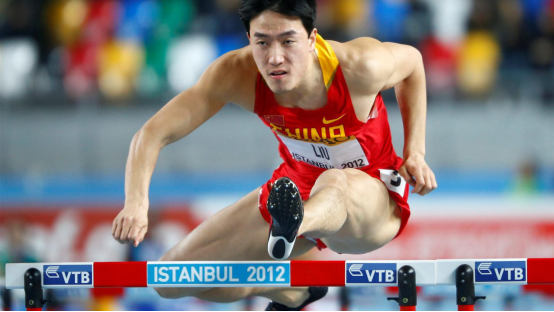
Liu Xiang’s success in the 110m hurdles was not merely a matter of raw speed but a testament to rhythmic efficiency. By mastering the “three-step” rhythm between hurdles, he minimized the time spent in the air, allowing for a more fluid transition into the next stride.
- Rhythmic Consistency: Maintaining a stable stride pattern under the pressure of high-stakes competition.
- Lead Leg Technique: The snap of the lead leg over the hurdle is critical to reducing drag and maintaining forward momentum.

Carl Lewis and the Glory Era of American Track
Carl Lewis stands as one of the most decorated athletes in history, known for his incredible longevity and versatility. His dominance in both the 100m sprint and the long jump showcased a unique blend of explosive power and technical refinement that sustained his career across multiple Olympic cycles.
The Pillars of Lewis’s Athletic Longevity
Lewis prioritized a disciplined approach to training, focusing on neuromuscular efficiency and recovery. Unlike many sprinters who burned out quickly, Lewis utilized a calculated race strategy that emphasized a strong drive phase followed by a controlled transition into top-end speed.
| Discipline | Key Technical Focus | Achievement Highlight |
|---|---|---|
| 100m Sprint | Drive phase & acceleration | Multiple Gold Medals |
| Long Jump | Approach speed & takeoff | Unbroken consistency |

Usain Bolt: The Mechanics of the World’s Fastest Man
Usain Bolt fundamentally altered the perception of what a sprinter should look like. Standing at 6’5″, his stride length provided a significant mechanical advantage over shorter competitors, provided he could overcome the initial inertia of the start.
Decoding the Bolt Advantage
Bolt’s mastery was in his ability to maintain top speed longer than his peers. While others began to decelerate at the 70-meter mark, Bolt’s stride frequency remained remarkably consistent, a result of elite-level core stability and lower-body power output.
- Stride Length: Bolt covered the 100m distance in roughly 41 strides, whereas opponents often required 44-45.
- Post-Acceleration Phase: His ability to stay relaxed while maintaining high velocity allowed him to avoid the “tying up” effect common in late-race fatigue.

Strategic Implications for Modern Training
The methodologies employed by these legends offer a blueprint for modern athletes. The synthesis of biomechanical analysis and mental resilience remains the gold standard for achieving world-class results on the track.
Integrating Biomechanics into Daily Drills
Modern training centers now utilize high-speed motion capture to replicate the efficiency seen in these champions. By focusing on ground contact time and center-of-mass positioning, coaches can help athletes shave milliseconds off their personal bests.
Frequently Asked Questions (FAQ)
- Q1: What made Usain Bolt’s stride different from other sprinters?
- Bolt possessed a unique combination of extreme height and explosive power. His longer stride length allowed him to cover more ground per step, meaning he required fewer total strides to complete a 100m race compared to his shorter rivals.
- Q2: How did Liu Xiang change the landscape of Chinese athletics?
- Liu Xiang became the first Chinese male athlete to win an Olympic gold in a track event. His success shattered the myth that Asian athletes could not compete at the highest level in power-based sprint events.
- Q3: What was the secret to Carl Lewis’s long-term success?
- Lewis focused heavily on recovery and technical precision in the long jump. By balancing his energy across two demanding events, he was able to maintain peak performance levels for over a decade.
- Q4: How important is the ‘drive phase’ in sprinting?
- The drive phase is crucial for building initial momentum. Efficient mechanics during the first 20-30 meters set the foundation for the transition into maximum velocity, which is where the race is ultimately won or lost.