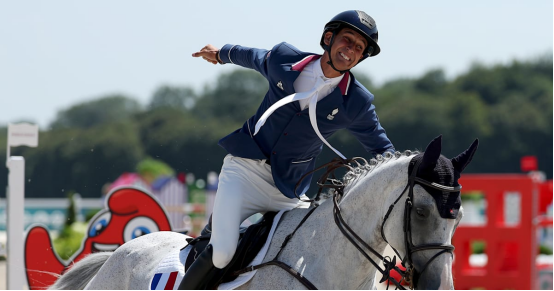
In the realm of Olympic sports, few disciplines captivate with the unique blend of athleticism, artistry, and profound partnership quite like equestrianism. It stands alone as the only Olympic sport where two athletes, a human and an animal, compete as one unit, their success intertwined by years of training, mutual respect, and an almost telepathic understanding. This comprehensive guide delves into the heart of Olympic equestrian sports, celebrating the heroes – both human and equine – and the unbreakable bonds that define their pursuit of gold.
From the precise elegance of dressage to the exhilarating power of show jumping and the ultimate test of eventing, each discipline showcases a different facet of this extraordinary alliance. We’ll explore the historical context that brought horses to the Olympic stage, the rigorous training regimes, the intricate rules, and the future trends shaping this timeless sport. Prepare to journey into a world where trust is paramount, dedication is absolute, and the spirit of partnership reigns supreme.
Introduction: The Unrivaled Partnership of Horse and Rider
Equestrian sports at the Olympic Games represent a pinnacle of athletic achievement, distinguished by the singular characteristic of being a true partnership between two distinct species. Unlike any other sport, the success in dressage, show jumping, and eventing hinges entirely on the seamless communication and deep connection forged between a human rider and their equine partner. This profound bond transcends mere training; it is built on trust, understanding, and a shared pursuit of excellence, making every performance a testament to their combined spirit.
A Legacy Forged in Time: The ‘Why’ Behind the Bond
The relationship between humans and horses dates back millennia, evolving from necessity in warfare and agriculture to a sophisticated art form in competitive sport. This historical context provides the foundational ‘why’ for the deep respect and intricate understanding seen today. Ancient cavalry skills, refined through centuries, laid the groundwork for modern dressage and jumping. The horse is not merely a tool but a sentient, powerful animal whose cooperation is willingly given, not forced. This voluntary collaboration elevates equestrianism beyond mere skill, imbuing it with a soulful quality that resonates deeply with both participants and spectators.
Why Equestrianism is a Unique Olympic Sport
Equestrianism holds a unique position within the Olympic pantheon for several reasons. Firstly, it’s one of the few sports where men and women compete on equal terms, often into their later years, demonstrating that experience and finesse can outweigh brute strength. Secondly, the animal athlete component introduces an unpredictable yet beautiful dynamic; the horse’s mood, health, and individual personality are critical factors. This duality demands an extraordinary level of empathy, patience, and adaptability from the human rider, transforming what might seem simple into an incredibly complex and nuanced athletic endeavor.

The Core Disciplines of Olympic Equestrianism
The Olympic Games feature three distinct equestrian disciplines, each demanding a unique set of skills from both horse and rider. While all three celebrate the partnership, they test different facets of control, agility, and endurance, showcasing the incredible versatility of these equine athletes.
Dressage: The Art of Equine Ballet
Dressage, often referred to as “equine ballet,” is the art of training a horse to perform a series of predetermined movements from memory, demonstrating ultimate obedience, suppleness, and athleticism. The term “dressage” originates from the French word for “training,” and its objective is to develop a horse’s natural athletic ability and willingness to perform. Riders execute a test in an arena, judged on precision, grace, and the horse’s responsiveness to subtle cues.
Detailed Procedure with Tips and Common Pitfalls:
- Preparation: Years of foundational training, focusing on basic obedience, balance, and rhythm.
- Execution: Riders use almost invisible aids (seat, legs, reins) to guide the horse through intricate patterns, transitions (walk, trot, canter), and advanced movements like pirouettes and piaffes.
- Judging: Five judges score each movement from 0-10, assessing harmony, impulsion, submission, and the rider’s position.
Tips for Success:
- Consistency: Regular, structured training builds muscle memory and understanding.
- Subtlety: Aim for invisible aids; the horse should appear to perform independently.
- Patience: Dressage is a slow, methodical process; celebrate small victories.
Common Pitfalls:
- Resistance: Horse bracing against the bit or rider’s leg, indicating tension or misunderstanding.
- Lack of Impulsion: Horse moving sluggishly or without energy, affecting fluidity.
- Rider Tension: A stiff or unbalanced rider can hinder the horse’s ability to perform correctly.
Show Jumping: Precision, Power, and Agility
Show jumping tests the horse and rider’s ability to clear a course of obstacles, typically consisting of various types of fences, within a set time limit. The challenge lies in navigating the course with precision, maintaining a consistent pace, and ensuring the horse clears each jump without knocking down any elements. It’s a thrilling display of power, agility, and calculated risk.
Detailed Procedure with Tips and Common Pitfalls:
- Course Walk: Rider walks the course beforehand to memorize the layout, distances between jumps, and plan their strategy.
- Execution: Horse and rider must clear all obstacles without incurring penalties (e.g., knocking down a rail, refusal to jump).
- Scoring: Penalties are added for faults (e.g., 4 faults for a knocked rail) and exceeding the time limit. The lowest penalty score wins.
Tips for Success:
- Rhythm: Maintain a consistent, energetic canter throughout the course.
- Distances: Accurately judge the approach to each jump to allow the horse to take off optimally.
- Balance: Rider must stay balanced and supple over the jumps to avoid interfering with the horse.
Common Pitfalls:
- Refusals: Horse stopping or running out before a jump, often due to rider indecision or horse anxiety.
- Knockdowns: Rails falling, often from incorrect approach, take-off, or horse fatigue.
- Time Faults: Taking too long to complete the course, indicating a lack of forward momentum.
Eventing: The Ultimate Equestrian Triathlon
Eventing is considered the ultimate test of horse and rider versatility, combining three distinct phases: dressage, cross-country, and show jumping. It demands exceptional fitness, bravery, and skill, pushing both partners to their physical and mental limits. This “equestrian triathlon” truly embodies the spirit of partnership and endurance.
Detailed Procedure with Tips and Common Pitfalls:
- Phase 1: Dressage: Performed first, demonstrating the horse’s obedience and athleticism (scored like pure dressage).
- Phase 2: Cross-Country: The most thrilling phase, where horse and rider navigate a challenging course of fixed obstacles (e.g., logs, water jumps, ditches) across natural terrain, against the clock.
- Phase 3: Show Jumping: The final phase, testing the horse’s soundness and agility after the rigors of cross-country, often on the same day or the following day.
- Scoring: Penalties from all three phases are accumulated, with the lowest total score winning.
Tips for Success:
- Fitness: Both horse and rider require peak physical condition for endurance and recovery.
- Brave Heart: Cross-country demands immense courage and trust to tackle formidable obstacles.
- Adaptability: Riders must quickly adjust their strategy across three very different disciplines.
Common Pitfalls:
- Cross-Country Falls/Run-outs: The most common and impactful penalties, often leading to elimination.
- Fatigue: Affects performance in later phases, particularly show jumping, leading to errors.
- Lack of Technical Skill: Poor dressage scores or show jumping faults can be hard to recover from.

Evolution and History of Equestrian Sports in the Olympics
The journey of equestrian sports to the Olympic Games is a fascinating narrative, deeply intertwined with military history, aristocratic traditions, and the evolving understanding of animal welfare. Its inclusion highlights a shift from practical horsemanship to a celebrated athletic art form.
From Military Roots to Modern Competition
Equestrian sports first appeared in the modern Olympic Games in 1900 in Paris, featuring only show jumping. However, it was truly established in 1912 in Stockholm with the introduction of all three disciplines: dressage, eventing, and show jumping. Initially, these events were exclusive to commissioned military officers, reflecting the historical importance of cavalry skills. Dressage, in particular, evolved from the systematic training of cavalry horses for battlefield maneuvers, emphasizing obedience, agility, and control. Show jumping tested a horse’s ability to clear obstacles on varied terrain, while eventing mimicked the comprehensive skills required of a military charger – from parade ground precision to cross-country endurance.
Key Milestones and Rule Changes
Over the decades, Olympic equestrianism has undergone significant transformations:
- 1952 Helsinki Games: A pivotal moment when civilian riders and women were first allowed to compete. This inclusion dramatically broadened the sport’s appeal and participation, moving it away from its purely military origins.
- Introduction of Team Events: While individual medals are highly coveted, team competitions were introduced and have become a central feature, fostering national pride and strategic depth.
- Focus on Welfare: Modern rules place a strong emphasis on horse welfare, with strict veterinary checks, anti-doping regulations, and ethical training guidelines being paramount. This reflects a growing global awareness and commitment to the well-being of the animal athletes.
- Technological Advancements: Innovations in equipment, footing, and veterinary science have continuously improved safety and performance standards for both horses and riders.

The Athlete’s Journey: Training, Dedication, and Welfare
Behind every Olympic equestrian triumph lies an arduous journey of relentless training, unwavering dedication, and an ethical commitment to the welfare of the equine partner. This path is demanding for both human and horse, requiring years of meticulous preparation and mutual understanding.
The Rigors of Olympic Preparation (for both horse and rider)
For the human athlete, preparation involves not only honing riding skills but also maintaining peak physical fitness, mental resilience, and a deep understanding of equine psychology and biomechanics. Riders spend countless hours in the saddle, but also in the gym, studying nutrition, and analyzing performance. For the horse, Olympic preparation is a long-term project spanning several years. It involves:
- Foundational Training: Developing basic obedience, strength, and balance from a young age.
- Discipline-Specific Training: Intensive work on specific movements, jumping techniques, or endurance building required for their chosen discipline.
- Physical Conditioning: Tailored exercise regimes, including interval training, hill work, and arena schooling, to build stamina, muscle, and cardiovascular health.
- Mental Conditioning: Exposure to competition environments, travel, and different arenas to ensure the horse remains calm, focused, and confident under pressure.
- Veterinary Care: A comprehensive program of preventative care, regular check-ups, physiotherapy, and immediate attention to any health concerns.
Ensuring Equine Welfare and Ethical Practices
The ethical treatment and welfare of the horse are non-negotiable in Olympic equestrian sports. International federations (like the FEI) enforce strict rules to protect horses from abuse, overwork, and unfair practices. Key aspects include:
- Anti-Doping Controls: Rigorous testing for prohibited substances to ensure fair play and protect the horse’s health.
- Veterinary Oversight: On-site veterinarians at competitions ensure horses are fit to compete and receive immediate care if needed.
- Equipment Regulations: Rules govern bits, saddles, and other tack to prevent discomfort or injury.
- Rest and Recovery: Training schedules include adequate rest periods, turnout time, and varied activities to keep horses mentally and physically fresh.
- Respectful Training: Emphasis on positive reinforcement and humane training methods that prioritize the horse’s well-being and willingness to cooperate.

Pro Tips for Aspiring Equestrians & Spectators
Whether you dream of competing at the highest level or simply wish to better appreciate the nuances of Olympic equestrian sports, understanding the intricacies can deepen your experience. These tips offer insights from the perspective of an expert.
Understanding the Scoring and Judging
For spectators, deciphering the scoring can be challenging. In dressage, look for harmony, rhythm, and the horse’s suppleness. Higher scores reflect effortless execution and a willing partnership. In show jumping, clear rounds are paramount, but time faults also matter. In eventing, the cross-country phase is often the most influential; watch for clean jumps, efficient lines, and brave riding. Understanding penalty points for each fault can help you follow the leaderboard more effectively.
Essential Gear and Equipment for Olympic Disciplines
While the horse and rider are the stars, their equipment is crucial. For dressage, emphasis is on elegant, functional tack that allows subtle communication. Show jumpers use specialized saddles and protective boots designed for jumping performance and safety. Eventers require robust, durable gear for cross-country, including body protectors for riders and stud boots for horses to provide traction. All equipment is subject to strict regulations to ensure safety and fairness, highlighting the ‘why’ behind specific design choices.
How to Appreciate the Nuances of Each Sport
To truly appreciate equestrianism, look beyond the obvious. In dressage, observe the horse’s expression – is it happy and engaged? Notice the rider’s subtle aids – can you spot them? In show jumping, pay attention to the rider’s course plan and how they adjust their horse’s stride. In eventing, marvel at the horse’s courage and the rider’s ability to navigate complex, solid obstacles at speed. Recognizing the deep trust and communication, often invisible to the untrained eye, is key to unlocking the sport’s true beauty.
Comparative Analysis of Olympic Equestrian Disciplines
Each Olympic equestrian discipline presents a unique challenge, demanding specific attributes from the horse and rider combination. Understanding their differences enhances appreciation for the versatility of these athletes.
| Feature | Dressage | Show Jumping | Eventing |
|---|---|---|---|
| Primary Goal | Demonstrate harmony, obedience, and athleticism through precise movements. | Clear a course of obstacles without faults within a time limit. | Comprehensive test of obedience, bravery, and endurance across three phases. |
| Key Skills (Horse) | Suppleness, balance, responsiveness, strength, elegance. | Power, agility, scope, carefulness, speed. | Stamina, bravery, versatility, soundness, jumping ability. |
| Key Skills (Rider) | Precision, subtlety, balance, feel, deep understanding of biomechanics. | Strategy, timing, courage, quick decision-making, balance. | Fitness, courage, strategic planning, adaptability, resilience. |
| Scoring Focus | Individual movement scores (0-10) for quality, harmony, and submission. | Penalties for knocked rails, refusals, and time faults. Lowest score wins. | Cumulative penalties from Dressage, Cross-Country, and Show Jumping. Lowest score wins. |
| Primary Challenge | Achieving perfect harmony and control with almost invisible aids. | Navigating complex courses at speed with accuracy and power. | Enduring physical and mental demands of three diverse phases. |
Technical Checklist: Preparing for Peak Performance
Achieving Olympic readiness for an equestrian partnership is a monumental task. This checklist outlines critical areas for both horse and rider.
- For the Horse:
- Comprehensive Veterinary Health Check: Regular soundness exams, dental, farrier care.
- Tailored Nutrition Plan: Optimized for energy, recovery, and overall health.
- Progressive Fitness Regimen: Interval training, conditioning rides, cross-training.
- Mental Stimulation: Varied work, turnout, social interaction to prevent boredom.
- Appropriate Tack & Equipment: Properly fitted saddle, bridle, protective boots.
- For the Rider:
- Physical Fitness: Strength, core stability, flexibility, cardiovascular endurance.
- Mental Fortitude: Sports psychology, visualization, stress management.
- Riding Skill Mastery: Consistent coaching, practice, attention to detail.
- Equine Knowledge: Deep understanding of horse behavior, anatomy, and training principles.
- Competition Strategy: Course analysis, warm-up routines, performance review.
Frequently Asked Questions (FAQ)
- What makes the partnership between a horse and rider so unique in Olympic sports?
- The uniqueness stems from the fact that two distinct sentient beings must perform as one cohesive unit. Success relies on non-verbal communication, mutual trust, and a deep understanding of each other’s physical and mental states. The horse is not merely equipment but a powerful, intelligent athlete whose willingness and cooperation are essential, requiring the rider to be both a trainer and a partner.
- Are there specific breeds of horses preferred for Olympic equestrian disciplines?
- While any breed can theoretically compete, specific warmblood breeds (e.g., Dutch Warmblood, Hanoverian, Oldenburg) are highly favored in dressage and show jumping due to their athleticism, temperament, and conformation. For eventing, a mix of warmblood and thoroughbred bloodlines is often preferred for their stamina, bravery, and jumping ability. Ultimately, individual talent and careful breeding for specific disciplines are more important than breed alone.
- How do judges ensure fairness and objectivity in subjective disciplines like Dressage?
- Dressage judging employs multiple judges (typically five or seven) positioned around the arena, each scoring independently. They follow strict guidelines and criteria for every movement, assessing harmony, impulsion, submission, and the rider’s position. Scores are often averaged, and judges undergo extensive training and certification to maintain consistency. While there’s an inherent subjective element, the multi-judge system and detailed criteria aim to minimize bias and ensure fair evaluation.
- What are the biggest challenges riders face when preparing for the Olympics?
- Riders face numerous challenges, including the immense financial cost of owning and training top-level horses, the physical and mental demands of intense training, and the pressure of international competition. Beyond personal challenges, maintaining the horse’s peak health and soundness, managing travel logistics, and ensuring the horse’s mental well-being are constant hurdles. Building and sustaining the profound partnership required for Olympic success takes years of dedication and resilience.
- How has technology impacted Olympic equestrian sports?
- Technology has significantly impacted the sport. Advanced veterinary medicine, including diagnostic imaging and rehabilitation techniques, helps maintain horse health. Innovations in saddle design and protective gear enhance both horse and rider comfort and safety. Data analytics and video analysis are used for performance tracking and training optimization. Even arena footing technology has evolved to provide optimal shock absorption and stability, contributing to horse welfare and performance.