The Crucible of Champions: Why the Olympics Matter
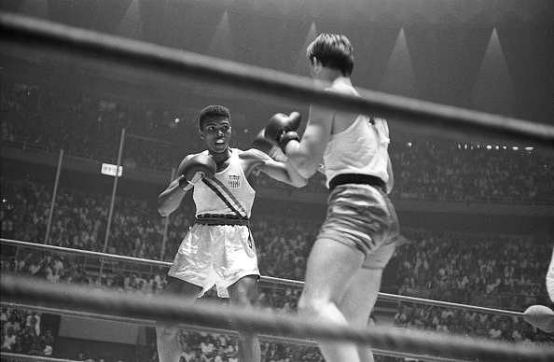
The Olympic Games represent the pinnacle of amateur boxing. For many, it is not just a tournament; it is the ultimate proving ground where raw talent is refined under the intense pressure of global scrutiny. Before legends like Muhammad Ali—then Cassius Clay—became household names, they had to navigate the unique tactical environment of the Olympic ring.
The Shift from Amateur to Professional Styles
Amateur boxing, characterized by three-round bouts and a focus on point-scoring, differs significantly from the professional game. The transition requires a complete overhaul of stamina, defensive posture, and punch power. Olympic success serves as a catalyst for professional promotion, providing the pedigree that promoters covet.

Cassius Clay: The Birth of a Legend
The 1960 Rome Olympics were the stage for the emergence of Cassius Clay. His performance in the light heavyweight division was not merely a display of dominance; it was a masterclass in speed and footwork that would eventually define the heavyweight division for decades.
The Tactical Brilliance of Young Ali
Even at eighteen, Clay possessed a “float like a butterfly” mentality. He utilized distance management to frustrate opponents, a technique that was rare in amateur circles at the time. This section analyzes the fundamental skills he honed during his Olympic tenure.
| Skill Category | Amateur Application | Pro Transition |
|---|---|---|
| Footwork | Speed-based movement | Positioning for power |
| Stamina | 3-round bursts | 12-round endurance |
| Defense | Reflex-dependent | Systematic blocking |

Evolution of Olympic Boxing Regulations
The rules governing Olympic boxing have evolved to prioritize athlete safety and technical proficiency. From the removal of headgear in recent years to changes in scoring systems, the sport has undergone significant modernization.
Key Changes in Scoring and Safety
The introduction of the “Ten-Point Must” system in amateur boxing has brought the Olympic style closer to the professional format. This transition ensures that judges reward dominance, aggression, and clean punching, rather than just the volume of landed shots.

Pro Tips for the Modern Amateur Boxer
To succeed on the amateur stage and eventually reach the professional level, athletes must focus on specific developmental pillars.
- Master the Jab: The jab is the foundation of all combinations and the primary tool for distance control.
- Conditioning is King: High-intensity interval training (HIIT) mimics the demands of a high-paced Olympic bout.
- Mental Resilience: Learn to remain composed under the pressure of a tournament bracket.
- Video Analysis: Study historical footage of Olympic gold medalists to understand tactical pacing.
Frequently Asked Questions (FAQ)
- How did the 1960 Olympics change boxing history?
- The 1960 Rome Games introduced the world to the charisma and unprecedented speed of Cassius Clay, setting a new standard for heavyweight boxing and proving that amateur success is a vital precursor to professional greatness.
- What is the main difference between Amateur and Pro boxing?
- Amateur boxing is primarily focused on speed, accuracy, and point-scoring over short durations, whereas professional boxing is a strategic endurance battle focused on power, damage, and long-term stamina.
- Why do many professional boxers transition from the Olympics?
- The Olympics provide a global platform for scouting, high-level competition experience, and the “Gold Medalist” branding, which significantly increases an athlete’s marketability upon entering the professional ranks.
- Are headgear changes in the Olympics better for the sport?
- The removal of headgear has made the sport more transparent and exciting for spectators, though it requires fighters to focus significantly more on defensive maneuvers and head movement to avoid cuts and concussions.