Music is a universal constant in the human experience, a force that transcends cultural, linguistic, and geographical barriers. While often appreciated for its entertainment value, its true power lies in its deep-seated social functions. Music is not merely a collection of sounds; it is a dynamic tool for communication, a catalyst for change, a medium for healing, and a cornerstone of cultural identity. It has the unique ability to evoke powerful emotions, consolidate group solidarity, and articulate complex ideas that words alone cannot capture. This guide explores the extensive and profound impact of music on society, from shaping individual development to mobilizing global movements.
We will dissect how music education fosters cognitive and emotional growth, examine its therapeutic applications in modern medicine, and trace its historical role as the soundtrack to pivotal social and political transformations. By analyzing landmark events like “We Are The World” and the enduring legacy of protest songs, we uncover the mechanisms that make music an indispensable agent of social cohesion and progress. Furthermore, we will address the crucial concept of social responsibility, exploring how artists and the industry can harness this incredible power for the greater good.
The Foundational Social Functions of Music
Before music can inspire revolutions or unite nations, it performs fundamental roles at the individual and community levels. These foundational functions—education, healing, and entertainment—form the bedrock of its social influence, shaping our cognitive abilities, emotional well-being, and collective experiences.
Music in Education: Fostering Cognitive and Emotional Growth
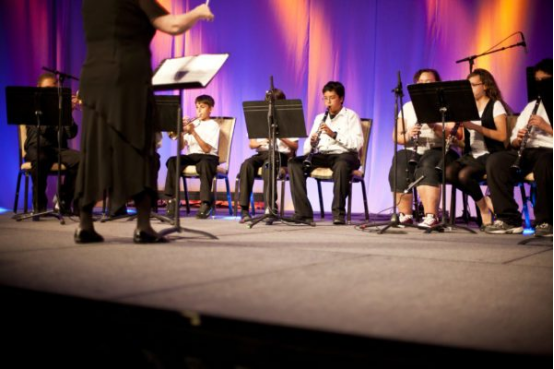
Music education is far more than an extracurricular activity; it is a critical component of holistic development. Research has consistently shown a strong correlation between musical training and enhanced cognitive skills. The process of learning an instrument or understanding music theory strengthens neural pathways associated with memory, problem-solving, and spatial-temporal reasoning.
- Cognitive Enhancement: Studying music involves pattern recognition, mathematical concepts (rhythm and harmony), and fine motor skills, all of which contribute to improved academic performance in other subjects like math and science.
- Emotional Intelligence: Music provides a powerful outlet for emotional expression. Through creating and listening to music, individuals learn to identify, process, and manage their emotions, fostering empathy and improving social skills.
- Discipline and Perseverance: The structured practice required to master a musical piece teaches valuable life skills such as discipline, patience, and the rewards of long-term dedication.
The Therapeutic Power of Music: Healing and Well-being
The concept of music as a healing force has been recognized for centuries, and today it is a formalized discipline known as music therapy. This evidence-based practice uses musical interventions to address physical, emotional, cognitive, and social needs. In clinical settings, music therapy is used to manage pain, reduce anxiety and stress, and improve motor function in patients with neurological disorders like Parkinson’s disease or those recovering from a stroke. The predictable rhythms and harmonies can regulate heart rate and lower blood pressure, creating a calming physiological effect. For mental health, music provides a non-verbal means of communication, helping individuals express feelings that are too difficult to articulate, making it a valuable tool in treating depression and trauma.
Music as Entertainment: Uniting Communities and Cultures
The most visible social function of music is entertainment, but its impact goes far beyond simple amusement. Shared musical experiences, such as concerts, festivals, and even religious ceremonies, create powerful communal bonds. These events act as social glue, reinforcing a sense of belonging and shared identity. Music is also a primary carrier of cultural heritage, transmitting stories, values, and traditions from one generation to the next. National anthems, folk songs, and traditional dance music all serve to define and preserve cultural identity, creating a collective memory that strengthens social cohesion.

Music as a Catalyst for Social Change
Throughout history, music has been an inseparable partner to social and political movements. Its ability to convey powerful messages in an emotionally resonant way makes it a uniquely effective tool for challenging the status quo, mobilizing populations, and driving societal transformation. A protest song can encapsulate the grievances of a generation, turning individual dissent into a collective roar.
The Anthem of Protest: How Music Fuels Social Movements
Protest music serves several key functions within a social movement. First, it raises awareness by simplifying complex political issues into memorable, easily shareable songs. A powerful lyric can expose injustice more effectively than a lengthy speech. Second, it builds solidarity among activists, creating a shared emotional experience that strengthens their resolve and sense of unity. Singing together on a picket line or at a rally fosters a powerful feeling of collective identity and purpose.
The emotional power of music is also crucial for sustaining morale. Activism can be exhausting and demoralizing, but music provides an outlet for frustration and a source of inspiration, encouraging participants to persevere in the face of adversity. Songs become anthems that define the movement’s goals and spirit.
Historical Case Studies in Musical Activism
The connection between music and social change is evident across numerous historical events. Each case demonstrates music’s power to unify, inspire, and define a struggle for justice.
- The American Civil Rights Movement: Songs like “We Shall Overcome” and “A Change Is Gonna Come” became the backbone of the movement. These spirituals and folk songs were not just background music; they were organizational tools sung in meetings and marches to unify participants and fortify their courage against violence and oppression.
- The Anti-Vietnam War Movement: Artists like Bob Dylan (“Blowin’ in the Wind”), Creedence Clearwater Revival (“Fortunate Son”), and John Lennon (“Give Peace a Chance”) captured the anti-war sentiment of a generation. Their music dominated the airwaves, shaping public opinion and galvanizing a massive youth-led movement against the conflict.
- The South African Anti-Apartheid Movement: Music was a vital form of resistance against the oppressive apartheid regime. Songs like “Bring Him Back Home (Nelson Mandela)” by Hugh Masekela became international anthems, drawing global attention to the struggle and exerting political pressure on the South African government.

Global Unity Through Collaborative Music
Beyond national movements, music possesses the extraordinary ability to transcend borders and unite humanity for a common cause. Large-scale collaborative musical events have proven to be powerful platforms for raising awareness and funds for global crises, demonstrating a shared sense of responsibility and compassion on an international scale.
The “We Are The World” Phenomenon: A Blueprint for Global Aid
In 1985, the supergroup USA for Africa released the charity single “We Are The World.” Written by Michael Jackson and Lionel Richie and featuring 46 of the era’s biggest music stars, the song was an unprecedented collaborative effort to combat famine in Africa. The project’s success was monumental. It not only raised over $63 million in humanitarian aid but also sent a powerful message of global solidarity. The song dominated charts worldwide, proving that music could mobilize millions of people to focus on a single humanitarian issue. It created a model for “charity rock” that inspired countless similar initiatives, demonstrating that the music industry could be a formidable force for global good.
Music Festivals and Global Causes: Live Aid and Beyond
Building on the momentum of “We Are The World,” the Live Aid concert in 1985 took this concept to an even grander scale. The dual-venue concert, held simultaneously in London and Philadelphia and broadcast globally, was watched by an estimated 1.9 billion people. It raised over $127 million for famine relief. Live Aid was more than a fundraiser; it was a global cultural event that showcased music’s power to command worldwide attention and inspire collective action. This legacy continues today with events like Global Citizen Festival, which leverages musical performances to encourage civic engagement and hold world leaders accountable for commitments on issues like poverty, climate change, and inequality.
Fostering Cross-Cultural Dialogue and Understanding
Global music collaborations also play a vital role in promoting cross-cultural understanding. When artists from different backgrounds and traditions come together, they create a musical dialogue that blends diverse styles and perspectives. This fusion not only results in innovative art but also breaks down cultural stereotypes. Projects that bring together musicians from conflicting regions or different continents can build bridges of empathy, showing audiences that shared humanity and creativity can triumph over division.

Embracing Social Responsibility in the Music Industry
Given music’s profound influence on society, there is a growing recognition of the need for social responsibility among artists, producers, and industry executives. This involves a conscious effort to use music’s platform not just for commercial success but also to contribute positively to society. It is about acknowledging the power wielded and directing it toward constructive, ethical, and impactful ends.
The Artist’s Platform: A Voice for Change
Musicians often command immense public attention, giving them a unique platform to advocate for social and political causes. An artist who speaks out about mental health, environmental protection, or human rights can bring mainstream attention to issues that might otherwise be ignored. By integrating messages of social consciousness into their lyrics, public statements, and benefit concert participation, artists can inspire their fan bases to become more informed and engaged citizens. This responsibility extends beyond activism to being a positive role model, promoting messages of inclusivity, respect, and hope.
Ethical Considerations in Music Production and Promotion
Social responsibility also applies to the business practices of the music industry. This includes ensuring fair compensation for all creators, promoting diversity and inclusion within industry roles, and being mindful of the cultural impact of music. For example, there is a responsibility to avoid promoting harmful stereotypes or glorifying violence and substance abuse. Ethical marketing practices that are transparent and respectful of audiences are also a key component. The industry has a role to play in fostering a healthy ecosystem where art can thrive without causing societal harm.
Music Education as a Social Responsibility
A crucial aspect of social responsibility is advocating for and supporting music education. Recognizing its cognitive and emotional benefits, many musicians and organizations work to ensure that access to music education is not limited by socioeconomic status. Philanthropic initiatives that provide instruments, funding for school music programs, and free lessons in underserved communities are vital. By investing in the next generation of musicians and listeners, the industry ensures the continued cultural relevance of music and empowers youth with the invaluable life skills that musical training provides. This commitment helps create a more equitable and artistically vibrant society for the future.
Frequently Asked Questions (FAQ)
- How does music physically affect the brain to promote healing?
- Music engages multiple areas of the brain simultaneously. Rhythm and tempo can stimulate the motor cortex, which is why it’s used in physical rehabilitation. Listening to pleasurable music triggers the release of dopamine, a neurotransmitter associated with reward and pleasure, which can help alleviate pain and reduce anxiety. Furthermore, the predictable structures in music can help organize cognitive function in patients with brain injuries or dementia, improving memory and focus.
- Can music create negative social change or be used for harmful purposes?
- Yes, absolutely. Just as music can be a force for unity and positive change, it can also be used to promote division, hatred, and violence. Throughout history, music has been co-opted for propaganda by oppressive regimes to foster nationalism and xenophobia. Certain genres or songs have also been criticized for lyrics that glorify harmful behaviors. This underscores the importance of critical listening and the social responsibility of creators to consider the impact of their work.
- What made “We Are The World” so uniquely successful as a charity single?
- The success of “We Are The World” can be attributed to a perfect storm of factors. First, it featured an unprecedented gathering of the world’s most popular musicians from every genre, creating massive crossover appeal. Second, the song itself had a simple, universal, and emotionally powerful message of unity and compassion. Third, it was supported by a massive marketing and media campaign, including a documentary on its creation, which amplified its impact and told a compelling story. This combination of star power, a clear message, and media saturation created a global cultural event that was impossible to ignore.
- Besides protest songs, what other ways does music contribute to social movements?
- Beyond anthems, music serves practical functions in social movements. It is used to coordinate actions during marches (e.g., through rhythmic chanting and drumming). It is also a key tool for fundraising, with benefit concerts raising crucial funds for organizational costs and legal aid. Furthermore, music helps document the history of a movement, preserving its stories and struggles for future generations, ensuring its legacy and lessons are not forgotten.
- How is social responsibility in music evolving in the digital age?
- In the digital age, social responsibility has expanded. Artists now have a direct line to their audience through social media, allowing them to raise awareness and mobilize support for causes instantly. However, it also brings new challenges, such as addressing online misinformation and cyberbullying. The industry is also grappling with ethical issues related to streaming payouts and data privacy. A modern, socially responsible approach involves using digital platforms for positive advocacy while also promoting digital literacy and ethical online behavior among fans.