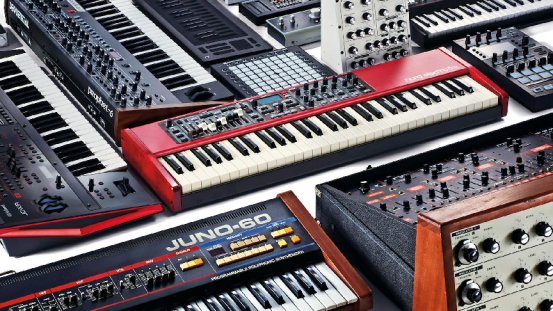
Music, in its most fundamental sense, is a universal language that transcends cultural and linguistic barriers, speaking directly to the human soul. Yet, beneath its immediate aesthetic appeal lies a complex interplay of philosophical inquiry, structural ingenuity, and profound meaning. This pillar page embarks on an exhaustive exploration of music, bridging the gap between its abstract philosophical dimensions—how sound acquires meaning and evokes emotion—and its concrete structural realities, exemplified by the intricate architecture of a symphony. We will dissect the very essence of musical expression, from the theoretical frameworks that attempt to define its impact to the meticulous construction of its most grand forms, ultimately revealing how these disparate elements converge to create an art form of unparalleled depth and resonance.
The Philosophy of Music: Sound, Meaning, and Emotion
At the heart of musical understanding lies the philosophical question of how mere sound vibrations transform into meaningful, emotionally resonant experiences. This inquiry has captivated thinkers for centuries, leading to diverse theories that attempt to unravel the elusive connection between auditory phenomena and human consciousness. Understanding these philosophical underpinnings is crucial for appreciating music not just as entertainment, but as a profound medium of communication and self-expression.
Defining Music: Beyond Mere Sound
Defining music is more complex than simply categorizing it as organized sound. While a sequence of pitches, rhythms, and harmonies is certainly part of the equation, the philosophical definition often extends to encompass intention, cultural context, and the listener’s perception. Music differs from ambient noise or random sounds because it involves a deliberate arrangement by a composer or performer, designed to elicit a particular aesthetic or emotional response. This intentionality imbues the sound with a purpose that elevates it beyond mere acoustic events.
- Intentionality: The conscious decision to arrange sounds for expressive or aesthetic purposes distinguishes music from random noise.
- Cultural Context: What constitutes “music” can vary dramatically across cultures, affecting its interpretation and perceived meaning.
- Perception: The listener’s background, mood, and expectations significantly influence how music is received and understood.
Theories of Musical Meaning: Referential vs. Absolute
One of the most enduring debates in the philosophy of music revolves around how music acquires meaning. Two primary schools of thought dominate this discussion: referentialism and absolutism.
Referentialism: Music as a Language of Emotions, Narratives, and External Concepts
Referentialists argue that music derives its meaning from its ability to refer to things outside itself. This perspective views music as a kind of language capable of expressing specific emotions, depicting narratives, or evoking concrete images and ideas. For instance, a melancholic piece might “refer” to sadness, or a programmatic symphony might tell a story through its movements. This theory often highlights music’s capacity to imitate natural sounds or human vocalizations, thereby creating associations with the external world.
- Emotional Expression: Music can directly convey or induce specific emotional states, such as joy, sorrow, anger, or tranquility.
- Narrative Depiction: Programmatic music, like tone poems or film scores, aims to tell a story or illustrate a scene through sound.
- Symbolic Representation: Certain musical motifs or themes can become associated with characters, places, or abstract concepts within a cultural framework.
Absolutism: Music’s Meaning Inherent in its Form, Structure, and Internal Relationships
In contrast, absolutists contend that music’s meaning is intrinsic to its own structure and form, existing independently of any external references. For absolutists, the beauty and profoundness of music lie in the intricate relationships between its notes, harmonies, rhythms, and formal structures. A piece is meaningful because of its internal coherence, its development of themes, its tension and resolution, and its purely musical logic. This view is often associated with composers like Eduard Hanslick, who championed “absolute music” as self-sufficient and purely aesthetic.
- Formal Coherence: The internal logic and development of musical ideas, such as variations on a theme or contrapuntal interactions, provide intrinsic meaning.
- Structural Beauty: The elegance and balance of musical forms, like sonata form or fugue, are seen as sources of aesthetic value and understanding.
- Purely Musical Experience: Meaning is found in the direct experience of sound itself, its patterns, textures, and dynamics, without needing external interpretation.
Music and Emotion: A Complex Relationship
The profound emotional impact of music is undeniable, yet the mechanisms behind this connection are complex and multi-faceted. It’s not simply that music expresses emotion, but also that it can evoke it, regulate it, and even become a tool for emotional processing.
Psychological Perspectives: Arousal, Cognitive Appraisal
Psychological theories suggest that music can trigger emotional responses through various pathways. The “arousal theory” posits that certain musical features (e.g., fast tempo, high volume, dissonance) directly stimulate physiological arousal, which is then interpreted as an emotion. The “cognitive appraisal theory” argues that emotions arise from how we interpret or appraise the musical information, often based on learned associations or expectations. For example, a sudden harmonic shift might surprise us, leading to a feeling of tension or excitement.
Cultural Influences on Emotional Perception
While some emotional responses to music may be universal (e.g., a lullaby’s calming effect), many are heavily influenced by cultural learning. Different cultures have distinct musical scales, rhythms, and performance practices that shape how emotions are expressed and perceived. A melody considered joyous in one culture might be interpreted differently in another, highlighting the learned nature of musical emotional semantics.
The Role of the Listener and Performer
The meaning of music is not solely determined by the composer or the notes on the page; it is actively constructed in the interaction between the performer and the listener. The performer interprets the score, infusing it with their own emotional understanding and technical skill, which then influences how the listener receives the music. The listener, in turn, brings their own experiences, memories, and cultural background to the auditory experience, making the interpretation a highly personal and subjective process.
- Performer’s Interpretation: Dynamics, tempo, phrasing, and articulation choices by the performer significantly shape the emotional and structural message.
- Listener’s Engagement: Active listening, personal associations, and emotional resonance contribute to the co-creation of musical meaning.

Core Elements of Musical Expression
To fully grasp how music communicates and moves us, it is essential to understand its fundamental building blocks. These elements—pitch, rhythm, harmony, timbre, and form—are the raw materials that composers manipulate and combine to create the vast tapestry of musical sound. Each element contributes uniquely to the overall expressive power and structural integrity of a piece, and their masterful interplay is what defines great musical artistry.
Pitch and Melody: Building Blocks of Sound
Pitch refers to the perceived highness or lowness of a sound, determined by the frequency of its vibrations. Different pitches are organized into scales and modes, forming the basis of melodic construction. A melody is a succession of pitches perceived as a single entity, often the most memorable and recognizable part of a musical piece. It is the “tune” that we hum or sing, characterized by its contour, range, and expressive qualities.
- Intervals: The distance between two pitches, forming the basis of harmonic and melodic movement.
- Scales: Ordered sequences of pitches (e.g., major, minor, pentatonic) that provide the melodic framework.
- Phrasing: The articulation and shaping of a melodic line, akin to grammatical phrases in language, influencing its emotional impact.
Rhythm and Meter: The Pulse of Music
Rhythm is the organization of sounds and silences in time, providing music with its forward momentum and vitality. It encompasses the duration of individual notes, the patterns they form, and the overall temporal flow. Meter is the underlying pulse or beat, grouped into regular patterns (e.g., 2/4, 3/4, 4/4) that provide a structural framework for the rhythm. The interplay between rhythm and meter creates a sense of stability or tension, driving the music forward.
- Tempo: The speed at which music is played, ranging from largo (very slow) to presto (very fast), significantly influencing mood.
- Syncopation: Rhythmic emphasis placed on weak beats or off-beats, creating rhythmic tension and excitement.
- Polyrhythm: The simultaneous use of two or more contrasting rhythms, often found in world music, adding complexity and richness.
Harmony and Tonality: Creating Texture and Tension
Harmony involves the simultaneous sounding of multiple pitches, creating chords and chord progressions. It provides depth, color, and emotional resonance to a melody. Tonality is the organization of pitches and chords around a central tone (the tonic) or a specific key, creating a sense of gravitational pull and establishing a musical home. The movement away from and return to the tonic creates tension and release, a fundamental aspect of Western classical music.
- Consonance and Dissonance: Consonant harmonies sound stable and pleasing, while dissonant harmonies create tension and a desire for resolution.
- Chord Progressions: Sequences of chords that move the music forward, establishing harmonic direction and emotional trajectory.
- Modulation: The process of changing from one key to another, often used to create contrast and expand the harmonic landscape of a piece.
Timbre and Dynamics: Color and Intensity
Timbre (often called “tone color”) is the unique quality of a sound that distinguishes one instrument or voice from another, even when playing the same pitch at the same loudness. It is determined by the overtone series present in a sound. Dynamics refer to the loudness or softness of a musical sound, and the changes in volume over time. Both timbre and dynamics are crucial expressive tools, allowing composers to paint vivid sonic landscapes and convey a wide range of emotions.
- Instrumentation: The specific combination of instruments chosen for a piece, directly influencing its overall timbre and texture.
- Articulation: How individual notes are played or sung (e.g., staccato, legato), affecting their attack and decay, and contributing to timbre.
- Dynamic Markings: Notations like *piano* (soft), *forte* (loud), *crescendo* (gradually louder), and *diminuendo* (gradually softer) guide performers in shaping the music’s intensity.
Form and Structure: Organizing Musical Ideas
Form refers to the overall structure or plan of a musical composition, the arrangement of its various sections and ideas. It provides coherence and intelligibility to a piece, allowing listeners to follow its development and appreciate its design. Common forms include binary (A-B), ternary (A-B-A), rondo (A-B-A-C-A), and sonata form, each offering a distinct framework for organizing musical content. Understanding form helps listeners appreciate the logic and artistry behind a composition.
- Repetition and Contrast: Fundamental principles of form, where recurring themes provide familiarity and contrasting sections introduce new ideas.
- Variation: The technique of repeating a musical idea but with modifications, adding interest while maintaining a connection to the original.
- Development: The process of exploring and transforming musical themes, often a central feature in larger forms like the symphony.

Deconstructing the Symphony: A Masterclass in Musical Architecture
The symphony stands as one of the most monumental and complex forms in Western classical music, a testament to a composer’s ability to weave together diverse musical elements into a cohesive and expansive narrative. Originating in the 18th century, the symphony evolved from simpler forms to become a multi-movement work for orchestra, capable of conveying profound emotional depth and intellectual rigor. Deconstructing its structure offers invaluable insight into the principles of musical architecture and the art of large-scale composition.
Historical Evolution of the Symphony
The term “symphony” initially referred to an instrumental introduction or interlude in vocal works, such as operas and oratorios, during the Baroque era. Early forms were often three-movement pieces (fast-slow-fast), derived from the Italian overture. It was during the Classical era, particularly with composers like Haydn and Mozart, that the symphony began to solidify into its standard four-movement structure, becoming an independent and prestigious genre. Beethoven further expanded its scope, introducing greater dramatic intensity, emotional range, and formal innovation, paving the way for the Romantic symphony’s epic scale.
- Baroque Origins: Initially an overture (sinfonia) to operas, often in three sections.
- Classical Era Development: Haydn (over 100 symphonies) and Mozart established the four-movement model and refined sonata form within the first movement.
- Romantic Expansion: Beethoven’s symphonies, particularly the 3rd, 5th, and 9th, pushed boundaries in length, emotional content, and philosophical weight, influencing composers like Brahms, Tchaikovsky, and Mahler.
Standard Symphonic Structure: Four Movements
While variations exist, the classical symphony typically adheres to a four-movement structure, each movement having its own character, tempo, and formal design, yet contributing to the overall unity of the work. This architectural blueprint allows for a journey through contrasting moods and musical ideas.
Movement I: Sonata Form (Allegro)
The first movement is almost invariably in sonata form and is typically fast (Allegro), energetic, and intellectually robust. Sonata form itself is a tripartite structure:
- Exposition: Introduces the main themes, usually two contrasting groups (Theme 1 in the tonic key, Theme 2 in a related key, often the dominant or relative major). A bridge passage connects them.
- Development: Explores and fragments the themes from the exposition, moving through various keys and creating harmonic and rhythmic tension. This section is characterized by its dramatic and often unstable nature.
- Recapitulation: Reintroduces the themes from the exposition, but with both themes now typically presented in the tonic key, resolving the harmonic tension established earlier. A coda often follows, providing a concluding statement.
This movement serves as the dramatic core, presenting the primary musical ideas and their initial conflicts, setting the stage for the rest of the symphony.
Movement II: Slow Movement (Lyrical, Ternary or Theme & Variations)
The second movement provides a contrast to the first, usually slow (Adagio, Andante, or Largo), lyrical, and often expressive of deep emotion. Common forms include ternary (A-B-A), theme and variations, or sometimes a modified sonata form without a development section. It offers a moment of reflection, introspection, or profound beauty amidst the surrounding energy.
Movement III: Minuet/Scherzo and Trio (Dance-based, often Ternary)
Originally a courtly dance (Minuet), this movement evolved into the more energetic and often humorous scherzo (meaning “joke” in Italian) with Beethoven. Both forms are typically in a ternary (A-B-A) structure, where the “B” section is called the Trio, offering a contrasting character, often lighter or more lyrical. This movement provides rhythmic vitality and often a lighter, more playful interlude before the finale.
Movement IV: Finale (Rondo, Sonata-Rondo, or Sonata Form)
The final movement is typically fast and spirited, designed to bring the symphony to a triumphant or exhilarating close. Common forms include rondo (A-B-A-C-A-B-A), where a main theme repeatedly returns, or a vigorous sonata form. Sometimes a combination, sonata-rondo, is used. The finale often provides a sense of culmination and resolution, leaving the listener with a lasting impression of the entire work’s journey.
Instrumentation and Orchestration: The Sonic Palette
A symphony is performed by an orchestra, a large ensemble of instrumentalists grouped into families. The art of orchestration—how a composer assigns musical lines to different instruments and combines their timbres—is central to the symphony’s rich sound.
- Strings: Violins (1st and 2nd), violas, cellos, and double basses form the core of the orchestra, providing a rich, sustained sound and capable of great agility and expressiveness.
- Woodwinds: Flutes, oboes, clarinets, and bassoons add distinctive colors and often carry lyrical melodies or agile counterpoints.
- Brass: French horns, trumpets, trombones, and tuba provide power, majesty, and harmonic foundation, often used for dramatic emphasis.
- Percussion: Timpani are standard, with other percussion instruments (cymbals, bass drum, snare drum) added for rhythmic drive and dramatic effect, especially in later symphonies.
Composers meticulously blend and contrast these instrumental families to create diverse textures, dynamic shifts, and unique sonic atmospheres, making each symphony a unique auditory experience.
The Conductor’s Role: Interpretation and Performance
The conductor is the interpretive leader of the orchestra, responsible for unifying the ensemble, setting tempos, shaping dynamics, and guiding the musicians through the composer’s intentions. Far more than a timekeeper, the conductor acts as a conduit between the composer’s score and the audience’s experience, bringing their unique vision and understanding to the performance. Their gestures convey not only rhythm but also emotion, phrasing, and the overall dramatic arc of the symphony.
- Unified Ensemble: The conductor ensures all sections play together cohesively, maintaining rhythmic precision and balance.
- Artistic Interpretation: Beyond the notes, the conductor shapes the emotional content, dynamic contrasts, and overall narrative of the work.
- Communication: Through subtle and overt gestures, the conductor conveys their interpretation to the musicians, inspiring a unified and expressive performance.

The Enduring Legacy: Music’s Impact on Culture and Cognition
Music’s influence extends far beyond the concert hall or personal listening experience; it is a fundamental aspect of human culture and plays a significant role in cognitive development and well-being. From ancient rituals to modern therapeutic practices, music consistently demonstrates its power to shape societies, express collective identity, and profoundly affect individual minds. Understanding this enduring legacy illuminates music’s irreplaceable value.
Music as Cultural Reflection and Catalyst
Throughout history, music has served as a powerful mirror reflecting the values, beliefs, and struggles of a society. Folk songs preserve historical narratives, protest songs fuel social movements, and national anthems embody collective identity. Conversely, music can also act as a catalyst for change, challenging norms, fostering empathy, and uniting diverse communities. Its ability to transcend linguistic barriers makes it an exceptionally potent tool for cultural exchange and understanding, shaping global interconnectedness.
- Historical Preservation: Traditional songs and compositions often carry stories and customs across generations.
- Social Commentary: Music provides a platform for critique, advocacy, and the expression of marginalized voices.
- Identity Formation: Musical genres and styles often define subcultures and contribute to individual and group identity.
Cognitive Benefits of Music Engagement
Neuroscientific research increasingly highlights the remarkable cognitive benefits of engaging with music, whether through listening, performing, or composing. Music activates multiple brain regions, stimulating memory, language processing, motor skills, and emotional centers. Learning an instrument, for instance, has been shown to enhance executive functions, spatial reasoning, and auditory processing, particularly in children. Even passive listening can improve mood, reduce stress, and aid in concentration, making music a valuable tool for mental well-being across all ages.
- Brain Stimulation: Music engages widespread neural networks, including those for emotion, memory, and motor control.
- Enhanced Cognitive Skills: Musical training is linked to improved language acquisition, mathematical abilities, and problem-solving.
- Therapeutic Applications: Music therapy is used to manage pain, reduce anxiety, improve motor function, and aid in rehabilitation for various conditions.
Future Directions in Musical Philosophy and Performance
As technology advances and global cultures intertwine, the philosophy and performance of music continue to evolve. Digital tools and artificial intelligence are opening new avenues for composition and sound synthesis, challenging traditional notions of authorship and musical creativity. Cross-cultural fusions are creating unprecedented sonic landscapes, prompting new discussions about universal versus culturally specific musical meanings. The future promises an even richer and more diverse musical tapestry, continuously pushing the boundaries of what music can be and what it can mean to humanity.
- Technological Innovation: AI composition, virtual instruments, and immersive audio experiences redefine creation and consumption.
- Global Fusion: Blending of diverse musical traditions leads to new genres and expanded expressive possibilities.
- Interdisciplinary Studies: Growing interest in music’s connection to neuroscience, psychology, and sociology informs new philosophical insights.
Conclusion
From the abstract philosophical debates about its meaning to the concrete structural brilliance of a symphony, music stands as a profound testament to human creativity and intellect. It is an art form that simultaneously engages our emotions, challenges our intellect, and connects us to something larger than ourselves. By understanding its core elements, its architectural forms, and its deep philosophical implications, we gain a richer appreciation for the intricate dance between sound and significance. Music is not merely heard; it is experienced, interpreted, and lived, continually shaping our world and our inner lives in ways that few other phenomena can.
Frequently Asked Questions (FAQ)
- Q1: What is the primary difference between referential and absolute theories of musical meaning?
- Referential theories posit that music gains meaning by referring to external concepts, emotions, or narratives outside of itself (e.g., a sad piece refers to sadness). Absolute theories, conversely, argue that music’s meaning is intrinsic to its internal structure, form, and the relationships between its musical elements, independent of any external references.
- Q2: How has the symphony evolved from its origins to its modern form?
- The symphony originated as an instrumental overture (sinfonia) in Baroque operas, typically in three fast-slow-fast movements. During the Classical era, composers like Haydn and Mozart established it as an independent, four-movement work for orchestra, solidifying sonata form in the first movement. Beethoven then expanded its scale, dramatic content, and emotional depth, leading to the grand Romantic symphonies of the 19th century that often incorporated programmatic elements.
- Q3: Why is the first movement of a symphony typically in sonata form?
- The first movement is usually in sonata form because this structure is highly effective for presenting contrasting themes, developing them dramatically, and ultimately resolving their tension. This allows the composer to introduce the primary musical ideas of the symphony and establish a compelling narrative arc, setting a robust intellectual and emotional tone for the entire work.
- Q4: What is the role of orchestration in a symphony?
- Orchestration is the art of assigning specific musical lines and textures to different instruments within the orchestra. It involves choosing which instruments will play which parts, how they will be combined, and how their unique timbres will contribute to the overall sound. Effective orchestration is crucial for creating variety, color, dynamics, and emotional depth, allowing the composer to paint a vivid sonic landscape.
- Q5: How does music impact cognitive function and well-being?
- Music significantly impacts cognitive function by engaging multiple brain regions related to memory, language, motor skills, and emotion. Musical training can enhance executive functions, spatial reasoning, and auditory processing. For well-being, music can reduce stress, improve mood, aid in relaxation, and serve as a powerful tool in therapeutic settings for pain management, emotional regulation, and rehabilitation.