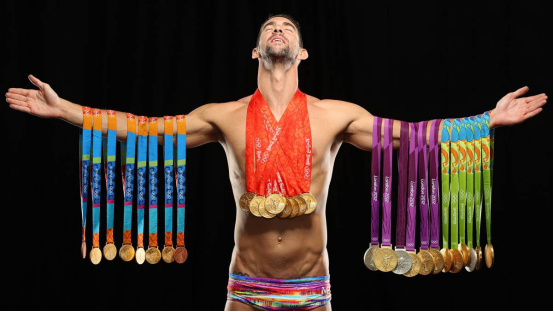
The Unparalleled Legacy of Michael Phelps in Olympic Swimming
Michael Phelps stands as an undisputed titan in the annals of sports history, a name synonymous with Olympic glory and unparalleled aquatic dominance. Hailing from Baltimore, Maryland, Phelps redefined what was achievable in competitive swimming, accumulating a staggering 28 Olympic medals, 23 of which are gold – a record that places him far ahead of any other Olympian across all sports. This comprehensive guide delves into the intricate tapestry of his career, exploring not just the “what” of his achievements, but the “why” behind his extraordinary success, the methodologies that propelled him to greatness, and the lasting impact he has imprinted on the sport of swimming and the broader world of athletics. His journey from a hyperactive child seeking an outlet to the most decorated Olympian ever is a testament to dedication, mental fortitude, and a relentless pursuit of perfection.
Understanding Phelps’s “empire” requires more than just listing medals; it demands an exploration of his revolutionary training philosophies, his physiological advantages, his psychological resilience, and his ability to consistently perform under immense pressure. This pillar page aims to provide an ultimate resource for anyone seeking to comprehend the depth of his legacy, offering insights into the strategies that made him a legend and the lessons that aspiring athletes can glean from his remarkable career.

Early Life, Formative Years, and the Road to Olympic Debut
Michael Fred Phelps was born on June 30, 1985, and his early life in Towson, Maryland, was marked by boundless energy and a diagnosis of ADHD. Swimming, initially introduced by his sisters, served as a crucial outlet for this energy. He began swimming at the age of seven and by ten, he held a national record for his age group. This early display of talent quickly caught the eye of coach Bob Bowman, who would become the most influential figure in Phelps’s career. Bowman recognized not just raw talent, but an innate competitive fire and an extraordinary work ethic.
The relationship between Phelps and Bowman was foundational. Bowman implemented a rigorous training regimen designed to maximize Phelps’s unique physiological attributes – including an unusually long torso, short legs, large feet (acting like flippers), and an impressive arm span. This early specialization and intense focus on technique and endurance laid the groundwork for his future dominance. Phelps made his first Olympic appearance at the Sydney Games in 2000, at just 15 years old, becoming the youngest male swimmer to compete for the U.S. in 68 years. While he didn’t medal, finishing fifth in the 200m butterfly, the experience was invaluable, igniting his ambition and setting the stage for an unprecedented career.
The Genesis of a Champion: Key Milestones
- 1992: Began swimming at age seven.
- 1996: Started training under Bob Bowman at the North Baltimore Aquatic Club.
- 1999: Broke his first national age-group record.
- 2000: Qualified for the Sydney Olympics, becoming the youngest male U.S. Olympic swimmer since 1932.
- 2001: Became the youngest male swimmer to break a world record (200m butterfly) at 15 years and 9 months, setting the tone for his future.

The Golden Eras: Dominance Across Multiple Olympic Games
Phelps’s Olympic career is a saga of sustained excellence, marked by a series of record-breaking performances that captivated the world. Each Olympic cycle brought new challenges and new triumphs, solidifying his status as the greatest swimmer of all time.
Athens 2004: The Arrival of a Superstar
At the Athens Games, Phelps, then 19, arrived with immense expectations. He delivered spectacularly, winning 8 medals (6 gold, 2 bronze), equaling the record for most medals at a single Olympics set by Soviet gymnast Alexander Dityatin in 1980. His victories included the 100m and 200m butterfly, 200m and 400m individual medley, and two relay golds. This performance announced his arrival on the global stage as a force to be reckoned with. The 400m individual medley, in particular, showcased his versatility and endurance.
Beijing 2008: The Perfect Eight
The Beijing Olympics cemented Phelps’s legendary status. He pursued and achieved the seemingly impossible: breaking Mark Spitz’s 1972 record of seven gold medals at a single Games. Phelps won all eight of his events, setting seven world records and one Olympic record in the process. This monumental feat required meticulous planning, flawless execution, and incredible mental fortitude, particularly in the dramatic 100m butterfly where he won by merely one-hundredth of a second. The pressure was immense, but Phelps thrived under it, showcasing peak physical and psychological conditioning.
London 2012: Sustaining Greatness
Despite initial challenges and a perceived dip in motivation, Phelps still delivered an impressive performance in London, securing 6 medals (4 gold, 2 silver). This made him the most decorated Olympian of all time, surpassing Larisa Latynina’s record of 18 career medals. His wins included the 100m butterfly, 200m individual medley, and two relay golds. London marked his initial “retirement,” but his passion for the sport was not yet fully extinguished.
Rio 2016: The Grand Finale and Enduring Impact
Phelps’s comeback for the Rio Games was unexpected but triumphant. He added another 6 medals (5 gold, 1 silver) to his tally, defying age and critics. This final Olympic appearance was a testament to his enduring competitive spirit and ability to perform at the highest level. His final race, the 4x100m medley relay, saw him anchor the U.S. to gold, a fitting farewell for the greatest swimmer ever. Rio solidified his legacy as not just a champion, but an inspiration for resilience and redemption.

Revolutionary Training Regimen and Mental Fortitude
Phelps’s success was not merely a product of talent; it was forged through an almost incomprehensible training regimen and an unparalleled mental approach. Coach Bob Bowman’s philosophy emphasized consistency, high-volume training, and meticulous attention to detail.
The “Phelps Diet” and Physical Conditioning
During his peak, Phelps was famously consuming up to 12,000 calories a day to fuel his intense training, which often involved swimming 80,000 meters (about 50 miles) a week. This caloric intake was necessary to support his immense energy expenditure. His training included:
- High-Volume Pool Work: Multiple daily sessions focusing on endurance, speed, and technique across all strokes.
- Strength and Conditioning: Extensive dry-land training, including weightlifting, core exercises, and flexibility routines, to build power and prevent injury.
- Altitude Training: Incorporating stints at high altitudes to enhance red blood cell count and improve oxygen delivery to muscles.
- Recovery Protocols: Emphasizing proper nutrition, hydration, massage, and sleep to facilitate muscle repair and prevent burnout.
The Power of the Mind: Visualization and Focus
Beyond the physical, Phelps’s mental game was legendary. He famously practiced visualization techniques, mentally rehearsing races from start to finish, including potential challenges like goggle malfunctions. This mental preparation allowed him to remain calm and focused under immense pressure. Bowman also instilled a strict routine and discipline, ensuring Phelps was always prepared for any scenario. His ability to “flip the switch” and enter a hyper-focused state before a race was a key differentiator.

Signature Strokes and Technical Mastery: The Butterfly Effect
While Phelps was an exceptional all-around swimmer, excelling in freestyle, backstroke, and breaststroke as part of his individual medley prowess, his mastery of the butterfly stroke was particularly iconic. His technique was a blend of brute strength, precise timing, and an understanding of hydrodynamics.
Dissecting the Phelps Butterfly Stroke
Phelps’s butterfly was characterized by:
- Powerful Dolphin Kick: A strong, undulating kick originating from the core, providing immense propulsion. He could maintain this powerful kick for extended periods, especially underwater.
- High Elbow Catch: His ability to maintain a high elbow position during the pull phase allowed him to “catch” more water and generate maximum thrust.
- Efficient Breathing: He minimized drag by breathing every second or third stroke, keeping his head low and in line with his body.
- Underwater Work: Phelps was renowned for his extended underwater dolphin kicks off the walls, often covering significant distances before breaking the surface, utilizing the least resistive phase of the stroke.
The Individual Medley: Ultimate Versatility
His dominance in the 200m and 400m Individual Medley (IM) events underscored his versatility. The IM requires proficiency in all four strokes (butterfly, backstroke, breaststroke, freestyle), demanding a unique combination of speed, endurance, and seamless transitions. Phelps’s ability to switch gears and maintain high performance across diverse techniques set him apart from many specialists.

Challenges, Comebacks, and the Human Side of a Legend
Beyond the medals and records, Phelps’s journey was also marked by significant personal challenges and remarkable comebacks. These moments revealed the human behind the superhuman athlete, demonstrating resilience and growth.
Navigating Post-Olympic Depression and Personal Struggles
Following his historic Beijing performance and again after London, Phelps openly struggled with depression and mental health issues. The immense pressure, the sudden void after achieving monumental goals, and public scrutiny took a toll. These struggles led to periods of self-doubt, legal troubles, and a temporary departure from the sport. His candidness about these experiences later made him a powerful advocate for mental health awareness in sports.
The Road to Redemption: Rio 2016
His decision to return for the Rio 2016 Olympics was a testament to his enduring love for swimming and a desire for a more fulfilling end to his career. This comeback was not just about winning medals; it was about finding peace and purpose. He meticulously rebuilt his physical and mental strength, culminating in a triumphant return that saw him carry the U.S. flag at the opening ceremony and add five more gold medals to his unparalleled collection. This final chapter of his career resonated deeply with fans, showcasing a journey of redemption and personal growth.

Impact on Swimming, Philanthropy, and Global Sports
Michael Phelps’s influence extends far beyond the pool. He has profoundly impacted the sport of swimming, inspired countless individuals, and leveraged his platform for significant philanthropic endeavors.
Transforming the Sport of Swimming
Phelps brought unprecedented mainstream attention to swimming. His televised races became must-watch events, drawing in millions of new viewers and inspiring a generation of young swimmers. His dominance pushed the boundaries of human performance, forcing competitors and coaches to rethink training methodologies and athletic potential. He elevated the profile of swimming from a niche sport to a global spectacle.
The Michael Phelps Foundation
Established in 2008, The Michael Phelps Foundation is dedicated to promoting healthy, active lives, especially for children, and growing the sport of swimming. Through programs like “IM,” which teaches water safety, goal setting, and healthy living, the foundation has impacted thousands of lives globally. His advocacy for water safety, particularly in light of his own personal connection to the sport, is a significant part of his legacy.
Global Icon and Mental Health Advocate
As a global sports icon, Phelps’s voice carries immense weight. His openness about his struggles with mental health has been particularly impactful, helping to destigmatize mental illness in sports and society. He has encouraged athletes and individuals worldwide to seek help and speak openly about their challenges, proving that even the greatest champions face internal battles.
Pro Tips for Aspiring Athletes from the Phelps Playbook
Drawing lessons from Michael Phelps’s incredible career can provide invaluable guidance for aspiring athletes, regardless of their sport. His journey highlights several critical components of elite performance.
Expert Advice for Achieving Peak Performance
- Embrace the Process, Not Just the Outcome: Phelps and Bowman consistently emphasized the daily grind, the commitment to training, and the incremental improvements. Focus on mastering your craft every day, and the outcomes will follow.
- Master Your Mental Game: Visualization, goal setting, and developing a resilient mindset are as crucial as physical training. Learn to manage pressure, setbacks, and self-doubt.
- Prioritize Recovery: Adequate sleep, nutrition, and active recovery are non-negotiable. Your body needs time to adapt and rebuild from intense training.
- Build a Strong Support System: Phelps’s relationship with Bob Bowman was vital. Surround yourself with coaches, mentors, and teammates who challenge and support you.
- Understand Your “Why”: What truly motivates you? Phelps’s desire to be the best fueled his relentless pursuit. Connect with your intrinsic motivation to sustain effort through difficult times.
- Analyze and Adapt: Continuously review your performance, identify weaknesses, and adapt your training or technique. Even at the elite level, there’s always room for improvement.
Michael Phelps: Career Milestones & Key Records
This table summarizes some of the most significant milestones and records from Michael Phelps’s illustrious career, highlighting his unprecedented dominance.
| Milestone/Record | Description |
|---|---|
| Most Olympic Gold Medals | 23 Gold Medals (Total 28 Medals) |
| Most Gold Medals in a Single Olympics | 8 Gold Medals (Beijing 2008) |
| Most Olympic Medals by a Male Athlete | 28 Medals (Across 5 Olympic Games) |
| First Swimmer to Win 4 Consecutive Golds in the Same Event | 200m Individual Medley (2004, 2008, 2012, 2016) |
| Youngest Male World Record Holder | 15 years, 9 months (200m Butterfly, 2001) |
| Most World Championship Golds | 26 Gold Medals (Total 33 Medals) |
| Flag Bearer for Team USA | Rio 2016 Olympic Games |
Frequently Asked Questions (FAQ)
- What made Michael Phelps so dominant in swimming?
- Michael Phelps’s dominance stemmed from a unique combination of physiological advantages (long torso, short legs, large feet, immense arm span), an extraordinary work ethic, a revolutionary training regimen under coach Bob Bowman, and an unparalleled mental fortitude including advanced visualization techniques. His ability to perform consistently under pressure and his versatility across multiple strokes, especially the individual medley, set him apart.
- How many Olympic medals did Michael Phelps win in total?
- Michael Phelps won a total of 28 Olympic medals throughout his career, making him the most decorated Olympian of all time. Of these, 23 were gold medals, 3 were silver, and 2 were bronze.
- What was Michael Phelps’s most iconic Olympic performance?
- While all his Olympic performances were remarkable, his most iconic is widely considered to be the Beijing 2008 Games, where he won an unprecedented 8 gold medals, breaking Mark Spitz’s long-standing record of 7 golds at a single Olympics. This included a dramatic one-hundredth of a second victory in the 100m butterfly.
- Did Michael Phelps face any significant challenges during his career?
- Yes, despite his athletic success, Phelps openly struggled with mental health issues, including depression, particularly after the 2008 and 2012 Olympics. He also faced personal challenges and legal troubles. His candidness about these struggles and his successful comeback for the Rio 2016 Games made him a significant advocate for mental health awareness.
- What is The Michael Phelps Foundation?
- The Michael Phelps Foundation, established in 2008, is dedicated to promoting healthy, active lives, especially for children, and growing the sport of swimming. It focuses on water safety, goal setting, and healthy living through programs like “IM,” aiming to inspire the next generation to embrace an active lifestyle and learn essential life skills through swimming.
Related Posts
The Legacy of Olympic Boxing: From Cassius Clay to Global Icons
An in-depth exploration of how the Olympic Games served as the crucible for the world’s greatest boxing legends, tracing the…
The Ultimate Guide to Women’s Soccer Pioneers: Team USA’s Olympic Journey and Legacy
Delve into the inspiring saga of women's soccer pioneers, tracing the remarkable journey of Team USA from its nascent beginnings…
Olympic Gymnastics Legends: The Enduring Legacies of Chen Yibing & Natalia Zhukova
Delve into the inspiring careers of two titans of Olympic gymnastics, Chen Yibing and Natalia Zhukova. This comprehensive guide explores…