The Rise of a Tennis Icon
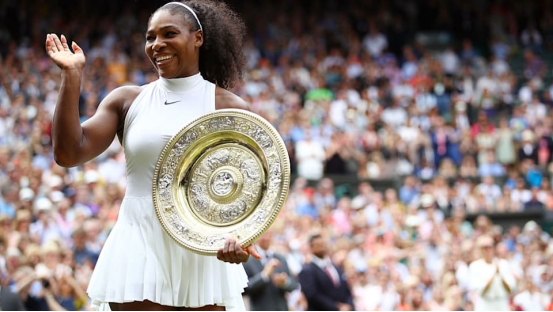
Serena Williams is not merely a tennis player; she is a global phenomenon who redefined the sport of women’s tennis through raw power, mental fortitude, and unparalleled athleticism. From her humble beginnings on the public courts of Compton, California, to the hallowed grass of Wimbledon, her journey represents the pinnacle of sporting excellence.
Early Beginnings and the Power of Discipline
Under the rigorous coaching of her father, Richard Williams, Serena and her sister Venus developed a brand of tennis that emphasized aggressive baseline play and a devastating serve. This foundational period established the technical discipline that would sustain her career for over two decades.

Dominating the Grand Slam Stage
Serena’s record of 23 Grand Slam singles titles remains the gold standard of the Open Era. Her ability to perform under extreme pressure, often coming back from near-defeat, has solidified her reputation as the greatest clutch player in tennis history.
Key Pillars of Her Grand Slam Success
- The Serve: Widely considered the greatest serve in women’s tennis history, characterized by precision and speed.
- Mental Toughness: An uncanny ability to reset after losing points and maintain focus during high-stakes championship moments.
- Tactical Versatility: The ability to adapt her game to all surfaces, including Clay, Hard Court, and Grass.

Olympic Glory and National Pride
Beyond the professional tour, Serena Williams elevated her status by consistently representing the United States on the Olympic stage. Her gold medal count in both singles and doubles serves as a testament to her commitment to global competition.
| Event | Achievement | Year |
|---|---|---|
| Sydney | Doubles Gold | 2000 |
| Beijing | Doubles Gold | 2008 |
| London | Singles & Doubles Gold | 2012 |

Legacy and Future Impact
Serena’s impact transcends statistics. She has been a fierce advocate for equality, maternal health, and representation in sports. Her legacy is a blueprint for future generations of athletes who seek to balance peak performance with cultural influence.
Expert Advice: Training Like a Champion
To emulate the success of Serena Williams, athletes should focus on:
1. Explosive conditioning to support baseline movement.
2. Developing a “short memory” to move past unforced errors.
3. Constant evolution of technique to counter younger, faster opponents.
Frequently Asked Questions (FAQ)
- How many Olympic Gold Medals does Serena Williams have?
- Serena Williams holds four Olympic Gold Medals: one in singles (2012) and three in women’s doubles (2000, 2008, 2012), all partnered with her sister Venus.
- What makes Serena’s serve so effective?
- Her serve is defined by a high ball toss, incredible shoulder rotation, and a unique snap at the point of contact, which generates immense pace and unpredictable placement.
- How did Serena change the landscape of women’s tennis?
- She introduced a level of power and athleticism that forced the entire tour to evolve, moving the game away from pure finesse toward a more physical, aggressive style of play.
- What is Serena’s most significant contribution off the court?
- Her advocacy for maternal health care and her commitment to creating opportunities for underrepresented groups in business and sports are widely considered her most lasting off-court contributions.