Musical theater is a uniquely powerful art form, a dynamic fusion of storytelling, music, dance, and spectacle that can evoke the deepest human emotions. From the raucous energy of early variety shows to the profound, emotionally resonant epics that fill modern stages, the journey of the musical is a reflection of our own cultural and social evolution. This guide explores the rich history of musical theater, tracing its origins, celebrating its golden era, and examining how masterpieces like Les Misérables have cemented its place as a globally significant cultural force. We will unpack the key milestones, influential creators, and artistic innovations that allowed this genre to flourish and capture the hearts of millions worldwide.
The Dawn of Musical Theater: From Early Influences to the First Book Musical
The roots of musical theater are deep and varied, drawing from a rich tapestry of performance traditions that predate what we now recognize as a Broadway show. The genre did not appear overnight but evolved by borrowing and blending elements from several popular forms of entertainment of the 18th and 19th centuries. Understanding these origins is key to appreciating the complexity and artistry of the modern musical.
The European Precursors: Operetta and Music Halls
Before the rise of American musical comedy, European operetta laid much of the groundwork. These light operas, popularized by composers like Jacques Offenbach in France and Gilbert and Sullivan in England, combined witty, often satirical, storylines with melodic, accessible music. Unlike grand opera, operetta featured spoken dialogue, making it more approachable for a general audience. It established the fundamental structure of alternating between scenes of dialogue and musical numbers to advance the plot and develop characters.
American Vaudeville and Variety Shows
In the United States, vaudeville and minstrel shows were the dominant forms of popular entertainment. Vaudeville was a theatrical revue consisting of a series of separate, unrelated acts grouped together on a common bill. These shows featured a wide array of performers, including comedians, singers, dancers, magicians, and acrobats. While lacking a cohesive narrative, vaudeville was a crucial training ground for performers and perfected the art of the standalone “showstopper” number designed to captivate an audience.
The Birth of the “Book Musical”
The pivotal moment in the evolution of the musical was the integration of a cohesive story, or “book,” with song and dance. While many productions had experimented with this, the 1927 masterpiece Show Boat, with music by Jerome Kern and lyrics by Oscar Hammerstein II, is widely considered the first true American “book musical.” It was revolutionary for its time, weaving its songs directly into the narrative to explore serious themes like racial prejudice and tragic love. For the first time, the songs were not just entertaining diversions; they were essential to the plot and the emotional journey of the characters.

The Golden Age: Shaping the Modern Musical Narrative
The period from the 1940s to the 1960s is known as the Golden Age of Musical Theater, an era of unprecedented creativity and commercial success that solidified the genre’s cultural dominance. This period was defined by the work of legendary creators who refined the art of storytelling through music and established the conventions that still influence Broadway today.
The Rodgers and Hammerstein Revolution
No partnership was more influential during the Golden Age than that of composer Richard Rodgers and lyricist Oscar Hammerstein II. Beginning with Oklahoma! (1943), they perfected the integrated musical, where every element—song, dialogue, and dance—served the story. Oklahoma! was groundbreaking for its use of dance (choreographed by Agnes de Mille) not as mere spectacle, but as a tool for psychological exploration, as seen in its famous “dream ballet.” Their subsequent hits, including Carousel, South Pacific, The King and I, and The Sound of Music, tackled complex social issues and featured emotionally sophisticated characters, elevating the musical from light entertainment to a serious dramatic art form.
Key Characteristics of the Golden Age
Musicals from this era shared several defining characteristics that distinguished them from their predecessors. These elements created a formula for success that would be emulated for decades.
- Story-Driven Songs: Musical numbers were no longer interchangeable. They revealed character, advanced the plot, or established the mood of a scene. The “I Want” song, where the protagonist expresses their central desire, became a staple.
- Optimistic and Aspirational Themes: Many Golden Age musicals reflected the post-World War II American spirit of optimism, often celebrating community, love, and the triumph of the human spirit over adversity.
- The Rise of the Choreographer-Director: Visionaries like Jerome Robbins and Bob Fosse began to shape the overall artistic vision of productions, using dance as a primary storytelling language. Fosse, in particular, developed a signature style—cynical, sensual, and sharp—that would define musicals like Chicago and Cabaret.

Case Study in Greatness: The Enduring Power of Les Misérables
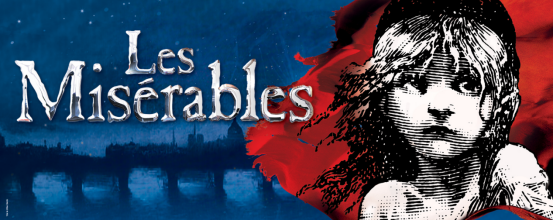
If the Golden Age established the rules of musical theater, the “mega-musicals” of the late 20th century showed how those rules could be expanded to create epic, globally resonant experiences. Perhaps no musical better exemplifies this than Les Misérables. Based on Victor Hugo’s monumental 1862 novel, this production, with music by Claude-Michel Schönberg and lyrics by Alain Boublil and Herbert Kretzmer, is a masterclass in emotional storytelling on a grand scale.
From Victor Hugo’s Novel to the Stage
Adapting a 1,200-page novel covering decades of French history was a monumental undertaking. The musical succeeds by focusing on the central human drama: the relentless pursuit of the paroled convict Jean Valjean by the zealous police inspector Javert. This personal conflict is set against the turbulent backdrop of 19th-century France, encompassing poverty, social injustice, and the failed 1832 June Rebellion in Paris. The historical context is not just scenery; it is the crucible that forges and tests the characters’ moral convictions, making their personal struggles feel universal and timeless.
The Revolutionary Score: Music as Narrative
Les Misérables is a “sung-through” musical, meaning there is very little spoken dialogue. The music does all the narrative work. The score is built around powerful, recurring musical themes (leitmotifs) that represent characters, ideas, or emotions. For instance, Javert’s rigid, unwavering theme contrasts sharply with Valjean’s more melodic and evolving motifs, musically charting his journey from despair to grace. Iconic songs serve as dramatic pillars:
- “I Dreamed a Dream”: Fantine’s heartbreaking ballad of lost innocence and shattered hopes, a raw expression of despair.
- “One Day More”: A brilliant ensemble number where each main character’s anxieties and aspirations for the coming day are woven into a complex, soaring anthem.
- “Do You Hear the People Sing?”: The revolutionary anthem of the students, a powerful cry for freedom and justice that has been adopted by protest movements worldwide.
Themes of Justice, Love, and Redemption
At its core, the enduring appeal of Les Misérables lies in its profound exploration of universal human themes. The story grapples with fundamental questions of morality and humanity. It contrasts Javert’s rigid, letter-of-the-law definition of justice with Valjean’s journey toward a higher, more compassionate morality. It is a story about the transformative power of love, the necessity of sacrifice, and the possibility of redemption. The characters—from the selfless Éponine to the tragic Fantine—embody different facets of the human condition, allowing audiences from any culture or generation to find a piece of themselves in the story.

The Modern Era and the Global Musical Phenomenon
The success of shows like Les Misérables, alongside other British imports like Cats and The Phantom of the Opera, ushered in the era of the “mega-musical” in the 1980s. These productions were characterized by their grand scale, spectacular staging, and immense global marketing campaigns. They transformed Broadway and London’s West End into major tourist destinations and proved that a single musical could become a worldwide brand.
Diversification and Innovation
While the mega-musical dominated, the late 20th and early 21st centuries also saw incredible diversification in the genre. Stephen Sondheim continued to push artistic boundaries with intellectually challenging and musically complex works like Into the Woods and Assassins. The 1990s brought fresh voices, with shows like Jonathan Larson’s Rent tackling contemporary issues like the AIDS crisis with a rock-infused score. In the 21st century, musicals like Wicked re-imagined classic stories, while Lin-Manuel Miranda’s Hamilton revolutionized the genre by blending hip-hop, jazz, and R&B with American history, creating a cultural touchstone.
The Musical as a Global Language
Today, musical theater is a truly global art form. Major productions are translated and staged in dozens of countries, with local casts bringing their own cultural nuances to the material. The universal themes explored in great musicals—love, loss, rebellion, and hope—transcend language and borders. The success of a show like Les Misérables, which has been seen by over 130 million people in 53 countries and 22 languages, is a testament to the power of music and story to unite audiences and articulate shared human experiences.

The Cultural Impact and Lasting Legacy of Musicals
The influence of musical theater extends far beyond the stage. Its songs become part of the popular lexicon, its stories shape our cultural conversations, and its performances inspire future generations of artists. The legacy of the musical is one of constant evolution, reflecting the society that creates it while also pushing its boundaries.
Musicals as Social Commentary
From Show Boat‘s critique of racism to Rent‘s plea for compassion during the AIDS epidemic, musicals have often served as powerful vehicles for social commentary. By packaging challenging ideas within an accessible and entertaining format, they can introduce complex topics to a broad audience. The anthem “Do You Hear the People Sing?” from Les Misérables has become a real-world protest song, demonstrating how a fictional call for justice can inspire actual social movements. This ability to both entertain and provoke thought is one of the genre’s most important contributions.
Economic and Cultural Influence
Broadway in New York and the West End in London are not just artistic hubs; they are massive economic engines. The musical theater industry supports thousands of jobs, from performers and musicians to designers and stagehands, and drives significant tourism revenue. Furthermore, successful musicals often spawn film adaptations, cast recordings, and merchandise, embedding themselves deeply within popular culture and ensuring their longevity for decades.
The journey from the simple variety acts of vaudeville to the sweeping epics of today is a testament to the adaptability and enduring appeal of musical theater. It is an art form that has continually reinvented itself, embracing new musical styles and new storytelling techniques to remain relevant and resonant. By combining the emotional directness of music with the narrative depth of theater, the musical offers a unique window into the human soul, a legacy that will undoubtedly continue to captivate audiences for generations to come.
Frequently Asked Questions (FAQ)
- What is considered the first modern musical?
- While the genre evolved from many sources, Show Boat (1927) by Jerome Kern and Oscar Hammerstein II is widely regarded as the first true modern “book musical.” It was revolutionary for fully integrating its songs and dances into a serious, cohesive narrative that dealt with complex social themes like racism and marital hardship.
- What defines the “Golden Age” of musical theater?
- The Golden Age, roughly spanning from the 1940s to the 1960s, was an era of peak creativity and popularity for the American musical. It was defined by the work of creators like Rodgers and Hammerstein, who perfected the integrated musical where every element serves the story. These shows often featured optimistic themes, sophisticated characters, and groundbreaking choreography that advanced the plot.
- Why is Les Misérables so popular worldwide?
- Les Misérables‘ global success stems from its powerful, sung-through score and its exploration of universal themes that resonate across cultures: justice, mercy, love, sacrifice, and redemption. Its epic story, set against a backdrop of social upheaval, provides a deeply emotional and human experience that transcends language barriers, allowing it to connect with audiences everywhere.
- How did Rodgers and Hammerstein change musical theater?
- The partnership of Richard Rodgers and Oscar Hammerstein II revolutionized the art form by making the story paramount. Before them, songs in musicals were often entertaining but disconnected from the plot. Starting with Oklahoma!, they ensured that every song and dance number advanced the plot or developed a character, transforming musical comedy into a more serious and cohesive dramatic art form.
- What is a “sung-through” musical?
- A “sung-through” musical is a production where the story is told almost entirely through song, with very little or no spoken dialogue. This style is closer to opera but uses the musical language of contemporary theater. Famous examples include Les Misérables, The Phantom of the Opera, and Evita. This format relies heavily on musical motifs and reprises to carry the narrative forward.